




Grater OEM Yangjiang: Practical Sourcing Guide for Kitchenware Buyers
Yangjiang is widely known as a kitchenware sourcing location, and many importers, brand owners, distributors, and retailers look there when developing grater and slicer products. For buyers searching for Grater OEM Yangjiang, the goal is usually not just to find a low-cost item. The real objective is to identify a supplier that can support stable quality, suitable customization, practical packaging, and clear communication before production begins.
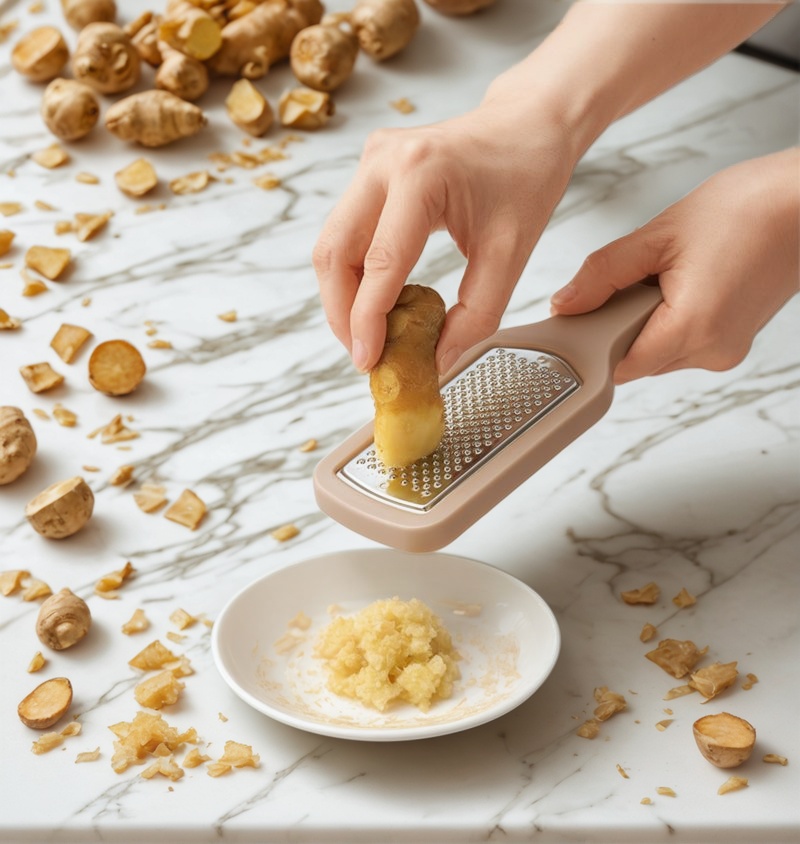
The original article highlighted several useful product directions: ginger graters with ergonomic grips, vegetable slicers, multifunctional food graters, stainless steel grating surfaces, lightweight construction, and easy-clean designs. This revised guide expands that idea into a sourcing checklist for B2B buyers who need to evaluate a Yangjiang grater manufacturer with less guesswork.
Key Takeaways
- Yangjiang is a relevant sourcing area for kitchenware, including graters, slicers, and OEM kitchen utensils.
- Buyers should define the grating task first: ginger, garlic, firm vegetables, cheese, citrus zest, or general food preparation.
- Do not rely only on appearance; confirm blade sharpness, handle comfort, cleaning method, packaging, and sample consistency.
- Ask suppliers direct questions about customization, materials, inspection process, lead time, and order requirements instead of assuming details.
- A clear specification sheet helps prevent misunderstandings between buyer, supplier, factory, packaging vendor, and freight partner.
Why Buyers Source Graters from Yangjiang
Yangjiang has a strong association with kitchen tools, which makes it a natural search term for buyers looking for grater OEM projects. A buyer may be developing a private-label hand grater, a compact ginger grater, a handheld vegetable slicer, or a small range of coordinated kitchen preparation tools. Because graters are relatively simple products from the consumer's point of view, it is easy to underestimate the number of details that affect user satisfaction.
For example, a grater that looks attractive in a catalog may still create problems if the handle is uncomfortable, the grating surface clogs quickly, the blade pattern is too aggressive for the intended food, or the packaging does not protect the product during transit. A professional sourcing process should therefore compare both product design and supplier reliability.
Define the Product Before Requesting Quotes
Before asking a Yangjiang grater manufacturer for pricing, buyers should prepare a practical product brief. This does not need to be complicated, but it should describe how the product will be used, where it will be sold, and what the customer expects. A grater for fresh ginger and garlic has different requirements from a vegetable slicer for firm vegetables. A compact tool for home kitchens may prioritize storage and cleaning, while a retail gift set may need stronger packaging presentation.
Useful points to include in a request for quotation include:
- Product type: ginger grater, hand grater, vegetable slicer, multifunctional food grater, or set.
- Target use: ginger, garlic, vegetables, cheese, citrus zest, or general kitchen preparation.
- Handle preference: ergonomic grip, slim handle, hanging hole, soft-touch feel, or simple rigid handle.
- Surface preference: stainless steel grating surface if required, blade pattern, hole size, and expected cutting result.
- Branding needs: logo placement, color direction, retail packaging, barcode, instruction insert, or carton marking.
- Commercial questions: MOQ, sample cost, tooling needs, lead time, payment terms, inspection method, and shipping support.
Compare Common Grater and Slicer Options
A clear comparison helps buyers avoid choosing a product only because it looks good in photos. The table below summarizes typical grater and slicer directions and the questions a buyer should ask before committing to an OEM project.
| Product option | Best use case | Buyer questions to ask |
|---|---|---|
| Ginger grater | Fresh ginger, garlic, small aromatics | Does the surface create a fine grate? Is the grip stable when wet? |
| Hand grater | Everyday kitchen preparation | Is the handle comfortable? Is there a safe storage or hanging option? |
| Vegetable slicer | Firm vegetables and quick prep tasks | How uniform are the slices? What safety guidance is included? |
| Multifunctional food grater | Retail ranges needing broader appeal | Are all functions useful, or does complexity reduce cleaning convenience? |
| Coordinated utensil set | Private label kitchenware collections | Can color, packaging, and quality be kept consistent across items? |
Customization: What OEM Buyers Should Clarify
OEM kitchen utensils can often be customized, but every supplier has different capabilities and limits. Buyers should avoid assuming that a factory can change every detail without cost or tooling. Instead, ask for a written explanation of what can be customized from existing models and what requires new development.
Common customization topics include handle color, grip shape, logo method, packaging design, carton labeling, product set configuration, and instruction materials. If the original product uses refined pastel shades or a minimalist style, confirm whether those color targets can be matched consistently and whether samples will be reviewed under the same lighting conditions used by your quality team.
For branding, ask where the logo can be placed without affecting comfort or cleaning. For packaging, confirm whether the supplier can provide dielines, print files, packing method photos, and carton details. If your market has labeling requirements, provide them to the supplier early and ask what information they need from you. Do not assume the supplier is responsible for legal review unless that service is clearly agreed.
Quality Checks Before Wholesale Orders
Graters and slicers should be evaluated through use, not just appearance. A sample review should include real food testing where practical: ginger, garlic, firm vegetables, or other foods relevant to the target product. Check whether the blade surface cuts efficiently, whether food residue is difficult to remove, and whether the handle remains comfortable during repeated use.
Buyers should also inspect edges, joints, surface finish, grip stability, and packaging protection. If the product has a stainless steel surface, ask the supplier to identify the material used and provide supporting documentation if required for your market. If you need compliance testing, food-contact review, or documentation, ask the supplier what they can provide and what must be arranged by the buyer through a third-party service.
For larger orders, consider a pre-shipment inspection plan. Define acceptable quality criteria in advance: appearance defects, sharpness concerns, handle alignment, packaging damage, incorrect labels, color variation, and carton marking errors. Written criteria are more useful than general instructions such as “good quality.”
Supplier Evaluation Questions for Yangjiang Grater OEM
A reliable Yangjiang grater manufacturer should be able to answer practical questions clearly. The purpose is not to interrogate the supplier, but to reduce risk before money, time, and packaging design work are committed.
- Which grater and slicer models are existing products, and which require new tooling?
- What customization options are available for handle, color, logo, and packaging?
- What materials are used for the grating surface and handle?
- Can samples be provided from current production, and how do they compare with mass production?
- What are the MOQ, sample timeline, production lead time, and payment terms?
- What inspection steps are used before goods are packed?
- Can the supplier support retail packaging files, carton marks, and product instructions?
- What documents or test reports are available, and are they current for the target market?
Packaging, Cleaning Guidance, and End-User Experience
Even when sourcing is B2B, the final user experience matters. A grater that is easy to understand, easy to clean, and safe to store is more likely to earn repeat purchases and fewer customer complaints. Packaging should explain the intended use clearly and should not promise results that the product cannot deliver.
For consumer guidance, include practical cleaning instructions that match the actual product. If the product is dishwasher safe, confirm that claim with the supplier and testing expectations before printing it. If hand washing is recommended, state that clearly. For sharp slicer products, include safe handling reminders and storage advice. These small details can reduce returns and help retailers present the product more confidently.
FAQ
Is Yangjiang a good place to source grater OEM products?
Yangjiang is known for kitchenware sourcing, including graters and related utensils. Buyers should still evaluate each supplier individually through samples, specifications, communication, and inspection planning.
What should I ask before ordering a custom grater?
Ask about materials, available models, tooling needs, logo options, color matching, MOQ, sample timing, production lead time, packaging, inspection process, and documents needed for your market.
Can I customize a ginger grater or vegetable slicer?
Customization may be possible for color, handle design, branding, packaging, or set configuration, depending on the supplier and whether you use an existing model or develop a new one.
How do I check grater quality before mass production?
Review samples with real food use, inspect handle comfort and surface finish, test cleaning convenience, confirm packaging protection, and agree on written quality standards before production.
Should I request certifications from a supplier?
If your market requires food-contact documents, testing, or compliance evidence, ask the supplier what they can provide and confirm whether independent testing is needed. Do not rely on assumptions.
Final Sourcing Advice
Sourcing a grater OEM product from Yangjiang works best when buyers treat the project as a specification-driven process. Start with the intended use, compare product types, test samples carefully, and ask direct commercial and quality questions. A clear brief helps the supplier understand your needs and helps your team compare quotes fairly. The strongest result is not simply a good-looking grater, but a product that performs consistently, is packaged correctly, and meets the expectations of your retail or wholesale customers.
