




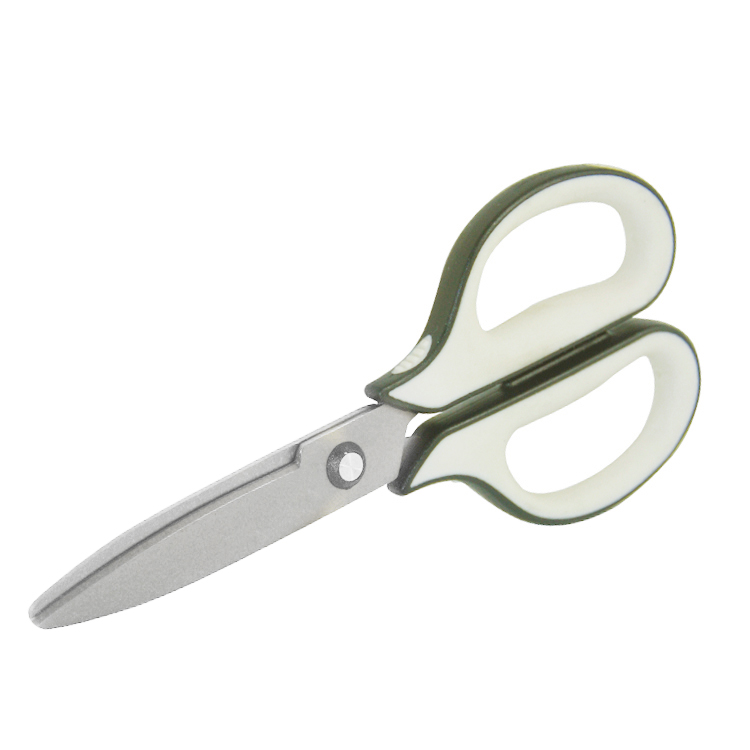
High-Quality Office Scissors: Precision & Design
Office scissors look simple, but the right pair can make everyday cutting faster, cleaner and less tiring. Whether they are used at a reception desk, in a classroom, in a home office or for light crafting, scissors should cut paper smoothly, feel stable in the hand and remain comfortable during repeated use. The original Bonet Houseware article highlights key qualities such as durable construction, ergonomic design, sharp stainless steel blades, comfortable handles, a sleek two-tone look and a robust pivot mechanism. This updated guide explains how to evaluate those features in a practical way before choosing scissors for routine work.
Key Takeaways
- High-quality office scissors should balance blade sharpness, handle comfort and reliable pivot action.
- Stainless steel blades are useful for regular paper and office cutting tasks, but buyers should still ask how the blades are finished and maintained.
- Designer office scissors can improve desk presentation, but comfort and control matter more than appearance alone.
- For shared workplaces, choose scissors that are easy to identify, easy to clean and suitable for repeated daily handling.
What Makes Office Scissors “High Quality”?
Quality in office scissors is not only about how sharp the blades feel on the first day. A dependable pair should open and close smoothly, keep the two blades aligned and cut without tearing or folding the material. For most offices, the common tasks include opening envelopes, trimming documents, cutting labels, preparing presentations, cutting wrapping paper and handling light craft materials. Scissors that struggle with basic paper quickly become frustrating in a busy workspace.
Look for three core signs of quality. First, the blades should meet evenly from base to tip. Second, the handles should allow a secure grip without sharp pressure points. Third, the pivot should feel controlled rather than loose or stiff. The original article notes a robust pivot mechanism, which is important because the pivot affects both cutting accuracy and hand fatigue. If the screw or rivet area feels unstable, even sharp blades can perform poorly.
Blade Material and Cutting Performance
The source article specifically mentions sharp stainless steel blades. Stainless steel is widely used for office scissors because it resists everyday corrosion better than many untreated metals and is suitable for common desk environments. However, not all stainless steel scissors perform the same. Blade thickness, edge finishing, alignment and pivot tension all affect the final cutting experience.
For typical office use, test scissors on copy paper, cardstock and thin packaging material if possible. A clean cut should start near the handle and continue to the tip without snagging. If the scissors are intended for fabric or craft use, keep expectations realistic: office scissors may handle light fabric trimming, but they are not always a substitute for dedicated fabric shears. To preserve cutting quality, avoid using the same pair on adhesive tape, wire, hard plastic or other materials that can dull or contaminate the edge.
Handle Comfort and Ergonomic Design
Ergonomic design matters most when scissors are used repeatedly. Comfortable handles can reduce pressure on the fingers and help users maintain control during detailed cuts. The original article mentions comfortable handles and a lightweight build, both of which can make routine cutting easier. A good handle should not force the thumb or fingers into an awkward angle, and it should provide enough room for the intended users.
If scissors will be shared by multiple people, check whether the handle shape works for both large and small hands. The original article also states that these scissors are suitable for right-handed and left-handed individuals. For any product listing, buyers should verify this directly, because some scissors are truly ambidextrous while others only have symmetrical handles but blades optimized for right-handed cutting. In shared offices, an ambidextrous or clearly labeled option can prevent confusion.
Designer Office Scissors: Appearance With Purpose
Designer office scissors are often chosen for visible workspaces such as reception areas, studios, meeting rooms and retail counters. The previous article refers to a sleek two-tone color palette, including soft ivory and dark gray. This type of understated design can fit modern desks without looking overly decorative. Still, appearance should support function rather than replace it.
When evaluating designer scissors, check whether the finish helps grip, whether the handle remains comfortable after several minutes of use and whether the color makes the tool easy to locate. A light-colored handle may look clean on a desktop, while a darker accent may hide minor marks. For team environments, color can also help separate general office scissors from craft, kitchen or packaging tools.
Comparison Checklist for Selection
| Feature to Check | Why It Matters | Practical Buying Question |
|---|---|---|
| Stainless steel blades | Supports regular office cutting and everyday durability | What blade material and edge finish are listed by the supplier? |
| Pivot mechanism | Affects smoothness, accuracy and fatigue during repeated cuts | Does the pivot feel stable without wobbling or stiffness? |
| Handle shape | Determines comfort for different hand sizes | Can the handle be used comfortably for several minutes? |
| Ambidextrous suitability | Important for shared workplaces | Is the product truly suitable for right- and left-handed users? |
| Weight and balance | Influences control for detailed trimming | Does the tool feel balanced from handle to tip? |
| Design and color | Helps match workspace style and identify the tool | Will the color and finish remain practical in daily use? |
Best Uses in Office and Craft Settings
High-quality office scissors are best suited to controlled, everyday cutting. In an office, they can help with document preparation, paper trimming, mail opening, label cutting and presentation work. In a home setting, they are useful for school projects, gift wrapping and light crafts. The original article also mentions trimming papers or fabrics and cutting sturdy cardstocks. For best results, match the task to the tool and do not overload the scissors with materials they were not designed to cut.
- Use one pair for clean paper tasks to keep the blades free from adhesive residue.
- Keep a separate pair for packaging tape or labels if those tasks are frequent.
- Do not cut metal wire, hard plastic ties or abrasive materials with office scissors.
- Store scissors closed to protect the edge and reduce accidents.
Care and Maintenance Tips
Office scissors last longer when they are kept clean and dry. After cutting tape or sticky labels, wipe the blades with a soft cloth. If residue remains, use a suitable gentle cleaner and dry the blades fully afterward. Avoid soaking scissors unless the supplier specifically says the product can be washed that way. Moisture around the pivot can affect smooth movement over time.
If the scissors begin to feel rough, inspect the pivot area for paper dust or adhesive buildup. Do not force the blades if they become misaligned. For workplace use, it is also helpful to assign scissors to specific stations so they are not used for unsuitable materials. Simple habits often make a bigger difference than replacing scissors frequently.
Practical FAQ
Are stainless steel office scissors enough for daily office use?
Yes, stainless steel blades are a practical choice for common office tasks such as paper, envelopes and light cardstock. Cutting performance still depends on blade alignment, edge finish and pivot quality.
Can office scissors cut fabric?
Some office scissors can trim light fabric, as noted in the original article, but frequent fabric work is better handled with dedicated fabric scissors. Using one pair for both paper and fabric may dull the edge faster.
What should I check before buying scissors for a shared office?
Check handle comfort, left- and right-hand suitability, blade safety, easy cleaning and whether the design is easy to identify. Ask the supplier for exact product details if they are not listed.
How do I prevent scissors from becoming sticky?
Avoid using your main paper scissors on adhesive tape. If adhesive builds up, wipe the blades carefully and dry them before storage.
Do designer scissors perform differently from standard office scissors?
Not necessarily. A designer look can improve workspace presentation, but performance depends on blade quality, pivot stability and handle comfort. Evaluate the tool, not only the appearance.
Final Thoughts
High-quality office scissors should feel reliable every time they are picked up. The best choice combines sharp stainless steel blades, comfortable handling, stable pivot action and a design that suits the workspace. For Bonet Houseware readers comparing office, designer or professional scissors, the most useful approach is to focus on real tasks: what will be cut, how often the tool will be used and who will use it. A well-chosen pair can make routine cutting cleaner, safer and more comfortable without unnecessary complexity.
