





High-Quality Scissors OEM: Precision Meets Style
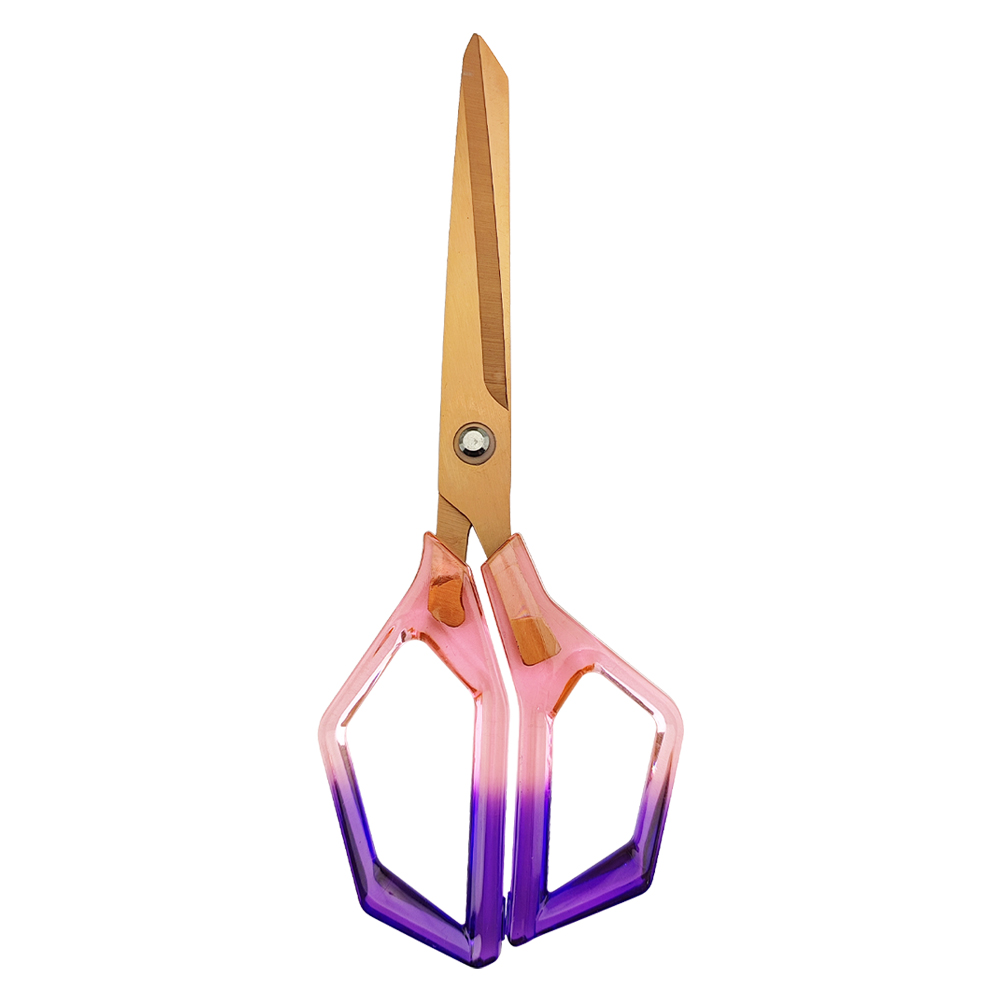
For distributors, stationery brands, corporate gift buyers, and office product wholesalers, sourcing scissors is not only about choosing a sharp blade. A successful high-quality scissors OEM project also depends on design consistency, user comfort, packaging fit, brand positioning, and clear communication with the supplier. The original product concept shown here features golden-hued stainless steel blades and vibrant yellow plastic handles, giving buyers a strong visual direction for office, craft, and promotional assortments.
This guide explains how to evaluate customizable office scissors for B2B purchasing without relying on vague claims. Instead of assuming a factory’s capacity, material grade, compliance status, or minimum order quantity, buyers should request written confirmation, samples, and test information before placing production orders.
Key Takeaways
- High-quality scissors OEM sourcing should begin with the intended user, sales channel, and cutting task.
- Golden-hued stainless steel blades and yellow plastic handles are explicit design features from the source product.
- Customization may involve size, color, handle shape, packaging, and branding, but each option should be confirmed with the supplier.
- Buyers should ask for samples, material details, packaging mockups, and quality inspection criteria before mass production.
- Eco-conscious positioning requires evidence; do not rely on general sustainability language without supplier documentation.
Understanding the Product and Search Intent
Buyers searching for high-quality scissors OEM usually want more than a standard catalog item. They may be comparing suppliers, planning a private-label office range, or developing a customized stationery product for retail, corporate procurement, or promotional channels. The main intent is practical: find a reliable sourcing path and avoid costly mistakes before production.
The product described in the original article is a pair of office scissors with golden-hued stainless steel blades and yellow plastic handles. The text also mentions ergonomic contouring, customizable sizes, colors, and materials. These facts can guide a sourcing brief, but buyers should still verify exact dimensions, blade thickness, handle material, coating method, carton details, and durability expectations directly with the supplier.
Design Features to Define Before Quotation
A clear specification sheet helps suppliers quote accurately and reduces misunderstandings. For office scissors, the most important design choices usually include blade appearance, handle color, handle comfort, size, packaging, and target use. If the product is intended for office paper cutting, the requirements may differ from craft, school, fabric, or promotional use.
The golden blade appearance can be useful for buyers who want a distinctive stationery line, while the yellow handle creates high shelf visibility. However, appearance should not replace usability. Ask whether the sample feels balanced in hand, whether the handle opening suits the intended user group, and whether the scissors cut smoothly through the materials your customers actually use.
- Define the main use case: office paper, craft work, light packaging, or general stationery.
- Confirm the blade finish, handle color, and branding placement before sampling.
- Request several samples if you are comparing size, grip, or packaging options.
- Check whether the supplier can support your preferred retail or wholesale packaging format.
OEM Customization Options to Discuss
Customizable office scissors can support brand differentiation, but customization should be treated as an engineering and production discussion, not only a visual exercise. When speaking with a supplier, ask which parts are truly customizable and which require new tooling, extended lead time, or higher order volume. Avoid assuming that every color, material, logo position, or package style is available under the same conditions.
| Decision Area | What to Compare | Questions to Ask the Supplier |
|---|---|---|
| Blade appearance | Golden-hued finish, edge consistency, cutting feel | How is the finish applied, and what care instructions are recommended? |
| Handle design | Yellow plastic handle, contour, grip comfort | Can handle color, shape, or logo placement be adjusted for OEM orders? |
| Size range | Desk, school, craft, or office sizes | Which sizes are existing molds, and which require new tooling? |
| Packaging | Bulk pack, carded pack, gift pack, retail display | Can the supplier provide dielines, samples, and carton measurements? |
| Quality checks | Cutting performance, visual defects, handle fit | What inspection standard will be used before shipment? |
How to Evaluate Samples Before Ordering
Samples are essential in scissors OEM projects because small differences in blade alignment, handle comfort, and finish can affect the user experience. A sample review should be structured. Do not rely only on photos or a single quick cut test. Instead, create a checklist that reflects your sales channel and customer expectations.
Start by checking the visual finish under normal lighting. Look at whether the golden-hued blades appear consistent from piece to piece and whether the yellow handles have visible marks, sharp edges, or molding defects. Then test cutting performance on the materials relevant to your market. For office buyers, this may include copy paper, envelopes, labels, and thin card. If the scissors are promoted for craft or fabric use, request suitable testing guidance and verify performance separately.
Also consider handling comfort. The original article mentions ergonomically contoured handles and reduced strain during prolonged use. Treat this as a design goal to evaluate through actual handling. Ask multiple users to test the sample if your target market includes different hand sizes or frequent daily use.
Sustainability and Compliance Questions
The original article refers to eco-friendly office scissors and sustainable practices, but responsible sourcing requires evidence. Buyers should avoid making environmental claims unless the supplier provides documentation that supports them. Terms such as recyclable, non-toxic, eco-friendly, or energy-efficient should be clarified in writing and reviewed according to the market where the product will be sold.
Useful supplier questions include: What materials are used in the handle and blade? Is any recycled content included? Are material declarations available? Are packaging materials plastic-free, recyclable, or certified? Which regulations apply in the destination market? Can the supplier provide test reports or compliance documents from recognized laboratories? The correct answer may vary by country and buyer type, so legal and compliance review should happen before label claims are printed.
Building a Clear OEM Brief
A strong OEM brief gives the supplier enough information to respond accurately. It should include product photos or drawings, target size, blade appearance, handle color, logo requirements, packaging needs, expected sales channel, inspection expectations, and destination market. If you do not know the exact specifications yet, state that you are requesting options rather than final production.
Commercial details should also be handled carefully. Instead of assuming minimum order quantity, price, production lead time, payment terms, or shipping schedule, ask the supplier to quote based on your preferred design and packaging. If several versions are possible, request a comparison so you can decide whether customization adds enough value for your buyers.
- Ask which features are standard and which require custom tooling.
- Request packaging artwork requirements before designing labels or cards.
- Confirm whether pre-production samples are available for approval.
- Agree on inspection criteria before shipment, not after defects appear.
- Keep written records of approved colors, finishes, and logo placement.
Practical FAQ
What makes scissors suitable for OEM sourcing?
Scissors are suitable for OEM sourcing when the supplier can discuss customization, sampling, packaging, quality checks, and repeatable production. Buyers should confirm these points directly rather than relying on general product descriptions.
Can the golden blade and yellow handle be customized?
The source product describes golden-hued stainless steel blades and yellow plastic handles, and it also mentions customizable sizes, colors, and materials. Buyers should ask the supplier which changes are available with existing molds and which require new development.
What should I test in office scissors samples?
Test cutting smoothness, blade alignment, handle comfort, visual finish, opening and closing action, packaging fit, and consistency across multiple pieces. Use the same materials your customers are likely to cut.
Can I market these as eco-friendly office scissors?
Only use environmental claims if the supplier provides supporting material information, packaging details, or relevant documentation for your target market. Generic sustainability wording can create compliance risk.
What information should I request before placing an order?
Ask for material details, available customization options, sample process, packaging specifications, quotation terms, expected lead time, inspection standards, and any compliance documents required for your market.
Conclusion
High-quality scissors OEM sourcing works best when design appeal and practical quality control are handled together. Golden-hued stainless steel blades and yellow plastic handles can create a distinctive product direction, but buyers should verify comfort, cutting performance, packaging, and documentation before committing to production. A careful brief, realistic sample testing, and clear supplier questions help turn a visually attractive office scissors concept into a dependable product for wholesale, retail, or private-label channels.
