





8-Inch Household Scissors Manufacturer: Practical Sourcing Guide
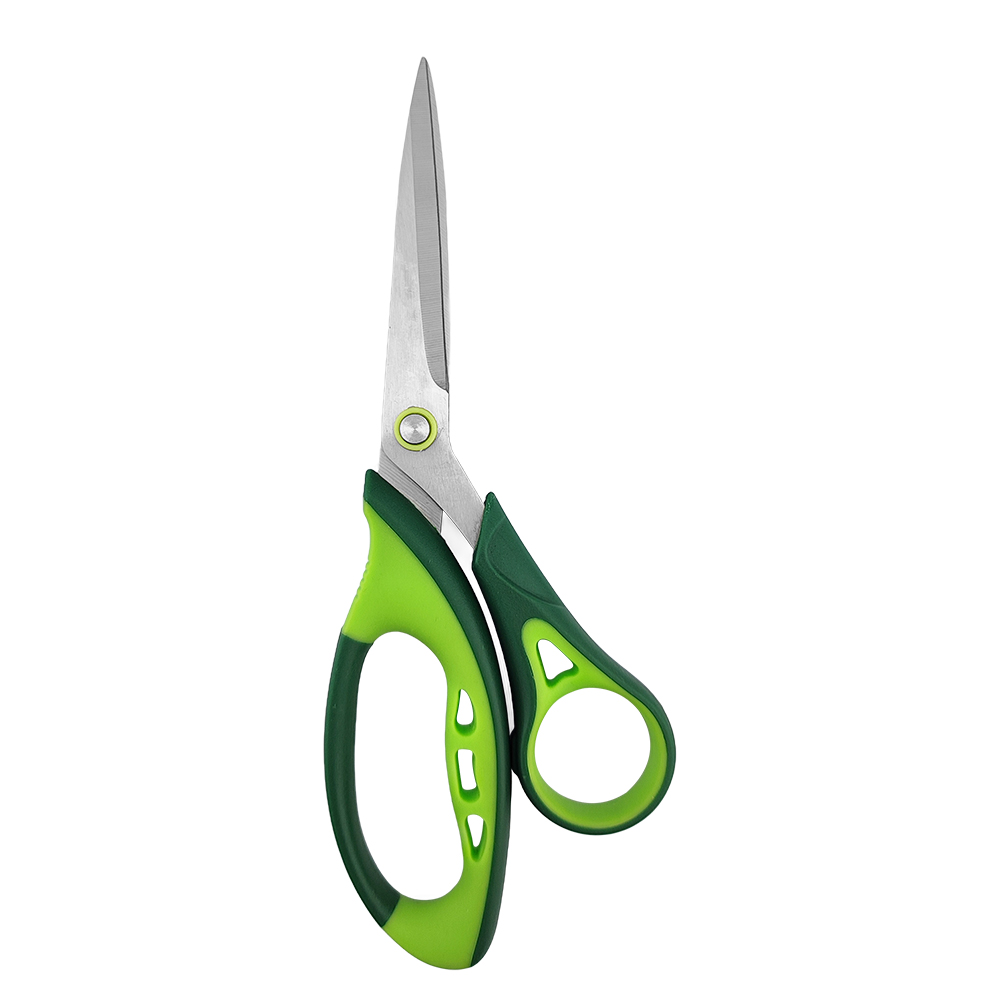
For importers, retailers, promotional product buyers, and private-label brands, an 8-inch household scissors program looks simple until the details are reviewed. A useful pair of scissors must cut cleanly, feel secure in the hand, suit a wide range of daily tasks, and arrive with packaging that matches the sales channel. The green multifunctional precision scissors shown here are positioned for home, office, craft, and general household use, with stainless steel blades and a dual-tone green soft-grip handle described in the original product information.
This guide explains how to evaluate an 8-inch household scissors manufacturer without relying on vague claims. It focuses on product selection, supplier questions, OEM considerations, and practical quality checks that buyers can use before confirming an order.
Key Takeaways
- Choose 8-inch household scissors based on the intended use: home, office, craft, light kitchen tasks, or mixed retail assortments.
- Confirm blade material, edge sharpness, handle comfort, packaging, and labeling requirements directly with the supplier.
- Do not assume compliance, certifications, capacity, MOQ, or testing results unless the manufacturer provides current documentation.
- Request pre-production samples and compare cutting performance on the actual materials your customers are likely to use.
What Makes 8-Inch Household Scissors a Common Sourcing Choice?
An 8-inch size is widely used because it balances control and reach. It is large enough for cutting paper, packaging, light fabric, labels, and craft materials, while still being manageable for household drawers, office desks, and retail blister packs. For buyers building a general-purpose scissors line, this size often serves as the core item before adding smaller craft scissors or larger tailor-style products.
The product described in the source article emphasizes multifunctional use. That matters for B2B sourcing because a versatile scissors design can support multiple sales channels: supermarket household aisles, stationery ranges, e-commerce multipacks, office supply catalogs, and private-label homeware collections. However, buyers should define the expected use clearly. A household scissors product is not automatically suitable for heavy industrial cutting, food-contact use, or specialized tailoring unless the supplier provides specifications and testing that support those claims.
Blade and Cutting Performance Checks
The original product description states that the scissors use stainless steel blades and are designed for clean, precise cutting. For procurement teams, that is a starting point, not the end of evaluation. Ask the manufacturer which stainless steel is used, how the blade is hardened, how the cutting edge is finished, and what in-house inspection steps are applied. If a supplier cannot provide technical details, samples become even more important.
During sample review, test the same pair repeatedly rather than making one quick cut. Use materials that match the product positioning. For household scissors, a practical sample test may include copy paper, thin cardboard, plastic mailer film, ribbon, cotton fabric scraps, and product tags. Check whether the scissors cut from heel to tip, whether the blades push material away, and whether the pivot loosens after repeated use. Also inspect the blade tips, because tips that are misaligned can reduce accuracy for craft and packaging tasks.
Handle Comfort and Everyday Usability
The source article highlights an ergonomic dual-tone green soft-grip handle designed for a secure and comfortable hold, including use by right- or left-handed users. Handle design is especially important for household scissors because buyers cannot predict exactly who will use the product. A pair may be used by office staff opening cartons, parents preparing school projects, hobby users cutting paper patterns, or customers handling repeated small tasks.
When reviewing handle comfort, look beyond appearance. Ask several people to hold the sample and cut for a few minutes. Check finger opening size, pressure points, grip texture, and whether the handle becomes slippery. If the scissors are promoted as suitable for both right- and left-handed users, confirm this with actual left-handed trial cutting and decide whether that claim should appear on your packaging or product page.
Comparison Checklist for Supplier Evaluation
| Evaluation Point | What to Check | Questions to Ask the Supplier |
|---|---|---|
| Blade material | Stainless steel type, thickness, finish, edge consistency | What blade material is used, and can it be documented? |
| Cutting performance | Clean cuts on paper, packaging, fabric scraps, and craft materials | What sample testing is recommended before bulk approval? |
| Handle comfort | Grip softness, finger space, pressure points, left/right usability | Can handle color, material, or texture be customized for OEM orders? |
| Pivot quality | Smooth opening, blade alignment, resistance to loosening | How is pivot tension inspected during production? |
| Packaging | Retail card, blister, carton pack, barcode, warning text | What packaging options are available, and what artwork files are needed? |
| Commercial terms | MOQ, lead time, sample policy, payment terms, export cartons | What are the current order requirements for this exact model? |
OEM and Private-Label Considerations
Many buyers searching for a household scissors manufacturer are not looking for a single retail pair; they need a repeatable product that can be branded, packed, and shipped consistently. Before discussing logo placement or color changes, confirm the base product. The green handle may be suitable for a visible retail identity, but some brands may prefer neutral colors, seasonal colors, or multipack assortments. Ask whether color customization is available and whether there are minimum quantities or mold limitations.
Packaging is another major OEM decision. A product sold online may need protective packaging that reduces damage and supports barcode scanning. A product sold in a physical store may require hang-hole cards, clear product visibility, and concise feature claims. Avoid adding claims such as professional grade, food safe, child safe, or corrosion proof unless the supplier can support them with appropriate documentation and the claim is suitable for the destination market.
Quality Control Before Bulk Shipment
A clear inspection plan helps prevent disputes. Buyers should approve a golden sample and then define measurable checkpoints. These may include overall length tolerance, blade alignment, handle color consistency, opening and closing smoothness, cutting test materials, packaging artwork, barcode accuracy, and carton labeling. If third-party inspection is required, provide the inspection company with the approved sample and a written checklist.
It is also useful to review after-sales risk. Household scissors are low-complexity products, but poor finishing can still lead to customer complaints. Rough edges, loose pivots, inconsistent sharpness, cracked handles, and damaged packaging are common issues to screen for. Ask the supplier how nonconforming products are handled during production and what evidence can be provided before shipment.
Practical FAQ for Buyers
Are these scissors suitable for fabric cutting?
The original article mentions use on delicate fabric as well as craft paper and packages. For a retail claim, test samples on the specific fabric types your customers expect to cut. Household scissors may handle light fabric, but they should not be described as tailor scissors unless the supplier supports that positioning.
Can I request custom colors or branding?
Possibly, but do not assume. Ask the manufacturer about handle color options, logo placement, packaging artwork requirements, MOQ for customization, and sample lead time. Confirm all details with a physical sample before bulk production.
What should be included in a sample approval process?
Approve blade sharpness, handle comfort, pivot movement, color, packaging, barcode, labeling, and carton information. Keep one signed or clearly recorded reference sample for comparison during inspection.
What compliance documents should I request?
Requirements depend on the destination market and sales channel. Ask the supplier what documents are available, then verify whether they satisfy your importer, retailer, or marketplace requirements. Do not rely on general statements without current paperwork.
How do I compare two household scissors suppliers?
Compare samples side by side using the same cutting materials and the same inspection checklist. Then review communication speed, documentation quality, packaging support, customization options, and clarity on commercial terms.
Final Sourcing Advice
A reliable 8-inch household scissors product should be easy to understand but carefully verified. The green multifunctional scissors described in the original article offer a useful reference point: stainless steel blades, a comfortable soft-grip handle, and broad daily-use positioning. For B2B buyers, the next step is disciplined sourcing. Request samples, ask direct technical and commercial questions, avoid unsupported claims, and build a checklist that reflects your sales channel. That approach leads to a better product decision than choosing by appearance or price alone.
