




Household Scissors OEM: Precision and Ergonomic Design
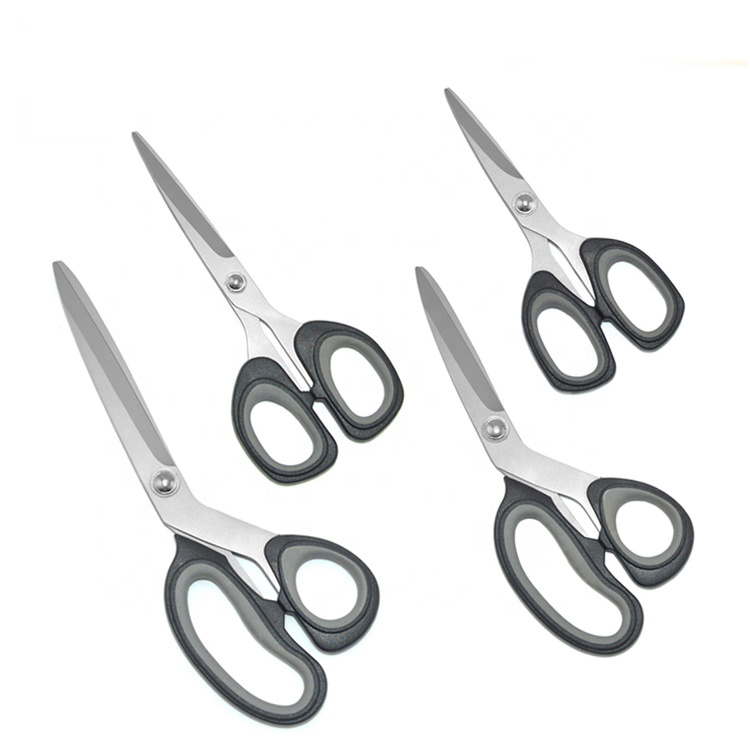
Household scissors look simple, but OEM sourcing requires more than choosing a blade shape and handle color. For retailers, importers, promotional brands, and private-label buyers, the right scissors supplier must be able to translate everyday cutting needs into a product that feels safe, balanced, and reliable in the hand. The original Bonet Houseware article introduced household scissors OEM services, stainless steel scissors, ergonomic handles, and general use for crafting, tailoring, cardboard, fabric, and home tasks. This rewritten guide expands that idea into a practical buyer-focused checklist.
Because commercial details vary by project, buyers should not assume capacity, MOQ, certifications, test results, or exact materials unless a supplier confirms them in writing. Instead, use the points below to prepare clear questions, compare samples, and reduce risk before confirming a household scissors OEM order.
Key Takeaways
- Household scissors OEM projects should begin with use case, target user, cutting materials, handle comfort, and packaging channel.
- Do not rely only on product photos; request samples and evaluate blade alignment, cutting feel, handle grip, and finish consistency.
- Ask suppliers to confirm blade material, handle material, coating, packaging, compliance needs, MOQ, lead time, and inspection process.
- Ergonomic design matters because household scissors are often used for repeated cutting tasks, not just occasional snips.
- A reliable scissors factory or supplier should answer technical questions clearly and document agreed specifications before production.
What Household Scissors OEM Means
OEM, or Original Equipment Manufacturer, means a factory produces scissors according to a buyer's brand, design direction, packaging requirements, or specification sheet. In household scissors, this may involve private-label packaging, custom handle colors, different blade lengths, soft-grip handle choices, or changes to the product presentation for retail shelves and e-commerce listings.
The goal is not only to make scissors that look unique. A useful OEM program should define how the scissors will be used: cutting paper, fabric, packaging tape, thin cardboard, craft materials, kitchen labels, or general household items. Once the intended use is clear, the buyer can discuss blade geometry, handle design, product weight, and packaging with the supplier. If the supplier describes the scissors as stainless steel or ergonomic, ask for the exact specification and sample evidence rather than treating the description as a final guarantee.
Define the End User Before Choosing a Design
Household scissors serve many users. A crafter may value clean control for paper and fabric. A home user may want a comfortable pair for opening packages and cutting labels. A professional tailor or workshop buyer may expect longer use time and more consistent cutting feel. These differences should shape the OEM brief.
Before sending an inquiry, define three things: the main cutting materials, the expected retail position, and the user's hand comfort needs. For example, a lightweight general-purpose scissor may be suitable for a household set, while a heavier-duty option may be more appropriate for cutting thick cardboard. If soft-grip handles are required, ask whether the grip material, texture, and bonding method can be confirmed. If left-hand use, child-safe use, or kitchen use is important, ask the supplier whether suitable designs are available and what limits apply.
Ergonomic Handle Design and Cutting Comfort
The original article highlighted ergonomic design as a key benefit. In sourcing terms, this means buyers should evaluate more than appearance. A handle should fit the target user's fingers without sharp pressure points. The thumb and finger loops should allow a natural cutting motion, and the handle should not twist or feel unstable when cutting thicker materials.
For sample review, test the scissors with repeated cuts, not just one demonstration cut. Use materials similar to the final buyer's market: paper, thin card, fabric scraps, packaging film, and cardboard if relevant. Notice whether the hand becomes tired, whether the pivot feels too loose or too tight, and whether the grip surface feels slippery. Ergonomic claims are most useful when the buyer can feel the difference in a controlled sample comparison.
Blade Material, Sharpness, and Everyday Performance
The source article refers to stainless steel scissors and razor-sharp blades. For a professional OEM purchase, buyers should ask the supplier to identify the blade material and finishing process rather than relying on broad wording. Stainless steel can refer to different grades and treatments, and performance depends on blade geometry, hardness, pivot assembly, edge consistency, and finishing quality.
A practical evaluation should include clean cutting at the tip, smooth cutting through the middle of the blade, and full-length cuts without snagging. Also check blade alignment when closed. If the blades cross poorly, the scissors may bend material rather than cut it cleanly. Buyers should ask whether the supplier performs in-line checks, final inspections, or sample retention, and whether inspection criteria can be added to the purchase agreement.
Comparison Checklist for OEM Scissors Buyers
| Decision Area | What to Check | Questions to Ask the Supplier |
|---|---|---|
| Blade | Sharpness, alignment, cutting tip, finish | What blade material and edge process will be used? |
| Handle | Grip comfort, loop size, surface texture | Can handle material, color, and grip details be confirmed? |
| Pivot | Smooth movement, stability, resistance | How is pivot tightness controlled during production? |
| Use Case | Paper, fabric, cardboard, household tasks | Which materials has the sample been designed to cut? |
| Branding | Logo position, packaging, instructions | What customization options are available for private label? |
| Quality | Sample consistency, inspection method | What inspection standard can be documented before shipment? |
How to Evaluate a Household Scissors Factory or Supplier
A reliable household scissors supplier should be able to discuss both product design and production control. Buyers can begin with basic questions: What existing household scissors models are available? Which parts can be customized? What information is needed to quote? What packaging formats are possible? What is the sample process? What lead time applies after sample approval? What quality documents or compliance documents can be provided if required by the destination market?
Clear communication is important. If a supplier cannot explain material options, sample differences, or inspection steps, the buyer may face problems later. At the same time, buyers should provide enough detail for the supplier to respond accurately. A vague request for the cheapest scissors usually leads to poor comparison. A better request includes target market, expected retail channel, intended cutting use, packaging style, logo needs, estimated quantity, and any applicable legal or retailer requirements.
Private Label Packaging and Product Presentation
For household scissors OEM, packaging affects both protection and sales presentation. Retail buyers may need hanging cards, blister-style presentation, paperboard packaging, or e-commerce-ready packaging. The right format depends on the sales channel and local expectations. Packaging should protect the blade tips and reduce movement in transit. It should also communicate use, safety reminders, and basic care instructions clearly.
If sustainability targets, plastic reduction, barcode placement, multilingual labels, or retailer layout rules apply, raise these issues early. Do not wait until production artwork is finished. Ask the supplier what artwork template is required, what file format is preferred, and whether packaging samples can be reviewed before mass production.
Quality Control Before Mass Production
Sample approval is only the first step. Buyers should define what will be checked during production and before shipment. Useful inspection points include appearance, blade finish, handle color, logo placement, packaging accuracy, pivot function, cutting performance, and carton labeling. If the order is for multiple colors or models, each variation should be checked separately.
It is also sensible to keep an approved reference sample. This gives both buyer and supplier a shared benchmark for color, finish, hand feel, and cutting performance. For larger or recurring orders, buyers may consider third-party inspection or a written quality checklist. The exact level of inspection depends on order value, market risk, and retailer requirements.
Care Guidance for End Users
Even well-made household scissors perform better when used correctly. Buyers preparing instructions or product pages can include simple care advice: use scissors only for suitable materials, wipe blades clean after cutting adhesive labels or tape, keep the pivot dry, store away from children, and avoid using household scissors as screwdrivers or box pry tools. If the scissors are not designed for food contact, kitchen meat cutting, garden stems, or wire, the packaging should not imply those uses.
FAQ
What information should I send for a household scissors OEM quote?
Send the target market, intended use, desired size or reference model, handle color, branding needs, packaging style, estimated quantity, and any compliance or retailer requirements.
Can I request ergonomic household scissors for private label?
Yes, but ask for samples and confirm handle material, grip shape, and comfort through practical testing. Ergonomic wording should be supported by the actual user experience.
How do I compare two scissors samples?
Cut the same materials with both samples, then compare tip sharpness, full-blade cutting, handle comfort, pivot smoothness, weight balance, finish quality, and packaging.
Should I ask for stainless steel details?
Yes. If stainless steel is important for your product positioning, ask the supplier to confirm the blade material and any relevant documentation available for your order.
What should be confirmed before production starts?
Confirm product specifications, approved sample, artwork, packaging, carton marks, inspection criteria, lead time, payment terms, and any required documents for your destination market.
Final Sourcing Advice
Household scissors OEM sourcing is most successful when buyers treat the product as a tool, not only as a branded item. Precision, comfort, material choice, packaging, and inspection all influence the final customer experience. By asking specific questions and testing samples carefully, buyers can work with a scissors factory or supplier to develop a practical private-label product for everyday household use.
