




Household Scissors: Precision and Comfort for Everyday Use
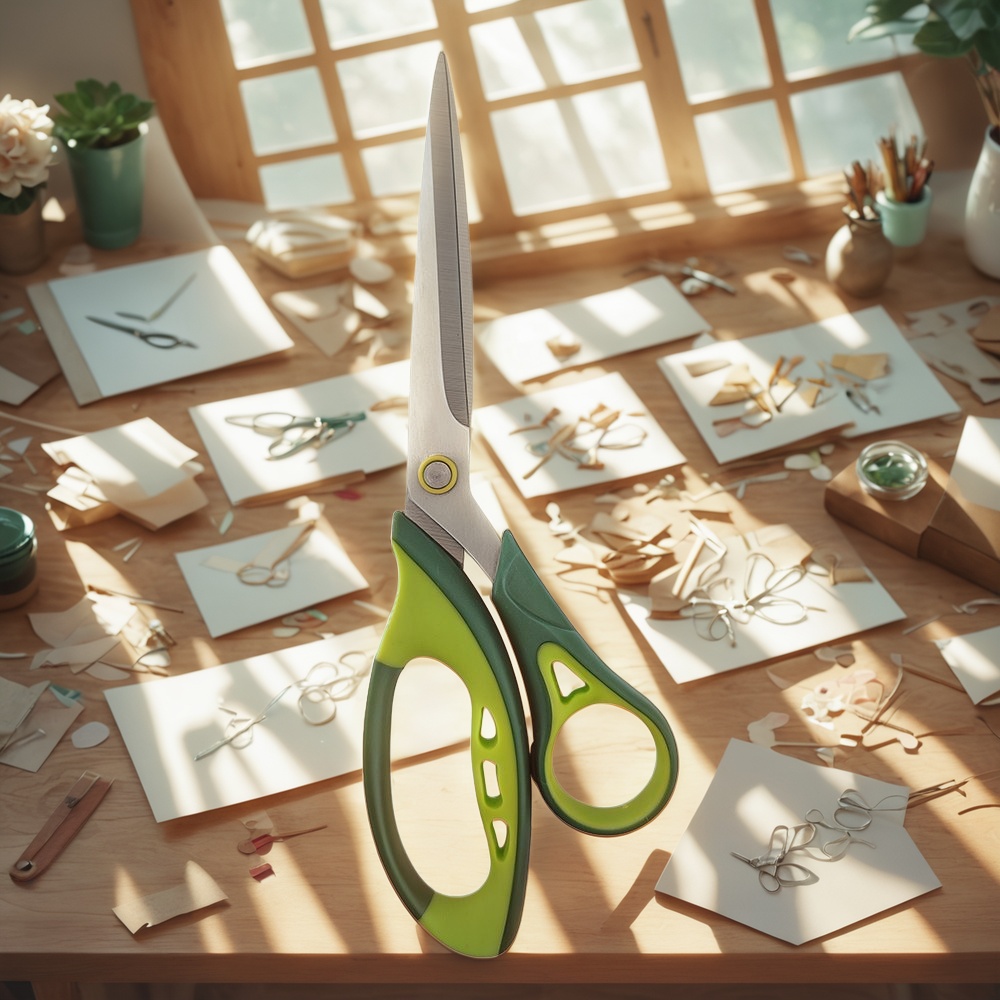
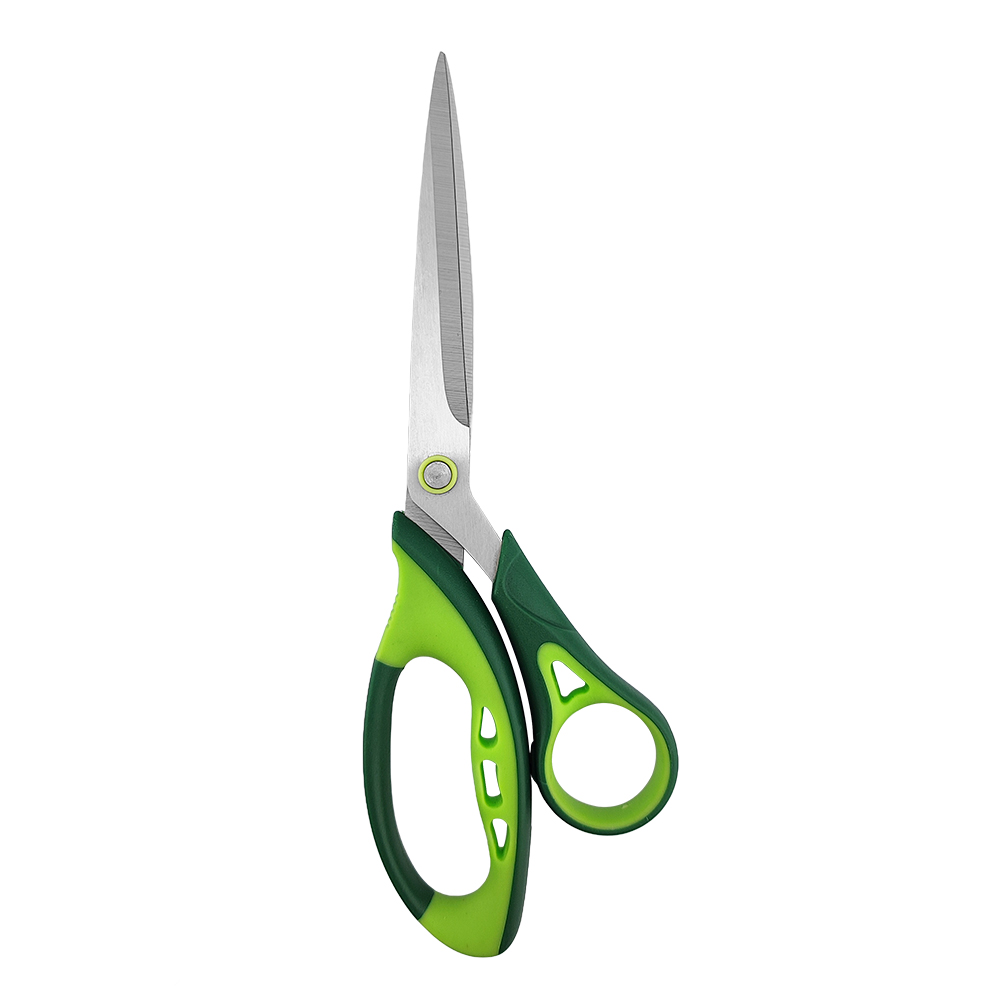
Household scissors are one of the most frequently used tools in a home, office drawer, craft box, or packing station. They may look simple, but the right pair can make daily cutting tasks cleaner, safer, and less tiring. The original product information highlights stainless steel blades, ergonomic handles, a non-slip grip, and a green and dark green dual-color design. Those details point to the main reasons many buyers look for household scissors: dependable cutting, comfortable handling, and easy visibility during routine work.
This guide explains how to evaluate household scissors for everyday use without relying on vague claims. Whether you are choosing one pair for home use or comparing options from a scissors manufacturer for wholesale or retail sourcing, the goal is the same: match the tool to the task, confirm the materials and construction, and understand how to maintain it.
Key Takeaways
- Stainless steel blades are a practical choice for common household cutting because they balance sharpness and corrosion resistance.
- Ergonomic, non-slip handles can reduce hand strain during repeated cutting tasks.
- A bright or dual-color handle can make scissors easier to find in a drawer, toolbox, or craft area.
- Before bulk purchasing, ask suppliers for clear details on blade thickness, handle material, packaging, inspection standards, and sample availability.
- Good care, safe storage, and using scissors only for suitable materials help extend service life.
What Household Scissors Are Best Used For
Household scissors are designed for general cutting rather than specialized industrial or kitchen-only use. Common tasks include opening packages, cutting paper, trimming labels, preparing craft materials, cutting thin cardboard, clipping string, and handling light office work. A well-balanced pair should feel steady in the hand and cut smoothly without requiring excessive force.
It is important not to expect one pair of household scissors to handle every material. Thick plastic, wire, heavy fabric, food bones, or abrasive materials can damage the blade edge or loosen the pivot. For those jobs, use a purpose-built tool. Keeping household scissors for normal daily materials will help maintain cutting performance and reduce safety risks.
Blade Material and Cutting Performance
The source article states that these household scissors use stainless steel blades. Stainless steel is commonly chosen for household tools because it resists rust better than many untreated steels and is suitable for indoor environments. For buyers, however, the phrase “stainless steel” is only the starting point. If you are sourcing from a factory or supplier, ask what stainless steel type is used, how the blade is hardened, and what cutting tests are performed before shipment. Do not assume a grade, hardness, or test result unless the supplier provides documentation.
For consumers, the practical test is simple: scissors should open and close smoothly, the blades should meet evenly along the cutting edge, and the tip should not feel loose. A clean cut through paper is a quick indicator, but you should also consider the materials you cut most often. If your main tasks include packaging tape and cardboard, look for a sturdy blade and clean pivot action. If you mostly cut paper or craft materials, lightweight control may matter more.
Handle Comfort and Non-Slip Grip
The original article mentions ergonomic handles with a non-slip grip, similar to the comfort people expect from soft grip scissors. This matters because discomfort often appears during repeated use rather than the first cut. A handle that is too small, too hard, or poorly shaped can create pressure points on the fingers and palm.
When evaluating household scissors, hold them as you would during normal work. Check whether your fingers fit naturally in the handle openings and whether the grip remains stable when your hand is dry or slightly damp. Non-slip surfaces are useful for control, especially when opening packaging or cutting materials that shift. For shared household use, a medium-size handle often works better than a very specialized grip, but users with larger or smaller hands should test the fit before buying multiple pairs.
Design, Color, and Everyday Visibility
The green and dark green dual-color design described in the source is more than decoration. A visible handle color can help users quickly locate scissors in a drawer, sewing kit, office organizer, or packing bench. For households with children, color can also support tool organization, although scissors should still be stored safely and out of reach when appropriate.
Design should also support cleaning and durability. Look at the joint area, handle connection, and blade finish. There should be no sharp burrs, rough plastic edges, or unstable movement. If the scissors are intended for retail sale, consistent appearance matters because customers often judge product quality before they ever cut with the tool.
Comparison Checklist for Choosing Household Scissors
| Selection Point | What to Check | Why It Matters |
|---|---|---|
| Blade material | Confirm stainless steel details with the seller or supplier | Helps assess rust resistance, edge life, and suitability for daily use |
| Blade alignment | Open and close the scissors; check for smooth contact | Poor alignment can cause tearing, snagging, or uneven cuts |
| Handle comfort | Test grip shape, finger space, and non-slip feel | Comfort reduces fatigue during repeated cutting |
| Pivot stability | Check for wobble or excessive tightness | A stable pivot supports accuracy and safety |
| Intended use | Match the scissors to paper, packaging, crafts, or light household work | Using the wrong tool can damage blades or create unsafe cuts |
| Bulk sourcing | Ask about samples, packaging, inspection, and replacement policy | Reduces risk before wholesale or OEM purchasing |
Practical Use and Care Tips
Good scissors last longer when they are used and stored correctly. Avoid cutting sticky tape repeatedly without cleaning the blades, because adhesive buildup can make the action feel rough. Wipe the blades after use, dry them if they become wet, and store them closed in a safe location. If the pivot becomes stiff, ask the supplier whether lubrication is recommended for that specific model.
- Use household scissors only on appropriate light to medium daily materials.
- Do not twist the blades while cutting, as this can affect alignment.
- Clean adhesive residue with a suitable cloth and mild cleaner, then dry the blades.
- Store scissors closed, away from children and away from heavy objects that may bend the tips.
- Replace scissors if the blades are chipped, the pivot is loose, or cutting requires unsafe force.
Questions for Wholesale and OEM Buyers
If the buying intent is commercial, treat product claims as points to verify. The original text refers to a scissors manufacturer and mentions the reputation often associated with Yangjiang scissors, but buyers should still request specific information for the exact item under consideration. Regional reputation can be useful background, yet it is not a substitute for samples, inspection, and written specifications.
Before placing a bulk order, ask the supplier: What stainless steel is used for the blades? What is the blade thickness? What handle material creates the non-slip grip? Can you provide pre-production samples? What packaging options are available? What inspection steps are used before shipment? Are logo, color, or packaging changes available, and what conditions apply? These questions help avoid assumptions about manufacturing details, MOQ, certifications, compliance, or performance claims that have not been confirmed.
FAQ
Are household scissors suitable for fabric?
They can cut some light fabric, but they are not always the best choice for sewing or textile work. Dedicated fabric scissors usually give cleaner results and should be kept separate from paper or packaging use.
Do stainless steel blades mean the scissors will never rust?
No. Stainless steel is more corrosion resistant than many untreated steels, but it still needs proper care. Keep the blades clean and dry, especially after contact with moisture or adhesive.
What makes soft grip scissors more comfortable?
A soft or non-slip grip can reduce pressure and improve control. Comfort depends on handle shape, finger opening size, material feel, and how long the scissors are used at one time.
How should I compare samples from different suppliers?
Use the same test materials for every sample, such as paper, thin cardboard, packaging film, or craft material. Compare smoothness, blade alignment, handle comfort, finish quality, and packaging consistency.
When should household scissors be replaced?
Replace them when the blades no longer meet properly, the pivot becomes unstable, the tips are damaged, or cutting requires extra force that could cause slipping.
Household scissors are small tools, but they affect many routine tasks. By focusing on verified materials, comfortable grip design, proper use, and clear supplier questions, buyers can choose scissors that are practical for daily work without relying on unsupported claims.
