




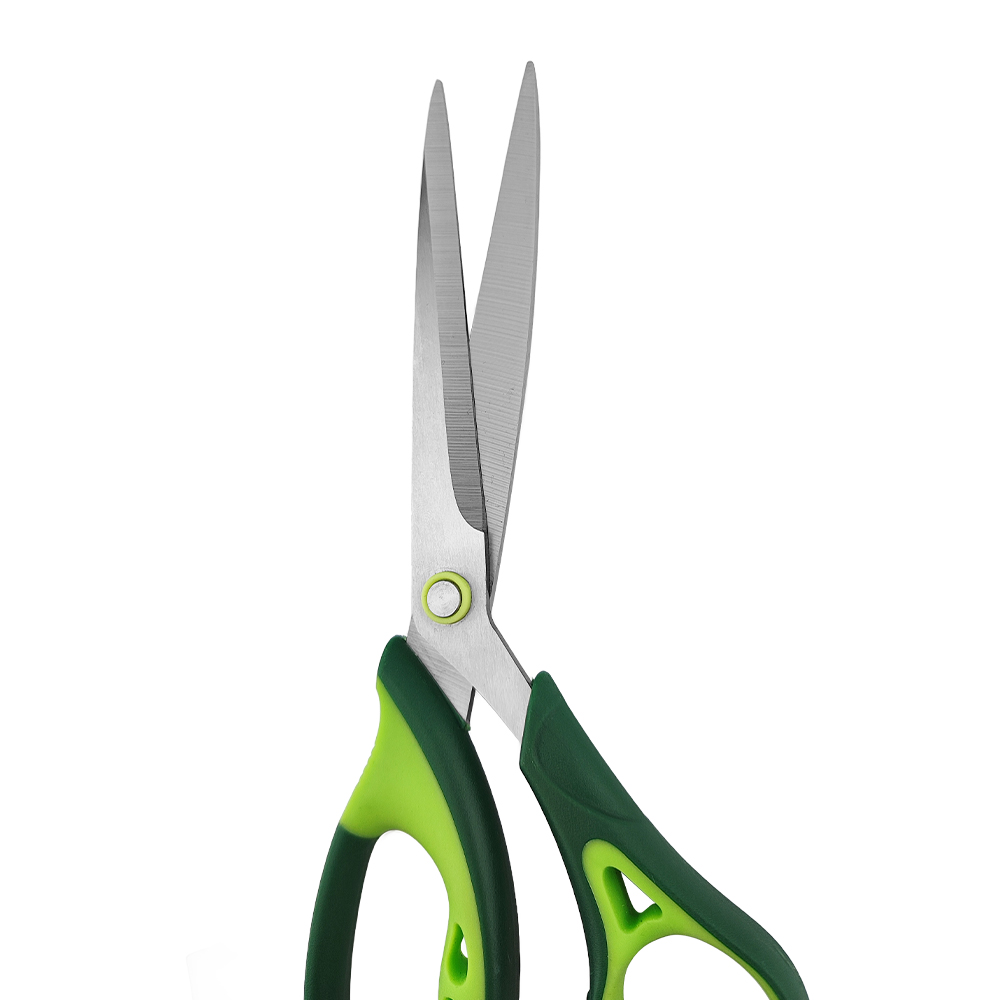
Household Scissors: Versatile Tools for Every Task
Household scissors are one of the simplest tools in a home, yet the right pair can make daily tasks easier, safer, and more accurate. From opening packages and trimming paper to cutting light fabric for craft projects, a dependable pair of scissors should feel comfortable in the hand and cut cleanly without forcing the user to squeeze too hard.
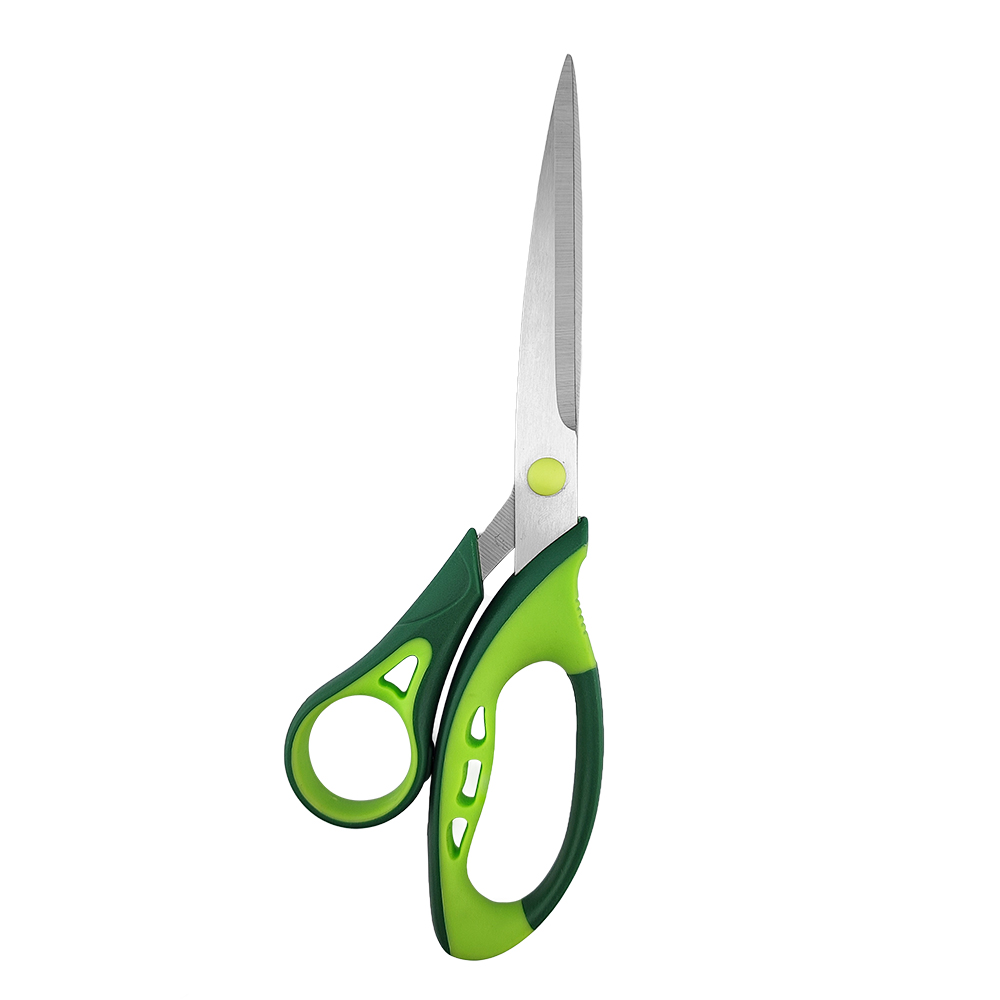
The original product information highlights several useful points: sharp stainless steel blades, a soft grip handle, a non-slip surface, an ergonomic feel, and a green-and-black design associated with Yangjiang scissors style. Those are practical features to look for, but buyers should still evaluate the scissors against their real use case rather than relying on appearance alone.
Key Takeaways
- Choose household scissors based on the material you cut most often, such as paper, packaging, light fabric, or craft supplies.
- Stainless steel blades are a practical choice for everyday home use because they can provide clean cutting and reasonable wear resistance.
- Soft grip scissors can reduce slipping and may improve comfort during longer cutting sessions.
- For wholesale or OEM purchasing, ask suppliers for sample testing, packaging options, quality-control steps, and material details before placing an order.
What Makes Household Scissors Different?
Household scissors are general-purpose cutting tools. They are not the same as heavy-duty tailor shears, kitchen poultry shears, garden pruners, or industrial cutting tools. Their value is versatility: one pair can handle many light to medium daily tasks when used correctly.
A good everyday pair should open and close smoothly, align properly at the blade tips, and cut without chewing or folding the material. The handle should also match the user. A soft grip design can be helpful because the hand stays more stable, especially when cutting slippery packaging or working through repeated snips during craft projects.
Best Uses Around the Home
For most households, scissors are used in short bursts throughout the day. That means convenience and safety matter as much as cutting performance. Common uses include:
- Opening mail, delivery bags, food packaging, and product labels.
- Cutting paper for school projects, office work, labels, and notes.
- Trimming ribbon, thread, yarn, and light fabric for hobby projects.
- Preparing gift wrap, tape, and decorative materials.
- Handling quick repairs such as cutting tags, string, or loose fibers.
One important rule is to avoid using the same household scissors for everything if the tasks are very different. Cutting adhesive tape can leave residue on the blades. Cutting rough cardboard can dull the edge faster. If your home does frequent craft, sewing, or packaging work, consider keeping separate pairs for paper, fabric, and general utility use.
Blade, Handle, and Comfort Features to Check
The original article notes stainless steel blades, which are common in household scissors because they can provide a clean edge and practical durability for everyday tasks. When evaluating a pair, look at the full blade length, the sharpness at the tips, and whether both blades meet evenly when closed. Uneven contact may lead to tearing instead of cutting.
The handle is just as important. Soft grip scissors usually include a more comfortable surface than hard plastic handles, and the non-slip feel can help when hands are dry, tired, or moving quickly. Ergonomic handles are useful for repeated cutting, but comfort is personal. A handle that fits one person may feel too small, too wide, or awkward to another.
Balance also matters. If the tool feels blade-heavy or handle-heavy, the user may apply extra pressure and lose accuracy. Well-balanced household scissors should be easy to guide in a straight line and simple to control around curves.
Comparison Checklist for Selecting Household Scissors
| Selection Point | What to Look For | Why It Matters |
|---|---|---|
| Blade material | Confirm stainless steel if listed by the supplier | Helps with everyday cutting performance and basic durability |
| Blade alignment | Tips meet cleanly and blades close smoothly | Reduces tearing, snagging, and uneven cuts |
| Handle comfort | Soft grip, stable hold, suitable finger openings | Improves control and reduces hand fatigue |
| Task fit | Match scissors to paper, packaging, craft, or light fabric use | Prevents premature dulling and poor results |
| Safety | Smooth edges on the handle and controlled blade action | Supports safer everyday handling and storage |
| Supplier details | Ask about samples, packaging, QC, and material confirmation | Important for B2B sourcing and repeat orders |
Care and Safe Use Tips
Even durable household scissors last longer when they are used and stored correctly. Wipe the blades after cutting tape, glue-backed labels, or dusty cardboard. Residue makes the blades feel dull even when the edge is still sharp. A dry cloth is often enough for light cleaning; for sticky residue, use an appropriate cleaner and dry the blades completely afterward.
Do not twist the scissors while cutting thick material. Twisting can stress the pivot and affect blade alignment. If the scissors struggle, switch to a more suitable tool instead of forcing the cut. Store scissors closed, preferably in a drawer organizer, tool cup, or protective sleeve if available. Keep them out of reach of young children and avoid leaving them open on tables or counters.
B2B Sourcing Notes for Wholesale and OEM Buyers
Because the original article mentions a scissors manufacturer and Yangjiang scissors, business buyers should treat the product page as a starting point for qualification, not a complete sourcing decision. Before placing a wholesale, private-label, or OEM order, request clear commercial and technical information from the supplier.
Useful questions include: What blade material is used and how is it verified? What handle material is used for the soft grip? Can the supplier provide pre-production samples? What packaging formats are available? What quality-control checks are performed for blade sharpness, handle finish, pivot tightness, and visual defects? Are color options, logo placement, or carton requirements available? What is the lead time after sample approval?
A responsible buyer should also ask which documents are available for the target market. Do not assume compliance, test reports, certifications, or retail-ready labeling unless the supplier provides current documentation that matches the product and order specification.
When to Replace Household Scissors
Replace or repair scissors when they no longer cut cleanly after cleaning, when the pivot becomes loose, or when the blades no longer meet properly. Dull scissors are not only frustrating; they can also be less safe because users tend to apply more force. If the handle cracks, the grip separates, or the blades show damage, replacement is usually the safer choice for household use.
Practical FAQ
Are household scissors suitable for fabric?
They can cut light fabric for simple crafts, but dedicated fabric shears are better for sewing projects where clean edges and precision are important.
Do soft grip scissors make a real difference?
For many users, yes. A soft, non-slip handle can improve comfort and control, especially during repeated cutting or longer craft sessions.
How should I clean sticky blades?
Wipe the blades after cutting tape or labels. If residue remains, use a suitable cleaner, remove the adhesive carefully, and dry the blades before storage.
What should wholesale buyers ask before ordering?
Ask for samples, blade and handle material details, packaging options, quality-control procedures, customization limits, lead time, and any documents required for your sales market.
Can one pair handle every home task?
One pair can cover many light tasks, but separate scissors for paper, fabric, and utility cutting will usually give better results and longer service life.
