




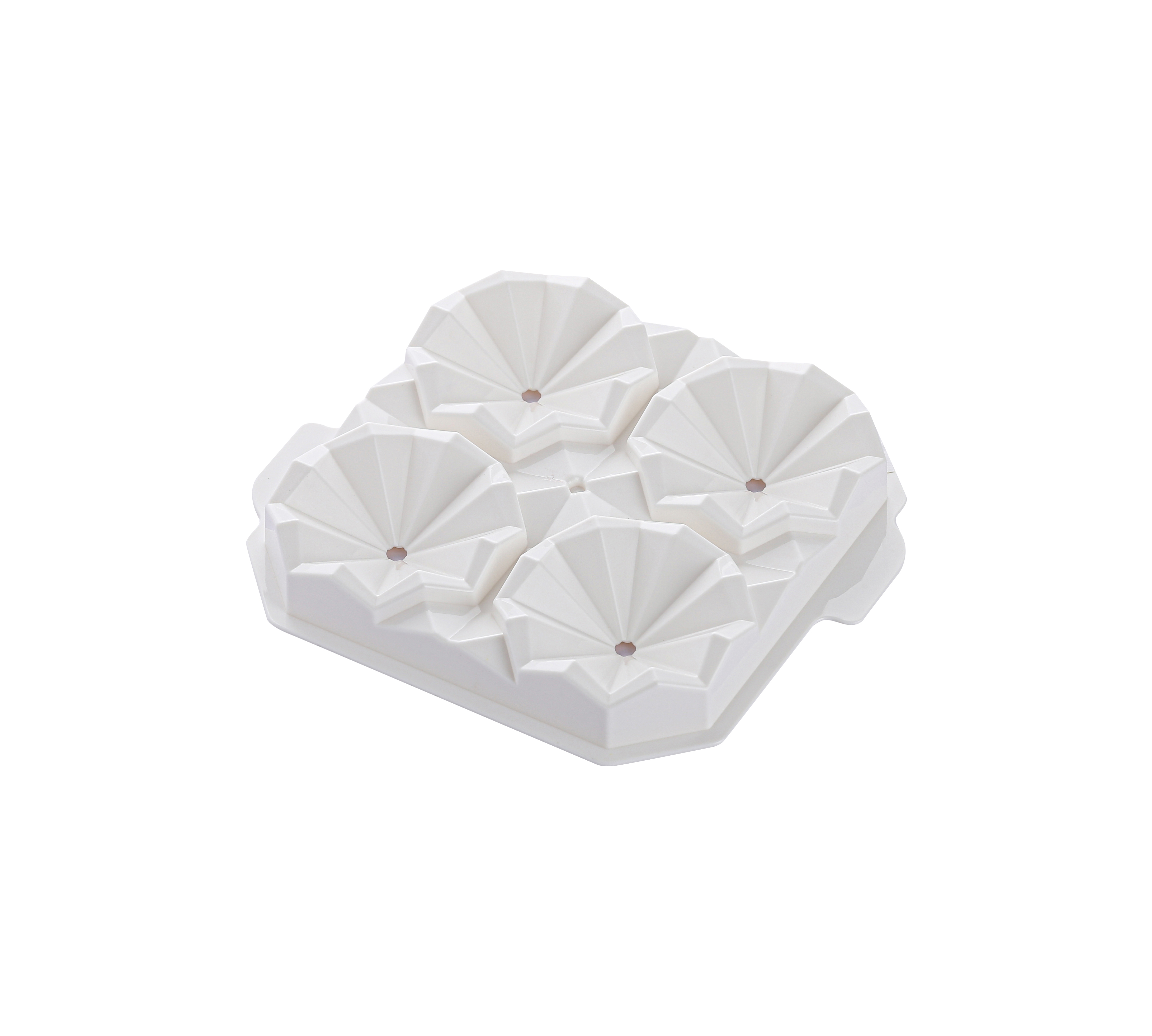
Ice Cube Tray Manufacturer: Innovate and Sustain
Choosing an ice cube tray manufacturer is not only about finding a factory that can mold a simple kitchen item. For wholesalers, brand owners, promotional product buyers, and homeware importers, the decision affects product consistency, packaging, user experience, and long-term repeat orders. Ice cube trays are used for beverages, food preservation, and creative culinary applications, so buyers need to evaluate both practical performance and production reliability.
The original market appeal of ice cube trays is straightforward: they help users make ice in convenient shapes for drinks, parties, recipes, and everyday kitchen use. Custom ice cube trays can also support branded designs or playful shapes such as spheres or animal forms. However, good sourcing requires more than an attractive concept. Buyers should ask clear questions about materials, tooling, quality checks, packaging, and sustainability before placing an OEM or wholesale order.
How Ice Tray Production Usually Works
Ice tray production commonly involves molding, inspection, and packing steps. Depending on the selected material and product design, manufacturers may work with plastics, silicone, or metal. Each material behaves differently during production and during end use, so the design should be matched to the intended sales channel and customer expectations.
For custom designs, the supplier normally needs drawings, samples, or technical artwork before confirming whether the mold can be produced. Details such as cavity size, wall thickness, tray flexibility, lid fit, stacking ability, and demolding performance can influence the final result. Buyers should avoid approving a design based only on appearance; the tray must also release ice reliably and survive normal freezer use.
Material Choices Buyers Should Compare
The source article mentions plastics, silicone, and metal as common ice cube tray materials. A buyer should not assume one option is automatically better than another. Instead, compare the intended retail positioning, price target, feel, flexibility, and cleaning expectations.
| Material Option | Typical Sourcing Consideration | Questions to Ask the Supplier |
|---|---|---|
| Plastic | Often selected for rigid trays, stackable designs, and simple mass-market formats. | What plastic is used, and what documentation is available for the target market? |
| Silicone | Often chosen when easy ice release, flexible shapes, or custom cavities are important. | How is flexibility controlled, and can samples show demolding performance after freezing? |
| Metal | May be considered for a more durable or distinctive product concept. | What finish, edge treatment, and care instructions are recommended? |
| Custom Shapes | Useful for promotional, hospitality, gift, or themed kitchenware programs. | Can the factory confirm mold feasibility for spheres, animals, logos, or other shapes? |
Custom Ice Cube Trays for Branding and Use Cases
Custom ice cube trays can turn a basic product into a differentiated SKU. They may be designed for cocktail sets, children’s kitchen products, party supplies, café promotions, or private-label homeware ranges. The original article notes that shapes can include spheres or animal shapes, and that customized trays can support personal preferences or branding needs.
When sourcing custom trays, buyers should prepare a practical design brief. Include the target market, intended retail price range, preferred material, packaging style, estimated order volume, and any important use cases such as cocktails, infused ice, baby food portions, or food preservation. If a logo or shape is required, provide vector artwork and clarify whether the design should appear on the tray body, cavity, lid, sleeve, or outer packaging.
- Request physical samples before confirming bulk production.
- Check whether ice releases cleanly after freezing.
- Confirm whether the tray stacks well in a freezer.
- Ask how the supplier manages color consistency between batches.
- Review packaging durability for shipping and retail display.
Quality Checks to Discuss Before Ordering
A reliable ice cube tray manufacturer should be able to explain its quality control process in plain terms. The original article mentions quality checks and assembly lines, but buyers should still ask what those checks include for the exact product being ordered. A visual inspection alone may not be enough for a custom tray with tight mold details or lids.
Useful inspection points may include appearance, dimensions, cavity consistency, flexibility, lid fit if applicable, surface finish, odor, color matching, packaging accuracy, and carton condition. If the product will be sold in a regulated market, buyers should ask what material documentation, test reports, or compliance support the supplier can provide. Do not assume certificates are available unless the supplier confirms them for the specific material, product, and destination market.
Sustainability Questions for Ice Cube Tray Manufacturers
The source article highlights eco-friendly materials, reduced waste, and recyclable options as trends in ice cube tray manufacturing. These are important topics, but they should be handled carefully in procurement. Buyers should ask suppliers to support any sustainability claims with clear material information and documentation rather than relying on broad marketing language.
Practical questions include whether the tray material is recyclable in the intended market, whether packaging can be reduced, whether paper-based packaging is available, and whether the supplier can help minimize production waste. For private-label programs, be careful with front-of-pack environmental claims. Terms such as recyclable, reusable, biodegradable, or eco-friendly can have legal and consumer protection implications depending on where the product is sold.
How to Evaluate an OEM or Wholesale Supplier
For B2B buyers, supplier selection should combine product capability with communication quality. A manufacturer may be able to mold a tray, but that does not automatically mean it is the best fit for an OEM project. Pay attention to how quickly the supplier answers technical questions, whether it explains limitations, and whether it provides realistic sample and production timelines.
Before placing a purchase order, buyers should request key commercial details directly from the supplier. These may include minimum order quantity, mold cost, sample cost, lead time, packaging options, color options, payment terms, inspection arrangements, and shipping support. Because these details vary by project, they should be confirmed in writing rather than assumed from a general product page.
- Share a detailed product brief and target market.
- Request material information and available documentation.
- Approve samples after freezer-use testing.
- Confirm packaging artwork, carton marks, and labeling.
- Arrange pre-shipment inspection for larger orders.
Key Takeaways
Ice cube trays look simple, but good sourcing depends on matching design, material, production method, and quality control to the intended market. Plastics, silicone, and metal each require different evaluation criteria. Custom ice cube trays can support branding and creative uses, including spheres, animal shapes, flavored ice, or infused ice, but buyers should validate mold feasibility and user performance before ordering.
For sustainable sourcing, ask specific questions about material choice, recyclability, packaging reduction, and claim support. For OEM or wholesale programs, confirm commercial details such as MOQ, tooling, samples, lead time, and compliance documentation directly with the supplier.
FAQ: Ice Cube Tray Manufacturer Sourcing
What should I ask an ice cube tray manufacturer first?
Start with material options, custom mold capability, sample availability, MOQ, lead time, packaging choices, and documentation for your target market. A clear product brief will help the supplier respond accurately.
Are silicone trays better than plastic trays?
Not always. Silicone may offer flexible ice release and creative shapes, while plastic may suit rigid, stackable, cost-sensitive designs. The better choice depends on your product positioning and user needs.
Can a supplier make custom ice cube shapes?
Many manufacturers can discuss custom shapes such as spheres, animals, logos, or themed cavities, but feasibility depends on mold design, material, detail level, and budget. Always request samples before bulk production.
How can buyers verify quality before shipment?
Buyers can review pre-production samples, define inspection criteria, check packaging proofs, and arrange pre-shipment inspection. For larger orders, written quality standards reduce misunderstanding.
What sustainability claims are safe to use?
Use only claims supported by supplier documentation and suitable for the destination market. Ask whether materials or packaging are recyclable, reusable, or reduced-waste, but avoid unsupported broad claims.
