




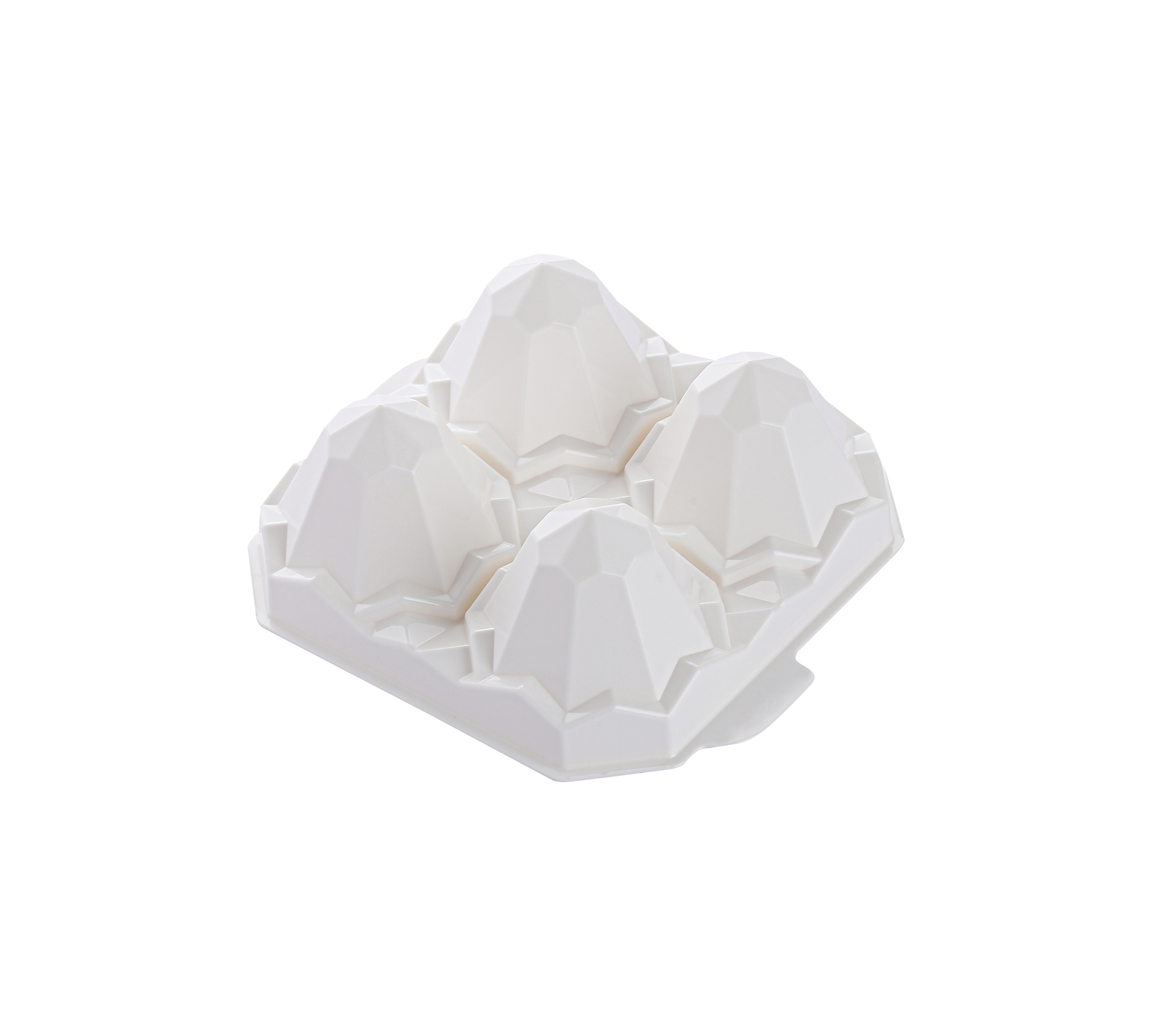
Ice Cube Tray Manufacturer: Innovative and Elegant Designs
Finding the right ice cube tray manufacturer is not only about choosing a shape or color. For retailers, importers, promotional product buyers, and kitchenware brands, the real task is to source a tray that looks appealing, freezes reliably, is easy for consumers to use, and can be produced consistently at commercial scale. The original article highlights a jade green ice mold with a geometric top case, diamond-like facets, six compartments, small filling holes, and a smooth cap intended to reduce spillage. Those details point to a broader sourcing question: how should buyers evaluate custom ice cube trays before placing a wholesale or OEM order?
This guide explains what to look for in design, production, quality control, packaging, and supplier communication. It avoids assumptions about material grade, certifications, pricing, or minimum order quantities because those details should be confirmed directly with the manufacturer for each project.
Key Takeaways
- Good custom ice cube tray sourcing starts with a clear use case: home use, cocktails, gifting, promotion, or private label retail.
- Design features such as geometric cavities, caps, and filling holes should be reviewed for both appearance and daily usability.
- Buyers should ask suppliers to confirm material details, compliance documents, production tolerances, packaging options, and sample procedures.
- A comparison table or checklist helps purchasing teams evaluate manufacturers consistently instead of relying only on product photos.
Understanding the Search Intent Behind Ice Cube Tray Manufacturing
Someone searching for an ice cube tray manufacturer is usually looking for more than a single retail item. They may need a factory partner for private label products, a wholesale supplier for kitchenware distribution, or an OEM source that can turn a custom concept into a finished mold. Because ice trays are simple everyday items, small design decisions can have a large effect on buyer satisfaction.
For example, a tray with diamond-like facets may create visually distinctive ice for cocktails or home entertaining. A jade green color can help the product stand out in a kitchenware aisle or online listing. Six compartments may suit customers who prefer larger, shaped cubes rather than many small cubes. Small holes for filling and sealing can reduce mess if they are well positioned, but they should still be tested for easy filling under a normal faucet.
Custom Ice Cube Tray Design Considerations
Custom ice cube trays should be evaluated from the user’s point of view first. A tray may look impressive in a product photo, but it also needs to fill cleanly, freeze evenly, release ice without excessive force, and store neatly in a freezer. When reviewing a design with a manufacturer, ask for samples or prototypes when possible and test them in realistic conditions.
Important design points include cavity shape, tray stability, lid or cap fit, ease of cleaning, stacking behavior, and how the final ice looks after freezing. The original product description mentions geometric top cases and diamond-like facets, which are useful aesthetic details for brands targeting cocktail, entertaining, or gift markets. However, buyers should also ask whether the shape affects freezing time or release performance.
Ice Tray Production Questions to Ask a Supplier
Before selecting an ice tray production partner, purchasing teams should prepare direct questions. Do not assume a supplier’s material, certifications, or production process from images alone. Ask the supplier to specify the material used, available color options, mold development process, tooling ownership terms, lead time estimates, inspection standards, and packaging choices. If the product will contact food, request the relevant documentation needed for your sales market and have it reviewed by your compliance team.
For OEM projects, clarify whether the manufacturer can support 2D drawings, 3D files, color matching, logo placement, retail packaging artwork, and carton labeling. If you need a six-compartment tray, a capped design, or small filling holes similar to the described model, confirm which elements are standard and which require custom tooling.
Comparison Checklist for Wholesale Buyers
| Evaluation Area | What to Check | Questions for the Manufacturer |
|---|---|---|
| Design usability | Filling, sealing, stacking, ice release, cleaning | Can you provide samples for home freezer testing? |
| Customization | Shape, color, logo, cavity count, cap style | Which features are standard, and which require new tooling? |
| Material information | Supplier-declared material and food-contact suitability | What material is used, and what documents can you provide? |
| Production control | Dimensional consistency, appearance defects, cap fit | What inspection steps are used before shipment? |
| Packaging | Retail box, polybag, master carton, labeling | Can packaging be customized for wholesale or private label orders? |
| Commercial terms | MOQ, lead time, payment terms, tooling costs | What are the current terms for this specific project? |
How to Review Samples Before Ordering
Sample testing is one of the most useful steps in ice cube tray sourcing. Fill the tray several times using normal tap water, place it on a freezer shelf, and check whether the cap helps reduce spills. After freezing, release the ice and inspect whether the intended shape is clear. If the design includes diamond-like facets, confirm that the visual effect is visible enough to support the product positioning.
Also test cleaning and storage. Some detailed cavities may require more careful washing, while a smooth cap can make stacking easier if it fits securely. If the tray is intended for online retail, take your own photos of the sample because factory images may not show every practical detail customers will notice.
Packaging and Branding for Custom Ice Cube Trays
Packaging matters because ice cube trays are often compared visually. A jade green geometric tray may suit a clean, modern box design, while a cocktail-focused product may need images showing the finished ice in drinks. For wholesale buyers, packaging should also protect the cap and tray shape during transport. Ask the supplier about inner packing, master carton strength, barcode placement, and whether packaging artwork must be supplied in a specific file format.
If you plan to sell through retailers or marketplaces, prepare product claims carefully. Do not claim a material grade, dishwasher suitability, temperature range, or certification unless the supplier provides documentation and your team verifies it. Accurate copy reduces customer complaints and compliance risk.
Choosing the Right Ice Cube Tray Manufacturer
A strong supplier should answer technical and commercial questions clearly. Look for timely communication, willingness to provide samples, realistic discussion of tooling, and transparent handling of packaging and inspection requirements. Product appearance is important, but consistent delivery and clear documentation are equally important for B2B purchasing.
When comparing suppliers, create a scorecard that includes sample quality, customization ability, communication, packaging support, documentation, and total landed cost. If a manufacturer offers an attractive design but cannot explain material details, inspection methods, or export packaging, treat that as a risk to investigate before ordering.
Practical FAQ
What should I ask an ice cube tray manufacturer first?
Start with the basics: available designs, material information, customization options, sample availability, MOQ, lead time, packaging choices, and documents required for your target market.
Can I request a custom shape such as diamond-style ice?
Many OEM suppliers can discuss custom shapes, but buyers should confirm whether the design uses an existing mold or requires new tooling. Ask for drawings, samples, and tooling terms before committing.
How do I know if a capped tray will reduce spills?
Test a sample in a normal freezer. Fill the tray, attach the cap, move it as a consumer would, and check whether water leaks or the cap shifts.
Should I choose six compartments or more cavities?
Six compartments can work well for larger decorative cubes, while smaller cavities may suit everyday drinks. Choose based on the target customer, freezer space, and desired ice size.
What details should not be assumed from a product photo?
Do not assume material grade, food-contact compliance, dishwasher suitability, production capacity, MOQ, or certifications. Request written confirmation and supporting documents from the supplier.
