




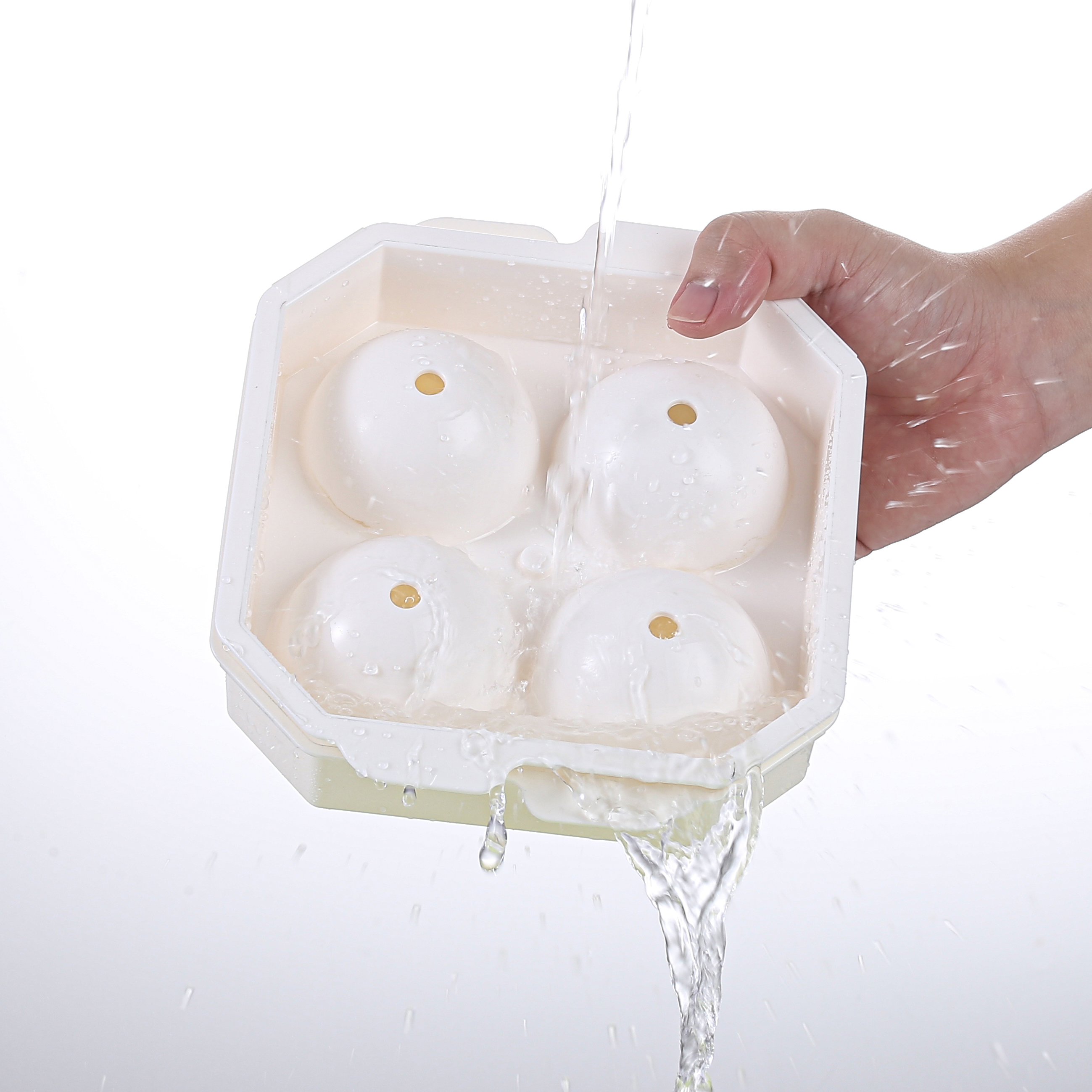
Ice Tray Manufacturing: Sourcing Better Ice Cube Trays
Ice tray manufacturing may look simple from the outside, but buyers know that small design and material choices can affect leakage, release performance, cleaning, storage, packaging, and user satisfaction. For retailers, distributors, hospitality buyers, promotional product teams, and kitchenware brands, the goal is not just to find an ice tray at a low unit cost. The goal is to source a product that fits the intended market, is practical to use, and can be supplied with consistent quality.
The original article highlighted the role of ice cube tray suppliers, the popularity of silicone ice trays, and user-friendly designs such as molds for cubes or spheres. This rewritten guide expands that idea into a practical sourcing framework, with questions to ask before choosing a factory, supplier, OEM partner, or wholesale product line.
Key Takeaways
- Define the end use first: home kitchen, barware, hospitality, frozen desserts, or promotional gifting.
- Do not assume all silicone trays are equal; ask suppliers to document material, care instructions, and production controls.
- Review shape, lid or locking design, freezer fit, release performance, and cleaning method before placing a bulk order.
- For OEM or wholesale sourcing, confirm commercial details such as MOQ, lead time, packaging, samples, and inspection process directly with the supplier.
What Ice Tray Manufacturing Involves
Ice tray manufacturing brings together product design, material selection, mold development, forming, finishing, packaging, and quality checks. The finished product may be a classic cube tray, a covered tray intended to reduce spills, a sphere mold for beverages, or a flexible silicone tray used for ice, chilled ingredients, or frozen desserts.
For B2B buyers, the manufacturing process matters because each step influences the final product. A tray that looks attractive in photos may still be difficult to fill, hard to demold, unstable in a freezer, or inefficient to pack. Before comparing suppliers, prepare a clear product brief that explains the target user, desired shape, approximate capacity, color preferences, packaging style, and retail channel. If exact dimensions or material requirements are important, ask the supplier to confirm what is available rather than assuming a catalog item will match your market.
Comparing Common Ice Tray Options
Different ice tray designs serve different needs. A product for a home freezer may prioritize compact storage and easy release, while a product for bars may focus on larger cubes or spheres that melt more slowly in spirits and cocktails. The table below can help buyers compare common options before requesting samples.
| Option | Best Fit | Buyer Checks |
|---|---|---|
| Standard cube tray | Everyday household use, multipacks, entry-level retail | Check freezer footprint, cube size, stacking, and ease of twisting or release. |
| Covered ice tray | Home kitchens, shared freezers, storage-focused products | Ask how the lid fits, whether it helps reduce spills, and how it affects stacking. |
| Silicone ice tray | Flexible release, shaped cubes, desserts, mixed kitchen use | Request material details, cleaning guidance, odor control recommendations, and sample testing. |
| Ice sphere mold | Whiskey, cocktails, gifting, barware assortments | Review filling method, leakage control, sphere shape consistency, and user instructions. |
| OEM custom mold | Private label, branded retail, specialty kitchenware | Clarify tooling cost, design ownership, sample timeline, MOQ, packaging, and revision process. |
Silicone Ice Trays: Benefits and Sourcing Cautions
Silicone ice trays have become popular because flexible materials can make it easier to remove frozen cubes or shaped ice. The original article also noted that silicone trays may be used for drinks such as whiskey and cocktails, and for frozen desserts. These are useful selling points, but buyers should verify them through samples and supplier documentation rather than relying only on product descriptions.
When sourcing silicone ice trays, ask specific questions. What material is used? What care instructions should be printed for the consumer? Is the product suitable for dishwasher cleaning, or should hand washing be recommended? Are there temperature-use limits that should appear on packaging? How is odor transfer minimized during production and storage? If a supplier describes the material as food grade, request supporting documentation and confirm whether it is appropriate for your destination market and sales channel.
Also consider the feel of the product. A tray that is too soft may spill when carried to the freezer. A tray that is too rigid may lose the release benefit buyers expect from silicone. Samples should be tested with water filling, freezing, demolding, washing, drying, and stacking.
How to Evaluate Ice Cube Tray Suppliers
Ice cube trays suppliers can provide finished products, private-label options, or OEM development support. A reliable sourcing process compares more than price. It should include product fit, communication quality, sample consistency, packaging support, and the supplier's ability to answer technical questions clearly.
Use a structured checklist when contacting suppliers:
- Ask whether the item is a standard catalog product or requires custom tooling.
- Request product dimensions, weight, material description, color options, and packaging format.
- Confirm whether samples are available and whether the sample will match bulk production.
- Ask about MOQ, lead time, payment terms, carton details, and shipping readiness.
- Clarify how defects are defined and what inspection steps are used before shipment.
- Request care instructions and any documentation required for your market.
- Confirm whether branding, inserts, barcodes, or retail packaging can be supported.
A supplier that answers these questions in detail is easier to evaluate. A supplier that gives vague answers may still be capable, but buyers should slow down and verify more carefully before committing to a large order.
Design Details That Affect User Experience
Small design details can decide whether an ice tray earns repeat purchases. For standard trays, look at how easily the cube releases and whether the tray can be filled without overflowing. For covered trays, check whether the cover sits securely without being difficult to remove. If a product uses a locking or closure system to reduce leakage, test it with normal user handling rather than only in a controlled showroom setting.
For ice sphere molds, evaluate whether the mold is easy to fill to the correct level. If the product is likely to be used for cocktails or whiskey, buyers may want clearer instructions and packaging images that show the intended result. If the tray is marketed for desserts or flavored ice, confirm whether the shape is easy to clean after contact with juices, coffee, milk-based mixtures, or herbs.
Freezer compatibility is another important point. A tray may be attractive but too tall for many drawers, or unstable when full. For wholesale buyers, this can lead to returns or complaints. Always test the product in real freezer conditions before finalizing packaging claims.
Quality, Packaging, and Compliance Questions to Ask
Because requirements vary by country, retailer, and sales channel, this guide does not assume any specific certification or test result. Instead, buyers should ask suppliers for the documentation required for their destination market. This is especially important when the product contacts food or drink.
Useful questions include: What material documentation can be provided? What tests have been performed, if any? Are care and safety instructions included? Can the supplier support third-party testing if the buyer requires it? How are color consistency and surface defects controlled? What packaging protects the product during storage and shipping? How are cartons labeled for warehouse receiving?
Packaging should also match the business model. E-commerce sellers may need compact packaging that reduces damage and supports clear product photos. Retailers may need hanging cards, color boxes, or shelf-ready cartons. Hospitality buyers may prefer simple bulk packaging. Ask the supplier what options are available and request dielines or packaging samples before approval.
Practical FAQ
Are silicone ice trays better than plastic ice trays?
Not always. Silicone trays often offer flexible release and shaped ice options, while rigid trays may be suitable for simple everyday cubes. The better choice depends on price point, target user, freezer space, and cleaning expectations.
What should I ask an ice tray manufacturer before ordering?
Ask about material, dimensions, sample availability, MOQ, lead time, packaging, care instructions, inspection process, and documentation for your destination market. For custom products, also ask about tooling, revision rounds, and ownership of the design.
Can ice trays be used for frozen desserts?
Some trays are used for frozen desserts, but buyers should verify the material, cleaning guidance, and intended use with the supplier. Ingredients such as juice, dairy, or coffee can affect staining, odor, and cleaning requirements.
How can buyers reduce leakage complaints?
Test the tray while filling, carrying, closing, stacking, and freezing. If the product has a lid or locking design, check how it performs when handled by an ordinary user, not just when carefully demonstrated.
Is custom OEM ice tray development worth it?
OEM development can be useful for brands that need a unique shape, color, lid, packaging, or retail concept. It may also involve tooling cost, longer timelines, and higher order commitments, so buyers should confirm all commercial terms before starting.
Final Sourcing Advice
Ice tray manufacturing is a practical category where details matter. Whether sourcing standard cube trays, silicone ice trays, covered designs, or ice sphere molds, buyers should focus on real use conditions: filling, freezing, release, washing, storage, and packaging. Clear questions, sample testing, and documented requirements will help you compare suppliers more effectively and choose products that fit your market.
