




Ice Tray Manufacturing: A Practical Sourcing Guide for Modern Ice Trays
Ice tray manufacturing has moved beyond basic rectangular molds. Today, buyers may source standard cube trays, covered freezer trays, novelty shapes, and spherical ice molds for home, hospitality, retail, and promotional channels. For B2B purchasers, the challenge is not simply finding an ice cube trays supplier, but understanding which design, material, packaging, and quality controls fit the target market.
This guide explains how to evaluate ice tray products and suppliers without relying on vague claims. It focuses on practical sourcing questions, especially for silicone ice trays and other common freezer mold formats.
Why Ice Tray Manufacturing Matters to Buyers
Ice trays are simple products, but small design choices strongly affect user experience. A tray that is difficult to fill, hard to release, unstable in the freezer, or poorly packaged can create returns and negative reviews. For wholesalers and private-label buyers, these issues can become expensive after shipment.
Manufacturers typically consider mold design, material flexibility, release performance, cavity shape, lid fit, stacking ability, and packaging format. Buyers should review samples in real use conditions rather than judging only photos. Fill the tray, freeze it, remove the ice, wash it, and repeat the process several times to identify practical problems.
Common Ice Tray Types and Use Cases
Different sales channels require different ice tray formats. A supermarket product may need simple packaging and a low learning curve. A barware product may focus on larger cubes or spheres for cocktails. A promotional product may prioritize custom shape or logo options, depending on what the supplier can support.
- Standard cube trays: Suitable for everyday home use and broad retail categories.
- Covered ice trays: Useful when buyers want stackability or protection from freezer odors.
- Silicone ice trays: Valued for flexibility and easier ice release compared with rigid designs.
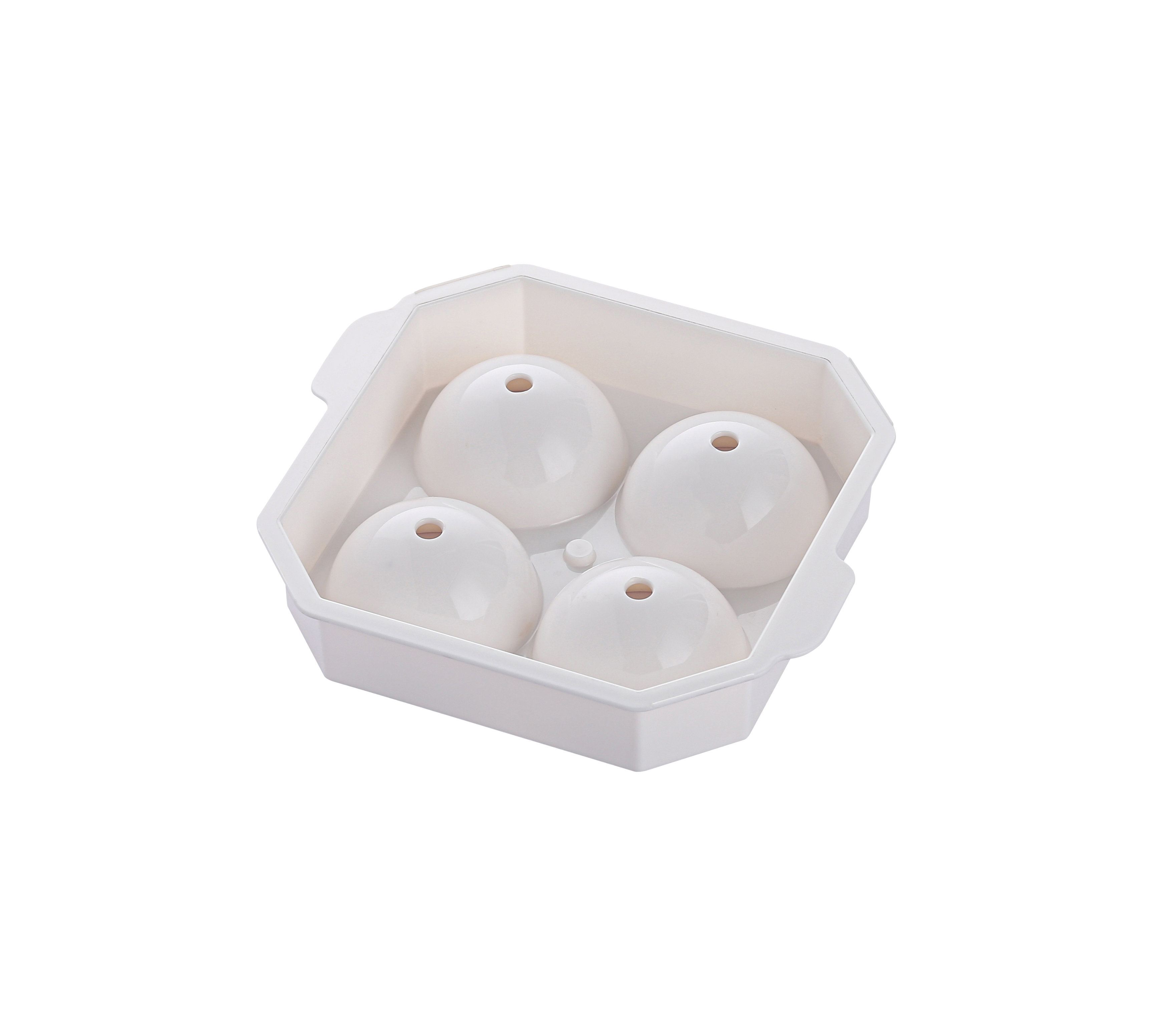
- Sphere ice molds: Often chosen for cocktails and premium beverage presentation; larger ice pieces may melt more slowly than small cubes.
- Novelty molds: Used for seasonal, gift, or promotional programs, but they require careful cavity detail checks.
Material and Design Considerations
Silicone is a popular option in ice tray manufacturing because it is flexible and can be molded into various shapes. The original article also noted heat-resistant properties; buyers should still ask suppliers to state the intended temperature range and provide supporting documentation where relevant. Plastic trays may be more rigid and economical for certain channels, but release performance and cracking resistance should be tested.
Design details matter as much as material. For example, a small filling opening on a sphere mold can help control water flow, but it can also slow filling if the opening is too narrow. A lid can improve stacking, but only if it fits securely and does not deform after freezing. Thin walls may release ice easily but could feel flimsy; overly thick walls may increase material use and freezing time.
Comparison Table: Choosing an Ice Tray Format
| Option | Best For | Buyer Checks | Potential Trade-Off |
|---|---|---|---|
| Standard cube tray | Mass retail, household packs, basic kitchen ranges | Cube release, tray stiffness, stacking stability | Less differentiated than specialty molds |
| Covered ice tray | Freezer organization and retail value packs | Lid fit, odor protection, nesting and stacking | Lids can warp or loosen if poorly designed |
| Silicone ice tray | Flexible release and shaped ice designs | Flexibility, surface finish, odor, cleaning ease | May need stronger packaging to avoid deformation |
| Sphere ice mold | Cocktails, barware, gift sets | Fill opening, leakage, sphere shape consistency | Can be slower to fill and freeze |
| Novelty shape mold | Seasonal, branded, or promotional programs | Detail clarity, release without tearing, mold alignment | Complex shapes may release less cleanly |
How to Evaluate an Ice Cube Trays Supplier
A capable supplier should be able to explain how a product is made, what materials are used, how quality is checked, and what customization is possible. Avoid assuming details that are not documented. If you are sourcing for regulated retail markets, ask for the documents your market requires and verify them independently.
Useful supplier questions include:
- What material is used for each part of the tray, lid, or mold?
- Can the supplier provide material declarations or test reports relevant to the destination market?
- What customization is available for color, cavity shape, packaging, logo, or instructions?
- What are the sample lead time, production lead time, minimum order quantity, and payment terms?
- How are trays inspected for appearance, odor, deformation, leakage, and function?
- How is packaging tested to prevent crushing or shape distortion during transport?
- What happens if the delivered goods do not match the approved sample?
Quality Checks Before Placing a Wholesale Order
Samples should be checked in the same way consumers will use the product. Fill the trays to the recommended level, freeze them on an uneven freezer shelf, stack them if stacking is advertised, and test ice release after full freezing. Wash the product and check whether any odor remains. If the product includes a lid, confirm that it still fits after freezing and washing.
For sphere molds, examine whether the final ice shape is close to round and whether water leaks from seams or filling holes. For novelty molds, check whether the details remain visible after release. For retail programs, inspect printed packaging, barcode placement, warning text, and instruction clarity. These checks are especially important when changing color, packaging, or mold design after the first sample.
Packaging, Logistics, and Private Label Planning
Ice trays can be lightweight but bulky, so carton size and packing method affect freight cost. Flexible silicone trays may bend if packed poorly, while rigid trays may crack under pressure. Ask the supplier to share carton dimensions, gross weight, inner packing method, and pallet suggestions if needed. For e-commerce, consider whether the product needs extra protection to survive parcel handling.
Private-label buyers should prepare artwork files, packaging copy, user instructions, and any required market language early. A well-written instruction sheet can reduce complaints by explaining fill level, freezing time expectations, cleaning guidance, and safe removal methods. Do not add claims such as dishwasher safety, food-contact compliance, or temperature resistance unless the supplier can support them with appropriate documentation.
Key Takeaways
- Ice tray manufacturing quality depends on material, mold design, release performance, and packaging.
- Silicone ice trays are valued for flexibility, but buyers should still test odor, durability, and fit.
- Sphere and novelty molds need extra checks for leakage, shape accuracy, and ease of release.
- B2B buyers should confirm MOQ, lead time, documentation, inspection process, and after-sales handling before ordering.
FAQ
What is the best material for ice trays?
There is no single best material for every program. Silicone is flexible and useful for shaped molds, while rigid plastic can suit standard cube trays. Choose based on target price, release performance, packaging, and required market documentation.
Are silicone ice trays suitable for wholesale programs?
Yes, they can be suitable if the supplier can deliver consistent material quality, stable colors, clean finishing, and reliable packaging. Buyers should approve physical samples before confirming bulk production.
What should I test in an ice tray sample?
Test filling, freezing, stacking, release, washing, odor, lid fit, leakage, and packaging strength. Repeat the process more than once to identify issues that may not appear in a quick inspection.
Can ice tray factories make custom shapes?
Many suppliers may offer custom or semi-custom shapes, but tooling cost, lead time, minimum order quantity, and design limits vary. Ask the supplier to confirm feasibility before promising a design to customers.
How can buyers avoid quality disputes?
Use a signed sample, clear specifications, packaging artwork approval, inspection criteria, and written agreement on defect handling. Avoid relying only on catalog photos or verbal descriptions.
