




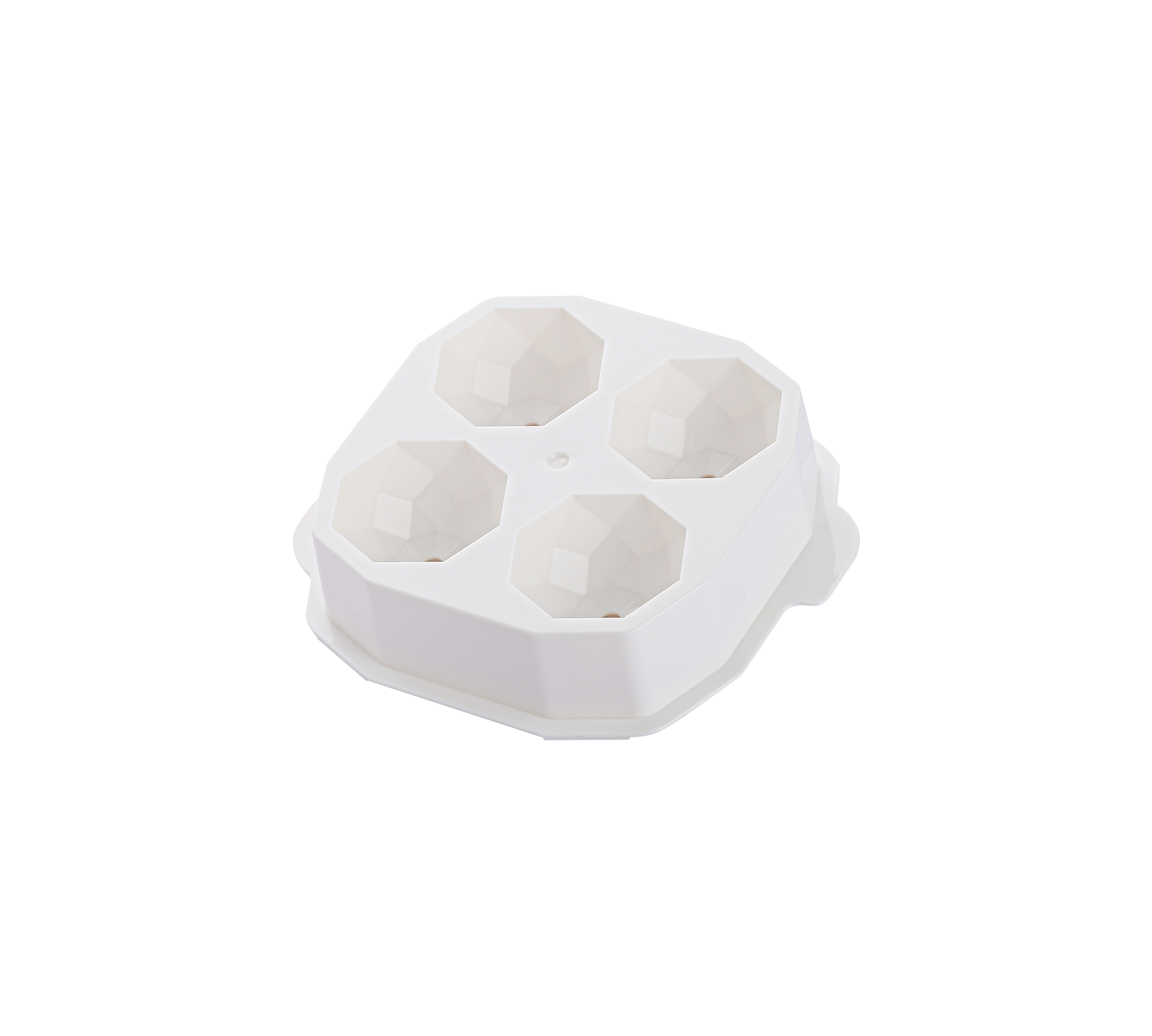
Ice Tray Manufacturing: Innovations & Future Trends
Ice tray manufacturing may look simple from the outside, but for retailers, importers, distributors, and private-label buyers, it involves many sourcing decisions. Buyers need to compare materials, mold designs, packaging, supplier reliability, and the practical expectations of home and commercial users. The core purpose remains straightforward: create trays that form ice in consistent shapes and sizes, release cubes easily, and hold up through repeated freezing and handling.
The market now includes basic plastic trays, flexible silicone ice trays, covered designs, sphere molds, large-cube molds, and other specialty formats. This variety creates opportunity, but it also makes supplier evaluation more important. A good sourcing process should not rely only on product photos or low unit prices. It should confirm material details, performance expectations, production consistency, and the supplier’s ability to support the buyer’s target sales channel.
Key Takeaways
- Ice tray sourcing should start with the intended user: household, hospitality, beverage service, promotional retail, or private label.
- Plastic and silicone are common material options, but buyers should request documentation for safety, temperature range, and durability claims.
- Silicone ice trays are valued for flexibility and easy ice removal, while plastic trays can be cost-effective for standard formats.
- Supplier selection should include questions about tooling, quality control, packaging, labeling, lead times, and sample approval.
- Future trends are likely to focus on customization, practical spill prevention, reusable packaging concepts, and more responsible material choices.
What Ice Tray Manufacturing Includes
Ice tray manufacturing begins with product design. The tray must define cube size, cavity shape, wall thickness, fill level, flexibility, stacking behavior, and whether a lid is needed. Even small design changes can affect how easily water is filled, how well the tray fits in a freezer, and how smoothly ice releases after freezing.
After design, the manufacturer creates or uses molds to form trays in the selected material. The original article notes that ice trays are produced in various shapes and sizes for home and commercial settings. That flexibility is one reason the category remains active: the same basic product can be adapted for everyday kitchens, bars, restaurants, gift sets, and beverage brands.
For B2B buyers, the main point is to treat an ice tray as a functional product, not just a low-cost accessory. If the tray cracks, deforms, leaks, stains, or releases ice poorly, returns and negative reviews can quickly outweigh any savings from a cheaper quote.
Plastic vs. Silicone Ice Trays: Sourcing Comparison
Plastic and silicone are both widely used in ice cube tray supply. The original source highlights silicone trays for flexibility, resistance to cracking, and creative designs such as sphere-shaped molds. Plastic trays, meanwhile, remain common for basic cube formats and price-sensitive retail programs. The best option depends on sales channel, consumer expectations, packaging size, and target price point.
| Selection factor | Plastic ice trays | Silicone ice trays | Questions to ask suppliers |
|---|---|---|---|
| Ice release | May require twisting or running briefly under water | Often easier to flex for removal | Can you provide samples for freeze-and-release testing? |
| Design options | Good for standard cubes and simple forms | Suitable for flexible and specialty shapes, including spheres | What shapes are available with existing molds? |
| Durability expectations | Can be rigid and may crack if stressed | Known for flexibility and resistance to cracking | What durability tests do you perform, if any? |
| Retail positioning | Often used for value or multipack ranges | Often used for premium, barware, or specialty formats | Which packaging formats fit this product tier? |
| Compliance and material claims | Must be verified by buyer and supplier documents | Must be verified by buyer and supplier documents | Can you provide material declarations and applicable test reports? |
Why Ice Cube Tray Suppliers Matter
Ice cube tray suppliers play a central role in consistency. They source materials, manage production, control molds, package finished products, and often support customization for retailers or importers. A buyer may see two trays that look almost identical online, but differences in material quality, mold precision, lid fit, edge finishing, and packaging can be significant.
When evaluating a supplier, ask for clear answers rather than broad promises. Useful questions include: What materials are used? Are existing molds available? Can the tray be customized with color, logo, lid, or packaging? What is the process for sample approval? What quality checks are performed during production? What are the carton dimensions and packing methods? What lead time applies after artwork and samples are approved?
Buyers should also clarify commercial details directly, including minimum order quantity, payment terms, production schedule, and responsibilities for inspection or shipping. These details should not be assumed from a product listing.
Innovation in Silicone Ice Trays
Silicone ice trays have become popular because they are flexible and convenient for removing ice. This flexibility allows manufacturers to create designs that are harder to achieve with rigid trays. Sphere molds and large-cube formats are often used for drinks because larger ice pieces can melt more slowly than small cubes, depending on shape, surface area, and serving conditions.
Innovation is not only about unusual shapes. Practical improvements can include better lid fit, stable tray bases, spill-reducing fill lines, stackable formats, clearer filling instructions, and packaging that shows the intended ice shape. For online retail, buyers should also consider how the product photographs, how easily consumers understand the mold, and whether the tray can be cleaned conveniently.
Any performance claim should be supported. If a supplier says a silicone tray can handle a specific temperature range or is made from a particular material grade, request written documentation and test reports suitable for the destination market.
Quality Checks Before Placing a Wholesale Order
Before committing to a wholesale or OEM order, buyers should test samples under realistic conditions. A showroom sample may look acceptable, but repeated freezing, twisting, stacking, and washing can reveal issues. Use a simple checklist and record results before approving mass production.
- Fill the tray to the recommended level and check for leaks or overflow problems.
- Freeze it in a typical freezer and test whether the ice releases cleanly.
- Check whether the tray remains stable when carried full of water.
- If the product includes a lid, confirm fit, stacking, and ease of removal.
- Inspect edges, surface finish, color consistency, and odor after unpacking.
- Review packaging strength for e-commerce, retail shelves, or bulk distribution.
- Confirm that labeling, warnings, and material information match your market requirements.
Future Trends in Ice Tray Manufacturing
The future of ice tray manufacturing is likely to be shaped by customization, material transparency, and more practical product design. The original article mentions interest in sustainability and eco-friendly materials. Buyers should approach this area carefully: claims such as biodegradable, recycled, reusable, or eco-friendly should be backed by supplier documentation and should comply with the destination market’s advertising and labeling rules.
Customization will also remain important. Retailers may want unique cube shapes, seasonal colors, branded packaging, or sets that combine trays with other kitchen or bar accessories. For OEM projects, early discussion of tooling cost, ownership, revision process, and sample timing is essential.
Practical FAQ
What should buyers ask an ice cube tray supplier first?
Start with material, available molds, sample timing, customization options, quality control process, packaging choices, lead time, and MOQ. Ask for written documentation for any safety or performance claims.
Are silicone ice trays always better than plastic trays?
No. Silicone is flexible and useful for easy ice release and specialty shapes, while plastic can be suitable for basic, cost-sensitive programs. The right choice depends on target users and retail positioning.
Can suppliers create custom ice tray shapes?
Many suppliers can discuss custom shapes, but buyers should confirm tooling requirements, costs, ownership, sample revisions, and production lead time before starting an OEM project.
How can buyers reduce quality risks?
Request pre-production samples, test them in real use, approve packaging artwork carefully, define inspection criteria, and confirm that the final shipment must match the approved sample.
What trends should wholesalers watch?
Watch for silicone specialty molds, covered trays, stackable designs, large-cube and sphere formats, clearer material documentation, and packaging designed for online retail handling.
