




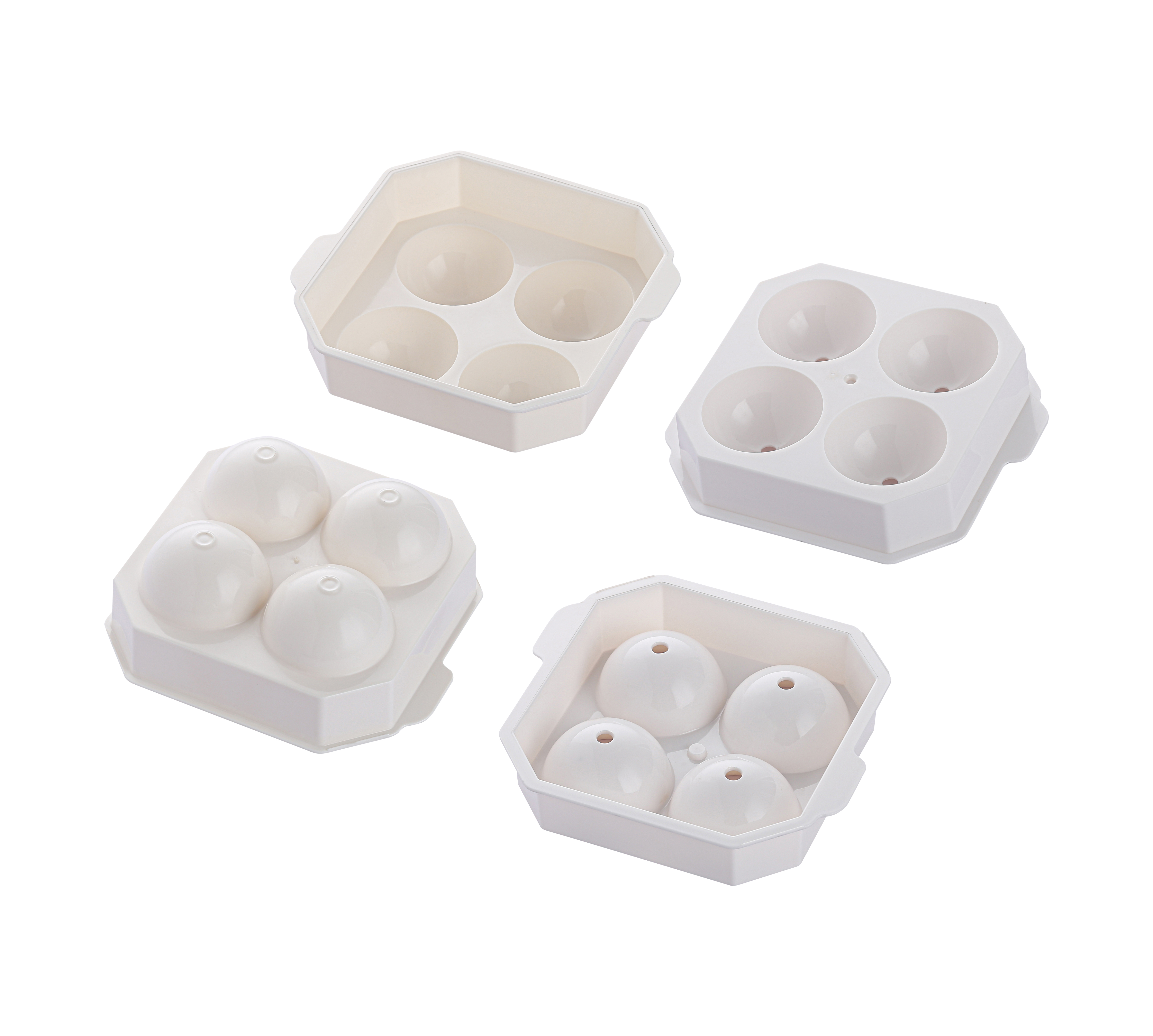
Ice Tray Manufacturing: Innovations & Supplier Sourcing Guide
Ice tray manufacturing turns a simple kitchen item into a product category with many sourcing choices. Buyers may be looking for basic ice cube trays, flexible silicone ice trays, or sphere ice molds used for slow-melting drink ice. The right supplier decision depends on material selection, mold design, release performance, packaging needs, and the supplier’s ability to answer quality and compliance questions clearly.
For retailers, wholesalers, importers, and OEM buyers, the goal is not only to find a low unit cost. It is to choose an ice cube trays supplier that can produce consistent products, communicate limitations honestly, and support the intended sales channel. This guide explains the main manufacturing considerations and gives practical questions to use when comparing suppliers.
Key Takeaways
- Ice tray manufacturing commonly involves plastic or silicone materials, with each offering different cost, flexibility, and release characteristics.
- Silicone ice trays are valued for flexibility and easier ice removal, while plastic trays can suit high-volume basic product lines.
- Sphere ice molds are popular because larger ice spheres melt more slowly than small cubes, which can be useful for beverage service.
- B2B buyers should verify material, food-contact suitability, packaging, inspection process, and customization options directly with the supplier.
How Ice Tray Manufacturing Works
At a basic level, ice tray manufacturing focuses on producing molds that hold water in defined cavities until it freezes. The product may look simple, but small design decisions affect user experience. Cavity shape, wall thickness, rim structure, lid design if included, and flexibility all influence how easily ice can be filled, carried, stacked, released, and cleaned.
Manufacturers may produce traditional cube trays, novelty shapes, covered trays, or sphere molds. Sphere ice molds require more attention to geometry because the mold must form a rounded piece of ice and release it without tearing or cracking the product. Multi-cavity molds are also common when buyers want several cubes or spheres from one tray.
For OEM or wholesale projects, buyers should ask whether the supplier makes the molds in-house or works with a tooling partner, what design files are required, and how changes are managed before mass production. Tooling decisions can affect lead time, sample approval, and the final cost structure.
Plastic vs. Silicone Ice Trays
The original product category often includes both plastic and silicone options. Plastic trays are familiar, rigid, and widely used for basic household ice cubes. Silicone ice trays have become popular because the material is flexible, making ice removal easier and reducing the risk of cracking during release. When a supplier describes silicone as food-grade or BPA-free, buyers should ask for documentation that supports the claim for the target market.
Material choice should follow the sales channel. A supermarket value line may need a different tray than a barware gift set or a premium beverage accessory. If the intended product is a sphere ice mold, silicone is often considered because flexibility helps users remove larger rounded ice pieces cleanly.
| Selection Point | Plastic Ice Trays | Silicone Ice Trays |
|---|---|---|
| Typical feel | Rigid and lightweight | Flexible and soft |
| Ice release | May require twisting or tapping | Usually easier to push out because of flexibility |
| Design suitability | Good for simple cube trays | Useful for shapes, larger cavities, and sphere molds |
| Buyer questions | Ask about material type, BPA-free status, and cracking resistance | Ask about food-contact documentation, odor control, and durability |
Why Sphere Ice Molds Are a Distinct Product
Sphere ice molds are more than a visual variation. Larger ice spheres have less exposed surface area relative to volume than many small cubes, so they can melt more slowly and dilute drinks at a slower pace. This makes them attractive for home bar users, restaurants, and mixology-focused retail assortments.
However, sphere molds can be more demanding to source. Buyers should check whether the mold aligns properly, whether water can be filled without excessive spilling, and whether the frozen sphere releases cleanly. If a lid or two-part mold is used, the closure should be simple for consumers to understand. Packaging should explain filling, freezing, and release steps clearly.
What to Ask an Ice Cube Trays Supplier
A reliable ice cube trays supplier should be able to discuss materials, tooling, sampling, quality control, and packaging without vague claims. Because commercial details vary by project, buyers should request written answers rather than assuming capacity, minimum order quantity, lead time, or certification status.
- What exact material is used for each tray component?
- Can the supplier provide food-contact or BPA-free documentation if required for the destination market?
- Are samples available before bulk production, and are they made from the same material as mass production?
- What visual and functional checks are performed before shipment?
- Can the supplier support private label packaging, barcode placement, or instruction inserts?
- What are the tooling requirements for a custom cavity shape or branded design?
- How are defects, color variation, odor complaints, or release-performance issues handled?
Design and Quality Factors for Wholesale Buyers
For bulk sourcing, the best ice tray design is one that consumers can use repeatedly without frustration. Look beyond the product photo. Request samples and test them under normal use conditions: fill the tray, move it to a freezer, stack it if stacking is part of the design, freeze it fully, release the ice, and wash the tray.
Important quality points include stable filling, clean edges, consistent cavity shape, acceptable odor level, smooth surfaces, and packaging strong enough for transport. If the product is a silicone ice tray, check whether it is flexible without feeling flimsy. If it is plastic, check whether twisting causes stress marks or cracking. For sphere molds, confirm whether the formed ice is reasonably round and easy to remove.
OEM and Private Label Considerations
OEM buyers may want custom colors, branded packaging, unique cavities, or a new mold shape. Before committing, clarify what can be customized with existing tooling and what requires a new mold. Existing tooling may be faster, while custom tooling gives more control over product identity but may require additional development time and approval steps.
Ask the supplier how they manage prototypes, sample revisions, color matching, packaging artwork, and pre-shipment inspection. If the product will be sold in multiple countries, confirm which labeling, language, and food-contact requirements apply. Suppliers should not be expected to guess the buyer’s legal obligations, so the buyer should provide target market requirements early in the project.
Practical FAQ
Are silicone ice trays better than plastic ice trays?
Not always. Silicone trays are flexible and often easier for ice release, while plastic trays can be suitable for simple, cost-sensitive assortments. The better choice depends on the target customer, product design, and required documentation.
What makes a good sphere ice mold?
A good sphere ice mold should fill cleanly, align well if it has multiple parts, form a usable rounded ice piece, and release without excessive force. Buyers should test samples before placing wholesale orders.
Should buyers ask for BPA-free proof?
Yes, if BPA-free positioning is important for the product or market. Ask the supplier what documents they can provide and whether they apply to the exact production material.
Can ice trays be customized for private label sales?
Many suppliers may offer packaging or color customization, and some may support custom molds. Buyers should ask what requires new tooling, what artwork files are needed, and how samples are approved.
How can importers reduce sourcing risk?
Request production samples, confirm material details in writing, define packaging requirements, set inspection criteria, and avoid relying on unsupported claims. Clear specifications help both buyer and supplier prevent disputes.
