




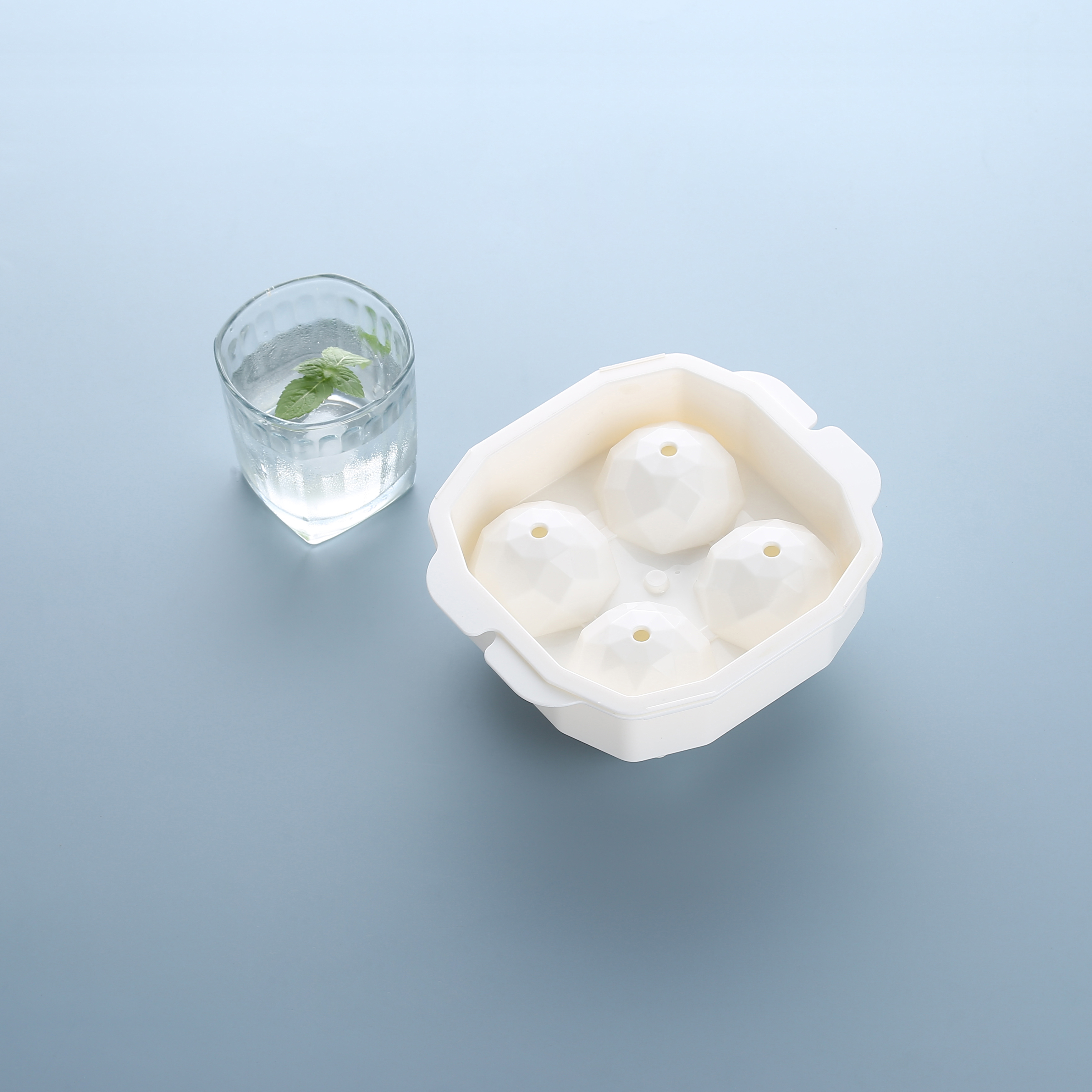
Ice Tray Manufacturing: Design, Materials, and Sourcing Guide
Ice tray manufacturing may look simple from the outside, but producing a reliable tray for home, retail, hospitality, or beverage use requires careful decisions about material, mold design, usability, packaging, and supplier control. A tray must release ice cleanly, fit common freezer spaces, resist cracking or deformation, and be easy for end users to clean. For B2B buyers, the real challenge is not only choosing an attractive product, but also confirming whether an ice cube trays supplier can support consistent production and clear communication.
This guide explains the main considerations behind modern ice tray production, including silicone ice trays, plastic ice ball makers, supplier evaluation, and practical questions to ask before placing an OEM, wholesale, or private-label order.
What Ice Tray Manufacturing Involves
Ice tray manufacturing starts with a product concept: cube size, ball shape, lid requirement, stacking style, color, packaging format, and intended sales channel. From there, the manufacturer typically develops or uses a mold that determines the shape, thickness, and release performance of the tray. The production method depends on the material and design. Plastic trays and ice ball makers are commonly formed using molded parts, while silicone ice trays require processes suited to flexible material.
Quality control is important because small variations can affect how the product performs. Uneven walls may make the tray harder to twist. Poorly designed cavities can trap ice. Lids that do not fit securely may spill water in transit from sink to freezer. For spherical molds, alignment matters because buyers expect a neat ice ball rather than two poorly matched halves.
Material Choices: Silicone Ice Trays and Plastic Designs
The original article highlights two common directions in the category: silicone ice trays and plastic ice ball makers. Silicone ice trays are popular because they are flexible, durable, and easy to use. Their flexibility helps users push ice out rather than twist a rigid tray aggressively. Silicone is also valued for its ability to handle freezer conditions without the cracking often associated with less flexible tray designs.
Plastic remains widely used for many ice tray formats, including some ice ball maker designs. The original product description notes an ice ball maker crafted from high-quality plastic, designed to create round ice balls that melt more slowly than small cubes in drinks. For buyers, the key is to avoid assuming all plastic or silicone products are equal. Ask the supplier what material is being used, whether it is suitable for food-contact applications in your target market, and what documentation can be provided.
Comparison Checklist for B2B Buyers
The best ice tray choice depends on the use case. A hotel bar, supermarket kitchenware shelf, online private-label brand, and promotional gift order may all need different features. Use the checklist below when comparing options from an ice cube trays supplier.
| Selection Point | Silicone Ice Trays | Plastic Ice Ball Makers or Trays | Questions to Ask Suppliers |
|---|---|---|---|
| Ice release | Flexible material can make release easier | Depends on mold design and rigidity | Can you provide samples for release testing? |
| Shape options | Common for cubes, large cubes, and specialty shapes | Common for rigid trays and ball molds | Which existing molds are available? |
| Durability | Known for flexibility and resistance to cracking in freezer use | Varies by plastic type and wall thickness | What material is used and how is it checked? |
| Cleaning | Often easy to rinse due to flexible cavities | Smooth surfaces may be easy to clean if well designed | Are cleaning instructions included? |
| Packaging | Can suit retail, online, or bundled sets | Often suitable for gift or beverage accessory packaging | What packaging options and artwork files are required? |
Ice Ball Maker Design Considerations
Ice ball makers are designed for users who want larger, round ice pieces for beverages. A larger sphere has less surface area relative to its volume than many small cubes, so it can chill a drink while slowing dilution. However, performance depends on the size of the mold, the way the two halves align, and how easily the frozen ball can be removed.
When sourcing an ice ball maker, check whether the product is easy to fill without overflow, whether it seals securely enough for freezer handling, and whether the finished ball is consistent. Buyers should also consider the user experience after freezing: if the mold is too stiff or the seam is difficult to open, reviews may suffer even if the concept is appealing.
How to Evaluate an Ice Cube Trays Supplier
A reliable ice cube trays supplier should do more than quote a unit price. B2B buyers should evaluate the supplier’s communication, sampling process, production controls, and willingness to answer technical questions. Avoid relying only on catalog photos, because photos rarely reveal wall thickness, lid fit, odor, mold marks, or ease of ice release.
- Request physical samples before confirming a bulk order.
- Ask what material is used and whether supporting documents are available for your market.
- Confirm whether the product is an existing mold or requires new tooling.
- Check available packaging formats, carton details, and labeling options.
- Ask how the supplier handles inspection, defects, and replacement procedures.
- Clarify lead time, order process, and export documentation before payment.
If you are planning OEM or private-label sourcing, also ask about artwork requirements, color matching process, logo application method, and who approves the final pre-production sample. These details should be confirmed in writing.
Quality Checks Before Placing a Wholesale Order
Before a wholesale order, test the product in real conditions. Fill the tray, carry it to the freezer, freeze it fully, remove the ice, wash it, and repeat. A basic cycle test can reveal problems that are not obvious during a showroom inspection. For an ice ball maker, confirm whether the two halves separate cleanly and whether the shape is acceptable after freezing.
For retail products, packaging deserves similar attention. A good ice tray can still disappoint buyers if the packaging is weak, unclear, or unsuitable for online shipping. Check whether the package explains how to fill and release the ice, especially for specialty products such as spherical molds.
Key Takeaways
- Ice tray manufacturing depends on mold design, material choice, usability, and consistent quality control.
- Silicone ice trays are valued for flexibility, durability, and easy ice release.
- Plastic ice ball makers can create round ice balls that chill drinks with slower dilution than smaller cubes.
- B2B buyers should request samples, confirm materials, review packaging, and ask clear supplier questions before ordering.
Practical FAQ
Are silicone ice trays better than plastic trays?
Not always. Silicone is flexible and often easier for ice release, while plastic can work well for rigid tray designs and ice ball makers. The better choice depends on the target user, price point, mold quality, and packaging plan.
What should I ask an ice cube trays supplier first?
Start with material, available molds, sample policy, packaging options, lead time, inspection process, and whether documentation is available for the product’s intended market.
Why are ice ball makers popular for drinks?
Round ice balls are often used for beverages because larger ice pieces can melt more slowly than many small cubes, helping reduce dilution while keeping the drink cold.
Can I order custom colors or private-label packaging?
Many suppliers may offer customization, but buyers should not assume it is available for every product. Ask about color matching, logo method, packaging artwork requirements, sample approval, and any commercial terms that apply.
How can I reduce sourcing risk?
Use written specifications, approve samples before production, test the product in freezer conditions, confirm packaging details, and agree on inspection standards before placing a bulk order.
