




Innovations in Can Opener Factories: Automatic & Manual Production Trends
Can openers remain a common kitchen tool for households, food service operators, promotional buyers, and retail programs. Behind this simple product is a factory process that can vary widely depending on the design, target price, packaging plan, and quality expectations. For B2B buyers, understanding how a can opener factory approaches automatic and manual production is useful before requesting samples or comparing suppliers.
The original discussion highlighted several important themes: automatic can opener manufacturing can improve consistency and production efficiency, while manual can opener production can support traditional designs, flexible assembly, and affordable product options. Some factories also explore multi-functional kitchen tools, such as designs that combine an opener with another everyday function. This rewritten guide expands those ideas into practical sourcing guidance.
Key Takeaways
- Automatic production is often used where consistency, repeatability, and higher output are priorities.
- Manual assembly remains relevant for simpler models, smaller batches, product adjustments, and hands-on inspection.
- Buyers should verify materials, blade performance, handle comfort, packaging, and inspection procedures rather than relying on broad claims.
- Multi-functional designs may add value, but only if they remain easy to use, clean, and explain on retail packaging.
How a Can Opener Factory Typically Approaches Production
A can opener factory usually coordinates several stages: product design confirmation, material sourcing, component forming, blade or wheel preparation, handle production, assembly, inspection, packaging, and shipment preparation. The exact process depends on whether the product is a basic manual opener, an ergonomic hand tool, a multi-purpose kitchen gadget, or an automatic can opener.
For sourcing teams, the important point is not simply whether a factory uses machines or hand assembly. A stronger question is how each stage is controlled. For example, buyers may ask how cutting components are checked, how handle fit is verified, how finished units are sampled, and what packaging tests are performed for export cartons. If the supplier cannot provide clear process information, it becomes harder to compare offers beyond price.
Automatic Can Opener Manufacturing: Where It Adds Value
Automatic can opener manufacturing can involve automated cutting, shaping, assembly support, and repeatable inspection steps. In many factories, automation is used to reduce variation in repetitive operations and to improve production speed. This can be especially important for larger wholesale programs where the same item must be produced consistently across many cartons.
However, buyers should avoid assuming that automation alone guarantees a better product. The key is how automation is applied. A well-organized supplier should be able to explain which production steps are automated, which are manually checked, and how nonconforming pieces are separated. Buyers should also ask whether automatic equipment is used for the complete product or only for selected components.
Manual Can Opener Production Still Has a Role
Manual can opener production remains common because many designs are mechanically simple and can be assembled efficiently by trained workers. Manual assembly can also be useful when a product includes small variations, mixed packaging, private-label requirements, or a design that benefits from hands-on alignment and final checking.
Traditional manual openers may appeal to markets that prioritize low maintenance, no need for electricity, simple storage, and familiar use. The original article noted that some manual designs integrate extra functions, such as a bottle opener. When considering these models, buyers should review whether the added feature is practical or merely decorative. A multi-function tool should not make the main can-opening action uncomfortable or confusing.
Automatic vs. Manual Production: Sourcing Comparison
| Factor to Compare | Automatic Production | Manual Production | Buyer Checklist |
|---|---|---|---|
| Best fit | Large, repeatable orders with stable specifications | Simple tools, flexible runs, mixed designs | Ask what order types the supplier handles most often |
| Consistency | Can be strong when tooling and inspection are controlled | Depends heavily on worker training and final checks | Request sample evaluation and inspection criteria |
| Design flexibility | May require tooling changes for new structures | Can be easier for small adjustments | Confirm lead time for design or packaging changes |
| Cost drivers | Equipment, tooling, volume, setup time | Labor, component supply, assembly time | Ask for a cost breakdown if comparing models |
| Quality risks | Repeated defects if setup is wrong | Variation between operators or shifts | Clarify incoming, in-process, and final inspection steps |
Product Design Trends Buyers Should Watch
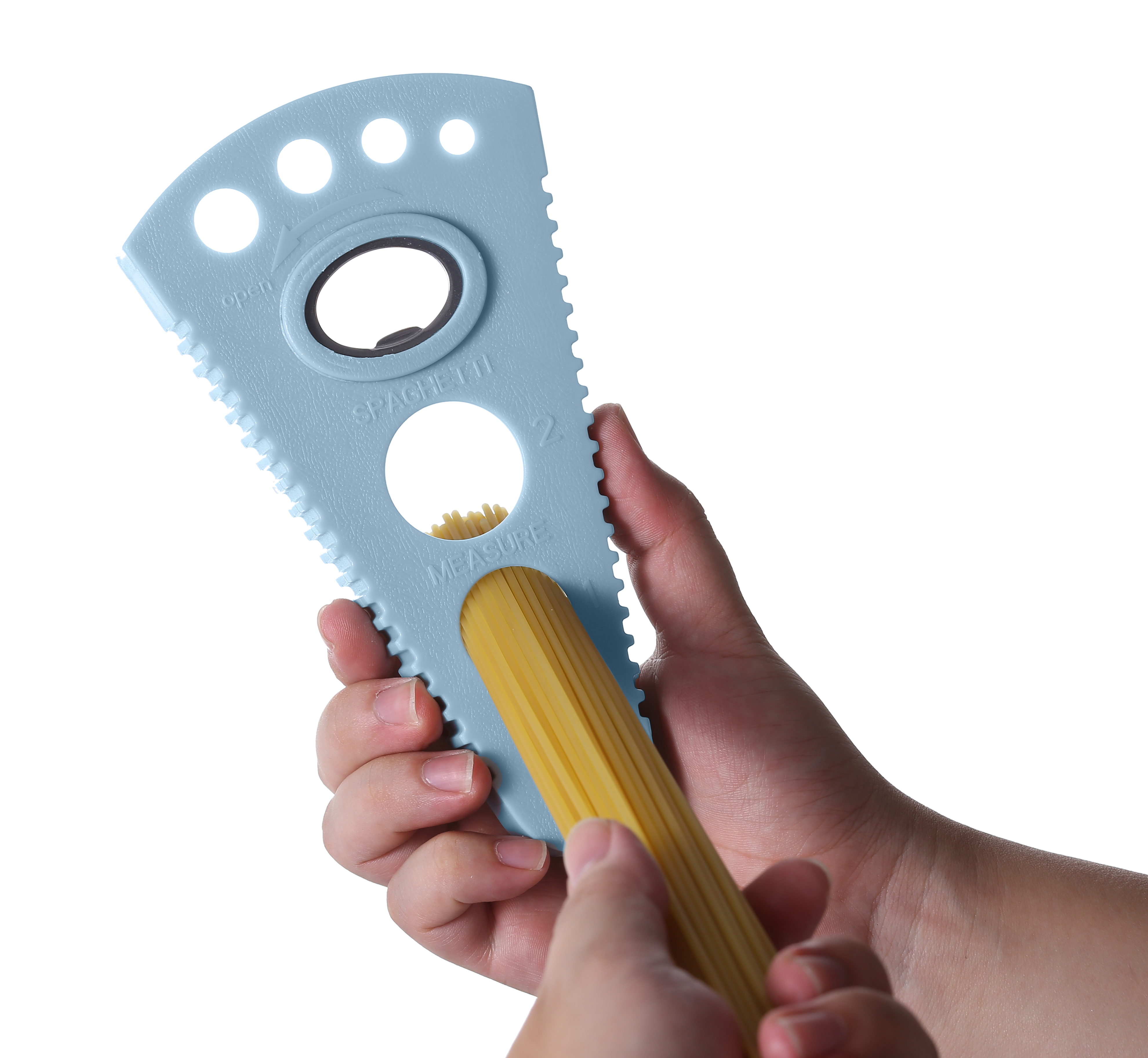
Can opener factories are responding to demand for more convenient kitchen tools. Some trends include ergonomic handles, compact storage, integrated bottle-opening functions, and multi-purpose concepts inspired by kitchen tools that measure, open, or perform more than one task. These ideas can help a product stand out in retail or promotional channels, but they also introduce new sourcing questions.
Before selecting a multi-functional opener, buyers should test whether each function works naturally. If a product combines a can opener with another kitchen task, the main opener mechanism should still be stable, easy to grip, and straightforward to clean. Packaging should also explain the functions clearly, because a confusing product may increase customer complaints even if the design looks interesting.
Quality Questions to Ask a Can Opener Supplier
Since buyers should not rely on general statements such as high quality or durable construction, a sourcing conversation should focus on verifiable details. Useful questions include:
- What materials are used for the blade, wheel, handle, and frame, and can the supplier provide the specification for the quoted model?
- How are sharp or cutting components inspected during production?
- What functional test is used to confirm the opener works on standard cans?
- How does the factory check handle attachment, alignment, and movement?
- What packaging options are available for retail, wholesale, or private-label programs?
- What information is needed to quote OEM changes, such as color, logo, handle shape, or packaging artwork?
- Which standards, reports, or compliance documents can be supplied for the destination market, if required?
OEM and Wholesale Buying Considerations
For OEM or wholesale can opener projects, buyers should prepare a concise brief before contacting suppliers. This brief should include target market, expected order volume, preferred design type, packaging format, logo requirements, inspection expectations, and any destination-market compliance needs. If the buyer does not yet know the exact material or structure, sharing reference photos and desired price level can help the supplier recommend practical options.
It is also important to compare samples under realistic conditions. Test the opener with several common can sizes, check whether the grip feels secure, and inspect the edge condition after opening. For automatic models, review battery or power requirements if applicable, ease of cleaning, user instructions, and replacement or after-sales expectations. For manual models, check turning smoothness, handle comfort, and whether the opener slips during use.
Future Trends in Can Opener Factory Development
The future of can opener production will likely continue to combine automatic processes with manual oversight. Factories may use automation for repeatable component work while keeping trained workers involved in assembly review, packaging checks, and product adjustments. This hybrid approach can support both efficiency and flexibility, especially for buyers managing several product lines.
Sustainability is also a topic many buyers now raise, but it should be discussed carefully. Instead of accepting vague claims, ask suppliers about packaging reduction options, recyclable packaging materials, product repairability, and whether they can provide documentation for any environmental statements. Clear evidence is more useful than broad marketing language.
Practical FAQ
Is an automatic can opener factory always better than a manual can opener factory?
No. Automatic production can support consistency and speed, but manual production can be suitable for simple tools, flexible projects, and smaller design variations. The better option depends on the product brief, volume, budget, and quality control process.
What should I check first when sourcing can openers?
Start with function. Test whether the opener grips the can properly, cuts smoothly, feels comfortable, and leaves an acceptable result. Then review materials, packaging, inspection procedures, and supplier communication.
Can I request a can opener with a bottle opener or another function?
Many suppliers can discuss multi-functional kitchen tool concepts, including integrated openers. Ask for existing models, tooling requirements, sample timing, and whether the added function affects comfort or reliability.
What information should I provide for an OEM quote?
Provide design references, quantity estimate, target market, packaging type, logo needs, color preferences, inspection requirements, and any compliance documents needed for your sales region. This helps the supplier give a more accurate response.
