




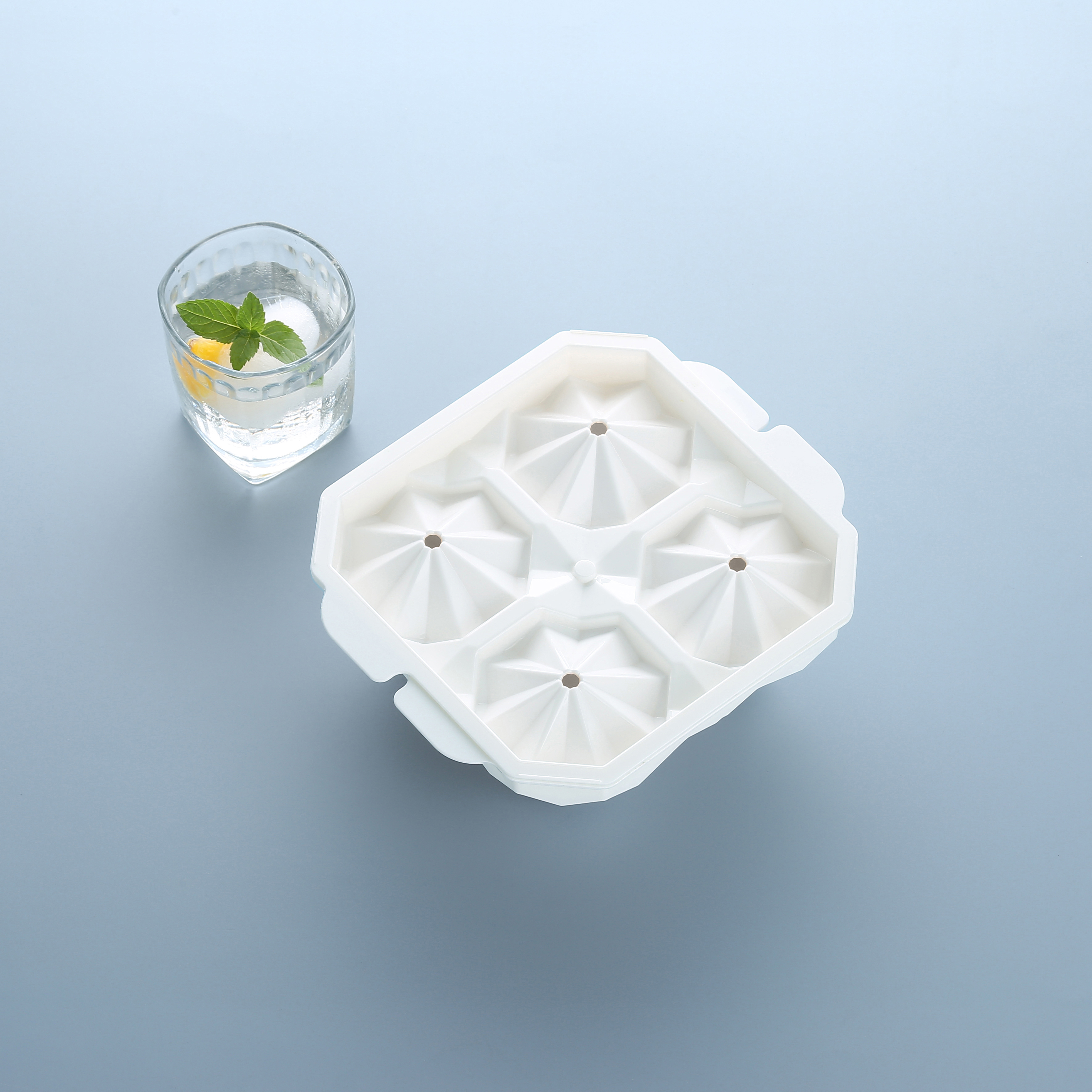
Innovative Ice Cube Tray Manufacturer Solutions
Finding the right ice cube tray manufacturer is not only about choosing a shape. For retailers, hospitality suppliers, promotional product buyers, and kitchenware brands, the real task is to match product design, user experience, packaging, and commercial requirements with a supplier that can produce consistently. The original focus of this article was the octagon ice mould, custom ice cube trays, and innovation in ice tray production. Those remain useful starting points, but a stronger sourcing decision requires more detailed questions.
Ice cube trays look simple, yet small differences affect how consumers use them. A tray may need to release ice cleanly, fit in common freezer drawers, stack without spilling, or create a distinctive shape for cocktails, iced tea, juice, or everyday drinks. Custom ice cube trays can also support private label programs, seasonal promotions, and product line extensions. The sections below explain how buyers can evaluate options without relying on unsupported claims.
Key Takeaways
- Start with the intended buyer and use case before selecting a mould shape, color, or packaging format.
- Ask suppliers to confirm material, dimensions, sample availability, packaging options, and quality inspection steps in writing.
- For custom ice cube trays, clarify tooling, artwork, color matching, lead time, and ownership of moulds before ordering.
- Do not assume freezer performance, durability, or compliance details; request documentation and test samples.
- An octagon ice mould can help differentiate a kitchenware line, but usability and consistent production matter more than novelty alone.
What an Ice Cube Tray Manufacturer Actually Provides
An ice cube tray manufacturer may provide standard moulds, private label packaging, color customization, new product development, or OEM production. Some suppliers focus on existing designs, while others support custom tooling for shapes such as octagonal compartments. Buyers should identify which level of service they need before asking for a quotation.
A standard tray can be suitable for fast assortment building, especially when timing is more important than exclusivity. A custom ice cube tray may be better when a brand wants a specific shape, tray size, logo concept, or packaging presentation. The octagon ice mould mentioned in the source is an example of a shape-led concept: it creates a more geometric ice form than a basic cube tray and may appeal to beverage, entertaining, or gift-focused categories.
Product Design Factors Buyers Should Compare
Design affects both the consumer experience and the cost of production. Before selecting an ice tray production partner, review the tray as a complete product rather than a simple mould. Important factors include compartment shape, total tray footprint, stacking behavior, ease of filling, release method, color options, and packaging compatibility.
For example, a tray with precise compartments can produce more uniform ice shapes, but the buyer should still test whether the ice releases easily after freezing. A shape such as an octagon may look attractive in a glass, but it must be practical for everyday use. If the tray is difficult to twist, spills during transfer to the freezer, or takes up too much shelf space, repeat purchase potential may suffer.
Comparison Checklist for Sourcing Ice Cube Trays
| Checkpoint | What to Ask the Supplier | Why It Matters |
|---|---|---|
| Material details | What material is used, and can you provide supporting documentation? | Material affects flexibility, safety review, durability, and buyer compliance checks. |
| Tray dimensions | What are the overall size and compartment dimensions? | Retailers and consumers need trays that fit freezers, shelves, and packaging plans. |
| Ice release | Can samples be tested for release after freezing? | Easy removal is one of the most important user-experience factors. |
| Custom design | Can you support custom shapes, colors, or packaging? | Custom options help brands differentiate but may affect cost and timelines. |
| Quality control | What inspections are performed before shipment? | Consistent production reduces returns, defects, and customer complaints. |
| Commercial terms | What are the MOQ, lead time, payment terms, and sample process? | These details determine whether the supplier fits the buyer's purchasing plan. |
Custom Ice Cube Trays: OEM Questions to Ask
Custom ice cube trays can be useful for brands that want a unique shape, coordinated color palette, or private label presentation. However, customization should be managed carefully. Buyers should ask whether the supplier can work from drawings, reference samples, or 3D files. If tooling is needed, clarify who pays for it, who owns it, whether it can be used for other customers, and how revisions are handled.
Color is another common customization point. The original article mentioned pastel hues, which can be attractive for kitchenware assortments. If color consistency matters, ask about color matching methods, tolerance, and pre-production samples. Packaging should also be discussed early. A tray intended for e-commerce may need different packaging protection than a tray sold through retail shelves or wholesale cartons.
Ice Tray Production and Quality Control
Reliable ice tray production depends on repeatable processes. Buyers do not need to know every factory detail, but they should understand how the supplier controls variation. Ask how dimensions are checked, how visual defects are identified, and whether samples from mass production are retained. If the tray has a distinctive octagonal design, the shape should remain consistent across compartments and production batches.
It is also important to request real samples before confirming a bulk order. Test them in normal home freezer conditions, fill them to a typical level, stack them if that is part of the intended use, and remove the ice after freezing. Check for cracking, odor, staining, warping, packaging fit, and user comfort. These observations help buyers avoid relying only on catalogue photos.
How to Evaluate Supplier Fit for Wholesale and Private Label Orders
For B2B sourcing, the best manufacturer is not always the one with the lowest unit price. A suitable supplier should communicate clearly, provide accurate product information, respond to technical questions, and document agreed details. This is especially important for wholesale programs where a single issue can affect many end customers.
Before placing an order, buyers should prepare a written specification sheet. It can include product name, intended material, size, shape, color, packaging, carton requirements, labeling needs, inspection expectations, sample approval process, and shipment timeline. If any information is not available, ask the supplier directly rather than assuming. Avoid accepting vague claims such as high quality or eco-friendly unless the supplier can explain what those terms mean and provide evidence where required.
Consumer Use Considerations That Affect Product Success
Even when the buyer is a wholesaler or brand owner, consumer use should guide the final selection. A successful ice cube tray should be easy to fill, carry, freeze, release, clean, and store. It should also produce ice that suits the beverage occasion. Larger or shaped ice pieces may work well for cocktails and presentation, while smaller compartments may suit everyday cold drinks.
The octagon ice mould concept can give a product a more distinctive look, but a buyer should still consider whether the target consumer values that shape. For a gift set, beverage accessory line, or entertaining category, the visual form may be a strong selling point. For a budget household range, simplicity, stacking, and price sensitivity may be more important.
FAQ
What should I ask an ice cube tray manufacturer first?
Start with material, dimensions, available designs, customization options, sample process, MOQ, lead time, packaging, and quality control. These answers show whether the supplier can match your sourcing needs.
Are custom ice cube trays worth developing?
They can be worthwhile when shape, color, branding, or packaging helps your product stand out. They may not be necessary if you need a basic tray quickly or want to test demand with a standard design first.
What makes an octagon ice mould different?
An octagon ice mould creates a geometric ice shape that can look more distinctive than a standard cube. Buyers should still test release, freezing performance, and freezer fit before placing a wholesale order.
How can I compare ice tray production quality?
Request samples, inspect dimensions and finish, test ice release after freezing, check packaging, and ask how the supplier manages production inspections before shipment.
Should I request certifications or compliance documents?
Yes, if your market, retailer, or product category requires them. Ask the supplier what documents are available and have them reviewed against your target market requirements.
Final Sourcing Advice
An effective ice cube tray sourcing project balances design appeal with practical performance. Whether you choose a standard tray, a custom color range, or an octagon ice mould, confirm the details through samples, written specifications, and clear supplier communication. That approach helps buyers reduce risk and build a product that is useful, consistent, and appropriate for the intended market.
