




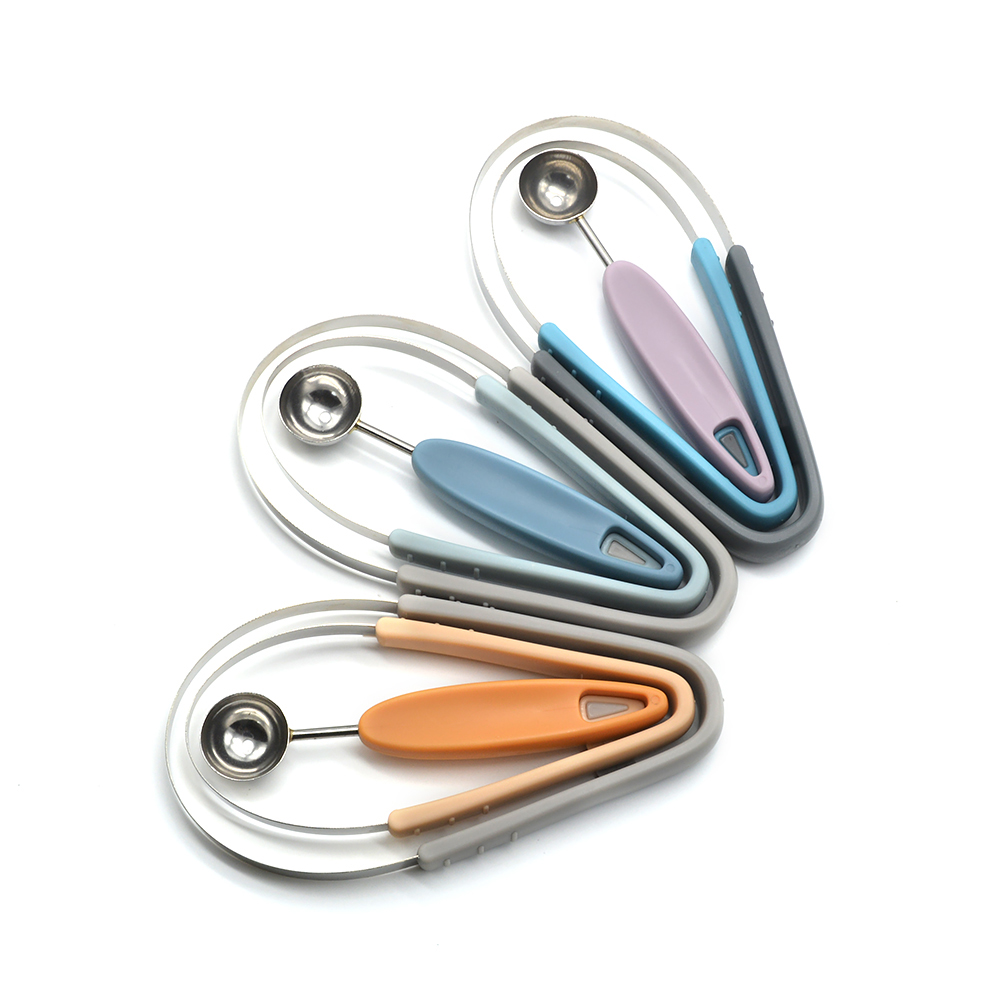
Innovative Nesting Fruit Scoop Factory Solutions
For kitchenware brands, wholesalers, promotional product buyers and retail importers, a nesting fruit scoop is a small product with several important sourcing details. The item looks simple, but the buying decision involves tool performance, material choice, handle comfort, storage efficiency, packaging, quality control and supplier communication. A specialized nesting fruit scoop factory can help buyers turn a basic kitchen tool into a practical set for fruit preparation, dessert plating, cocktails, catering and home kitchens.
This guide explains what to review before placing an OEM, wholesale or private-label order. It keeps the focus on sourcing decisions rather than broad promotional claims, so buyers can compare factories more clearly and ask the right questions before committing to production.
Key Takeaways
- A nesting design helps reduce storage space and can improve retail presentation when the set is well packaged.
- Important product questions include scoop head material, edge smoothness, handle grip, nesting stability and cleaning convenience.
- Buyers should request samples, packaging artwork reviews and clear quality criteria before mass production.
- A kitchenware factory should be evaluated on communication, process control, customization ability and documented inspection steps.
What Makes a Nesting Fruit Scoop Different?
A traditional fruit scoop is usually sold as a single utensil. A nesting fruit scoop set is designed so multiple scoop sizes or related tools can store together compactly. This is useful for consumers with limited drawer space and for retailers that want an organized, easy-to-display product. The original concept also supports food presentation: different scoop sizes can create melon balls, dessert garnishes, fruit salads and cocktail accents.
When evaluating a design, buyers should look beyond the number of pieces. A good nesting structure should hold together securely without making the tools difficult to separate. If the set includes scooping heads and handles of different shapes, the buyer should test whether each piece is comfortable to use repeatedly. For hospitality and catering buyers, comfort matters because repetitive preparation can quickly expose weak handle design.
Factory Capabilities Buyers Should Verify
A specialized kitchenware factory may offer advantages over a general trading supplier, especially when tooling, finishing, packaging and inspection are involved. However, buyers should not assume every factory has the same capability. Instead, ask specific questions and request evidence through samples, production photos, inspection reports or video calls.
Useful questions include: Does the supplier manufacture the scooping heads in-house or source them from another workshop? What materials are available for the scoop head and handle? Can the factory produce stainless steel scooping heads as described in the product concept? What handle finishes are possible, and how is a non-slip grip achieved if required? Can the nesting arrangement be modified for a retailer’s packaging size? These questions help buyers understand whether the supplier can support a standard order, an OEM project or a custom private-label program.
Material, Ergonomics and Use Performance
The original article highlights stainless steel as a suitable material for scooping heads because of durability, hygiene and effective cutting performance. If stainless steel is required, buyers should confirm the exact material specification with the supplier instead of assuming a grade. Ask for the material declaration, finishing method and cleaning guidance. The edge should be smooth enough to be safe in normal use while still efficient for forming fruit spheres.
Handle design is equally important. A comfortable, non-slip grip can reduce hand fatigue, but buyers should verify the grip material, texture and durability through sample testing. A handle that feels secure when dry may behave differently when wet with fruit juice. If the target market includes professional kitchens, test the tool with melon, watermelon, papaya and similar fruits to assess comfort and control.
Comparison Checklist for Supplier Evaluation
| Evaluation Area | What to Check | Questions to Ask the Factory |
|---|---|---|
| Nesting design | Tools fit compactly and separate easily | Can the nesting layout be adjusted for our packaging? |
| Scoop head | Smooth edge, suitable depth and consistent finish | What material options and finishing processes are available? |
| Handle comfort | Secure grip during wet and repetitive use | How is the non-slip effect produced and tested? |
| Packaging | Retail-ready structure, barcode area and branding space | Can you provide dielines, samples and carton details? |
| Quality control | Incoming material, in-process and final inspection | What inspection criteria will be used before shipment? |
| Customization | Logo, color, set configuration or packaging changes | What are the development steps, costs and lead times? |
OEM and Wholesale Sourcing Process
For B2B buyers, the safest approach is to manage the project in stages. A nesting fruit scoop may be inexpensive per unit, but errors in finish, handle feel or packaging can create returns and customer complaints. A structured process helps reduce risk.
- Define the product brief: List the number of pieces, scoop sizes, target retail channel, preferred materials, handle style and packaging format.
- Request reference samples: Ask the supplier for existing models first, then compare them with your target price and market positioning.
- Review customization options: Confirm logo placement, handle color, packaging artwork and whether tooling changes are needed.
- Test function and cleaning: Use the samples with different fruits and check whether pulp sticks in corners or between nested parts.
- Confirm quality standards: Agree on acceptable appearance, burr control, handle attachment, packaging condition and carton labeling.
- Approve pre-production samples: Do not rely only on images if color, grip or nesting fit is important.
Packaging and Retail Presentation
Because a nesting fruit scoop set is often purchased for convenience, packaging should communicate the storage benefit clearly. Buyers can consider card packaging, blister packaging, box packaging or hangable retail formats, depending on the sales channel. For e-commerce, packaging should protect the scoop heads and handles during transit. For retail shelves, the nesting layout should be visible enough for shoppers to understand the set configuration.
Before production, confirm whether the supplier can provide packaging dielines, warning text space, barcode placement and carton marks. If the product will be sold in a regulated market, buyers should consult their own compliance adviser and ask the supplier what documentation can be provided, without assuming certifications or test results that have not been verified.
Quality Control Points Before Shipment
Fruit scoop quality depends on small details. Buyers should inspect whether scoop edges are even, whether metal surfaces are free from sharp burrs, whether handles are firmly attached and whether each piece nests consistently. Visual defects may be acceptable or unacceptable depending on the market, so define standards in advance.
For wholesale orders, it is useful to create a checklist covering product dimensions, weight tolerance if relevant, surface finish, handle color, logo placement, packaging print quality and carton condition. If third-party inspection is needed, share the approved sample and inspection criteria with both the factory and inspector.
Practical FAQ
What should I ask a nesting fruit scoop factory first?
Start with material options, available set configurations, sample availability, customization methods, packaging choices and quality inspection steps. These answers reveal whether the supplier is suitable for OEM or wholesale sourcing.
Is stainless steel always required for the scoop head?
Stainless steel is commonly preferred for durability, hygiene and scooping performance, and it is mentioned in the original product concept. Buyers should still confirm the exact material specification and finish with the supplier.
How can I test the nesting design?
Check whether the tools stay together during handling, separate without force and fit neatly into the planned packaging. Test several samples, not just one piece.
Can a fruit scoop set be customized for private label?
Many kitchenware suppliers may offer logo, color or packaging customization, but buyers should confirm tooling needs, artwork requirements, sample fees, lead times and minimum order expectations directly with the supplier.
What quality issues are most common?
Potential issues include rough edges, weak handle attachment, inconsistent finish, poor nesting fit, packaging damage and color mismatch. Clear specifications and sample approval help reduce these risks.
Final Sourcing Advice
A reliable nesting fruit scoop factory should help buyers balance function, storage convenience, appearance and production control. The best sourcing decision is not only about unit price. It is about whether the supplier can deliver a consistent tool that works well, stores compactly and meets the expectations of the intended market. By asking detailed questions and testing samples carefully, buyers can build a more dependable kitchenware product line.
