




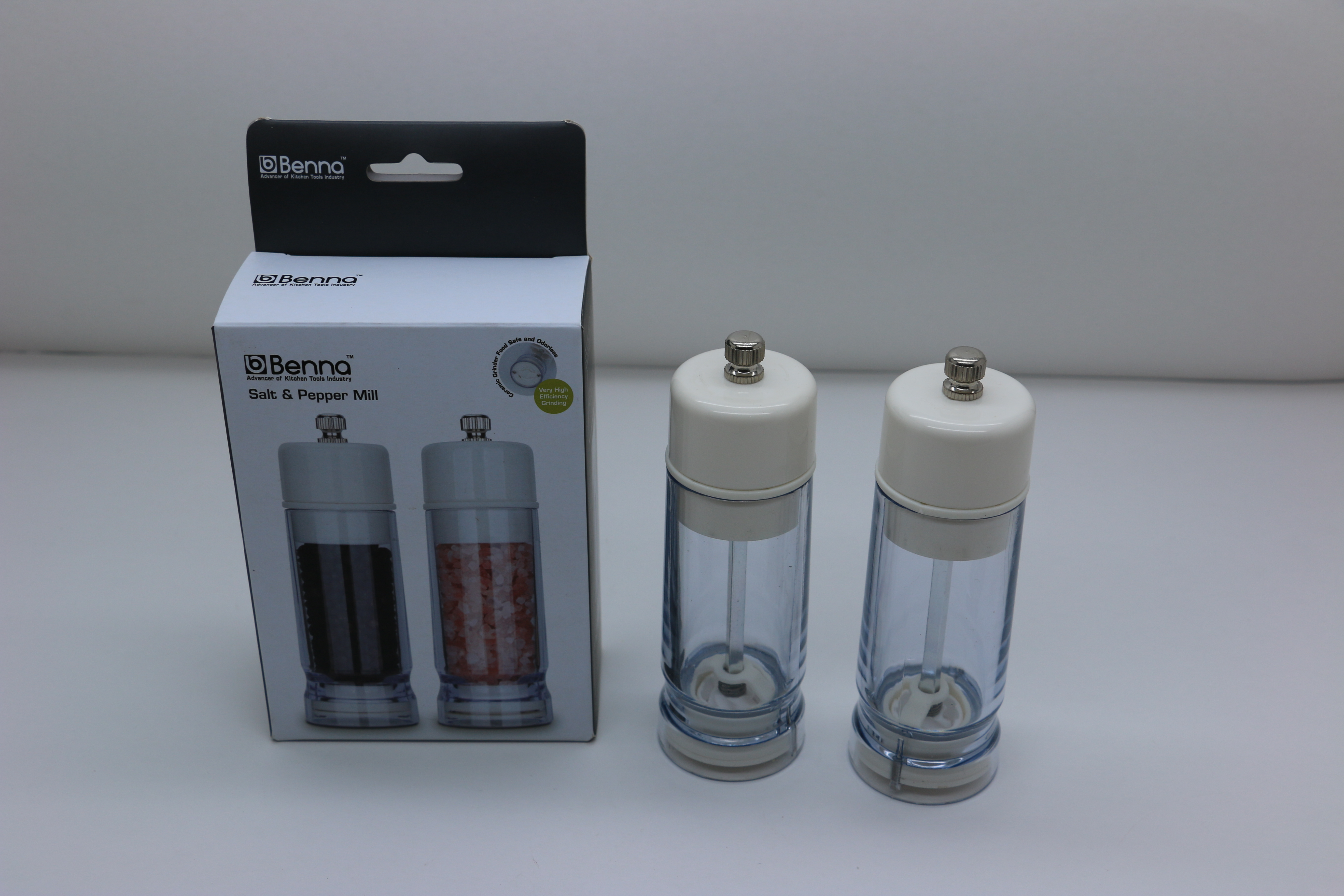
Innovative Pepper Grinder Manufacturing: Precision & Style
Pepper grinder manufacturing sits at the intersection of product design, component sourcing, assembly quality, and user experience. For retailers, importers, hospitality buyers, and private-label brands, the goal is not simply to find a pepper mill that looks appealing. The more important task is to select a supplier that can explain how the grinder is built, how consistency is controlled, and which design choices fit the intended market.
The original discussion highlighted the role of pepper mill suppliers, production stages, ceramic grinders, transparent containers, adjustable grind settings, ergonomic design, and resistance to wear and corrosion. Those are useful starting points, but B2B buyers need a more structured sourcing approach. Before placing an OEM, wholesale, or custom order, buyers should compare samples, confirm component options, and ask clear questions about testing, packaging, and after-sales support.
Key Takeaways
- Pepper grinder sourcing should begin with intended use: home retail, gift sets, restaurant service, or promotional programs.
- Important areas to review include the grinding mechanism, container design, adjustment system, comfort, assembly quality, and packaging protection.
- Do not rely only on appearance. Request samples and test grind consistency, filling convenience, stability, and durability in realistic use.
- For OEM or private-label projects, ask suppliers what customization is available and what requirements, costs, and timelines apply.
The Role of Pepper Mill Suppliers in the Supply Chain
Pepper mill suppliers connect product concepts with workable production. Their role may include sourcing grinding components, coordinating transparent containers, arranging assembly, managing packaging, and supporting customization. A strong supplier should be able to explain which parts are standard, which can be customized, and where the limits are.
When evaluating pepper mill suppliers, avoid vague claims such as “high quality” or “premium material” unless they are backed by specific information. Ask what grinder mechanism options are available, how the adjustment system works, and what materials are used for the body, cap, and internal parts. If corrosion resistance or wear resistance is important for your market, request an explanation of the relevant components and any supporting documentation the supplier can provide.
How Pepper Mill Production Usually Flows
Pepper mill production generally moves through several practical stages: product design, component selection, tooling or mold confirmation when needed, sample production, assembly planning, quality checks, packaging, and shipment preparation. The details vary by product type and supplier, so buyers should not assume every factory follows the same process.
For adjustable pepper grinders, production must account for how easily users can change coarseness and whether the setting remains stable during use. For transparent containers, the supplier should consider clarity, wall thickness, resistance to cracking during shipping, and how the design supports filling and cleaning. Ergonomic elements such as the grip, turning force, and balance also matter because a pepper mill is handled repeatedly.
Component Choices That Affect Performance
The grinder mechanism is one of the most important components because it influences particle size, smoothness, and long-term usability. The original article mentioned ceramic grinders, which are commonly discussed in pepper mill sourcing. However, buyers should still confirm the exact component offered for the specific product, because mechanism type can vary by design and price point.
The container is another major decision. Transparent containers allow users to see the remaining spice level, which can be useful in home kitchens and food service settings. Buyers should check whether the container is easy to refill and whether the opening size is practical. Caps, knobs, adjustment rings, and base parts should also be reviewed because small details often determine whether a grinder feels reliable or frustrating.
| Selection Area | What to Check | Questions to Ask a Supplier |
|---|---|---|
| Grinding mechanism | Consistency, smoothness, adjustment range | What mechanism options are available for this model? |
| Container design | Transparency, refill access, stability | What material is used, and how is it protected in packaging? |
| Ergonomics | Grip comfort, turning force, balance | Can samples be tested before confirming an order? |
| Assembly quality | Fit, alignment, loose parts, cap security | What in-process and final checks are performed? |
| OEM packaging | Retail presentation, carton strength, labeling | What packaging customization is possible? |
Quality Checks for Wholesale and OEM Buyers
Quality control in pepper grinder manufacturing should focus on real use, not only visual inspection. A product can look acceptable in photos but perform poorly after repeated grinding. Buyers should create a sample evaluation checklist before approving production.
- Fill the grinder with peppercorns of a typical size and test fine, medium, and coarse settings.
- Check whether the adjustment system is easy to understand and remains in place.
- Turn the grinder repeatedly to assess comfort, slipping, and required force.
- Inspect the container, cap, and base for cracks, sharp edges, loose parts, or poor alignment.
- Review packaging by simulating handling and checking whether the product is protected.
If the order is for a retailer or hospitality chain, consider testing several samples rather than one unit. This helps reveal variation between pieces. Ask the supplier how they define acceptable quality, what inspection steps they use, and whether they can support third-party inspection if your purchasing process requires it.
OEM and Private-Label Sourcing Considerations
Private-label pepper grinder projects often involve logo placement, color selection, packaging design, bundled gift sets, or changes to the external appearance. Before assuming a supplier can deliver a custom design, ask which elements are available as standard customization and which require new tooling, additional cost, or longer lead time.
Important commercial details should be confirmed directly with the supplier, including minimum order quantity, sample fees, production lead time, packaging requirements, payment terms, and shipping options. Do not rely on general industry assumptions. If compliance documents are required for your sales market, ask the supplier what documentation is available and whether the specific product has been reviewed for your intended market requirements.
Matching Pepper Grinder Design to Market Use
A pepper grinder for a retail kitchenware shelf may prioritize appearance, gift packaging, and an intuitive refill process. A grinder for restaurant service may need stability, fast refilling, and durability under frequent handling. A promotional pepper mill may focus on logo visibility and cost control, while a premium gift set may require coordinated packaging and a more refined finish.
For this reason, product selection should start with the buyer’s channel and user scenario. Share the target market, expected retail positioning, packaging style, and usage environment with the supplier. A capable supplier should help identify whether an existing model is suitable or whether customization is necessary.
Practical FAQ
What should I ask before sourcing pepper grinders from a supplier?
Ask about the grinder mechanism, body and container materials, adjustment method, available samples, quality checks, packaging options, customization scope, lead time, MOQ, and after-sales handling. Request clear answers tied to the exact model you are considering.
Are ceramic grinders always the best option?
Ceramic grinders are often valued in pepper mill discussions, and the original article referenced them. However, the best choice depends on the product design, price target, and intended use. Confirm the actual mechanism used in the sample and test performance before approval.
How can I judge grind consistency?
Test the same peppercorns at different settings and compare the output visually and by feel. Look for whether the grinder produces the expected coarseness, whether it jams, and whether the setting changes during use.
What makes a pepper grinder suitable for OEM projects?
A suitable OEM product has a stable base design, reliable component supply, clear customization options, packaging flexibility, and a supplier willing to document specifications and approval samples. Buyers should confirm all commercial and technical details before mass production.
Should I choose an existing model or request a custom design?
An existing model is usually more straightforward for testing and sourcing. A custom design may be useful when a brand needs a distinct appearance or feature set, but it can require tooling, longer development, and more detailed approval work.
Conclusion: Source for Performance, Not Just Appearance
Pepper grinder manufacturing combines design, precision assembly, supplier coordination, and practical usability. For B2B buyers, the most reliable sourcing decisions come from structured evaluation: review components, test samples, compare packaging, and ask specific questions about production controls. A pepper mill should look appropriate for its market, but it must also grind consistently, feel comfortable, refill easily, and arrive safely. By treating supplier selection as a technical and commercial process, buyers can reduce risk and build a stronger product line.
