




Inside a Pumpkin Carving Knife Factory: A Practical Buyer Guide
Pumpkin carving knives look simple, but sourcing them well requires more than choosing a festive design. Retailers, importers, promotional buyers, and kitchenware brands need tools that cut predictably, feel comfortable in hand, and suit seasonal packaging and merchandising plans. The original article highlights precision, ergonomic handles, durable blades, serrations, safety awareness, and a related 3-piece nesting utensil set with a serrated knife and space-saving design. This rewritten guide keeps those useful points while focusing on how B2B buyers can evaluate a pumpkin carving knife factory without relying on unverified claims.
Why Pumpkin Carving Knives Need Purpose-Built Design
A pumpkin is not the same as bread, meat, or soft fruit. Its outer shell can be firm, while the inside is fibrous and wet. A general kitchen knife may be too long, too sharp for family craft use, or difficult to control around curved shapes. A purpose-built carving knife usually emphasizes controlled cuts, a manageable blade length, and a handle that supports steady pressure.
For seasonal programs, buyers should define the intended user before discussing specifications. Is the product aimed at adult hobbyists, family carving kits used with supervision, school craft events, or promotional giveaways? Each use case affects blade profile, handle size, packaging language, and the type of safety instructions that may be needed.
What Happens Inside a Pumpkin Carving Knife Factory
A responsible factory discussion should cover the full production route, from tool concept to packed goods. Buyers do not need confidential process details, but they should understand how the supplier controls consistency. Key areas include material selection, blade forming, serration quality, handle attachment or molding, edge finishing, cleaning, inspection, and final packing.
The original article refers to durable blade materials and precision-engineered serrations. Those are useful starting points, but a buyer should ask for exact material information, sample performance, and inspection standards instead of assuming a specific grade or test result. If the product is part of an OEM or private-label range, confirm whether the supplier can support drawings, color references, packaging artwork, barcode placement, and carton labeling requirements.
Blade, Serration, and Handle Features to Compare
For a pumpkin carving knife, the cutting experience depends on the relationship between blade geometry and handle control. Serrations can help start and guide cuts through pumpkin skin, but aggressive teeth may tear details or feel harder to control. A finer serration may support decorative work, while a sturdier profile may suit larger openings and lid cuts.
Handles deserve equal attention. The source article mentions ergonomic grip and use by adults and supervised children. For sourcing, that means buyers should request samples for hand-feel review, check whether the handle becomes slippery when wet, and confirm that the shape suits the target market. If children may be present during use, the packaging and instructions should be reviewed carefully, and adult supervision should be communicated clearly.
Supplier Evaluation Checklist
Use a structured comparison before choosing a pumpkin carving knife manufacturer. The table below gives buyers a practical way to compare offers without depending only on price or marketing language.
| Evaluation Area | What to Ask | Why It Matters |
|---|---|---|
| Blade details | What blade material, thickness, edge style, and serration pattern are proposed? | These details affect cutting control, durability, and user experience. |
| Handle design | Can the supplier provide samples for grip, size, and wet-hand handling review? | Pumpkin carving can involve moisture and repeated pressure. |
| Safety communication | What warnings, age guidance, and supervision language can be added to packaging? | Seasonal craft tools often involve family use and need clear instructions. |
| OEM support | Can the factory work with buyer artwork, colors, packaging formats, and labeling? | Private-label programs need consistent branding and retail readiness. |
| Quality control | What inspection points are used before packing, and can records be shared? | Consistent batches reduce returns and customer complaints. |
| Commercial terms | What are the MOQ, lead time, sample process, payment terms, and carton details? | These affect launch timing, cash flow, and logistics planning. |
Questions Buyers Should Ask Before Placing an Order
Commercial details should be confirmed directly with the supplier because they can vary by design, season, packaging, and order quantity. Avoid assuming capacity, certifications, prices, or minimum order quantities unless the supplier provides current documentation.
- What blade and handle materials are used, and can the supplier provide written specifications?
- Are samples available for cutting trials on real pumpkins before mass production?
- Can the product be packed as a single knife, carving kit component, or retail-ready seasonal item?
- What quality checks are performed for blade finish, handle attachment, edge consistency, and packaging accuracy?
- Which compliance documents, if any, are available for the target market, and are they current?
- What is the realistic production and shipping timeline for peak Halloween demand?
Beyond Seasonal Knives: Related Kitchen Tool Opportunities
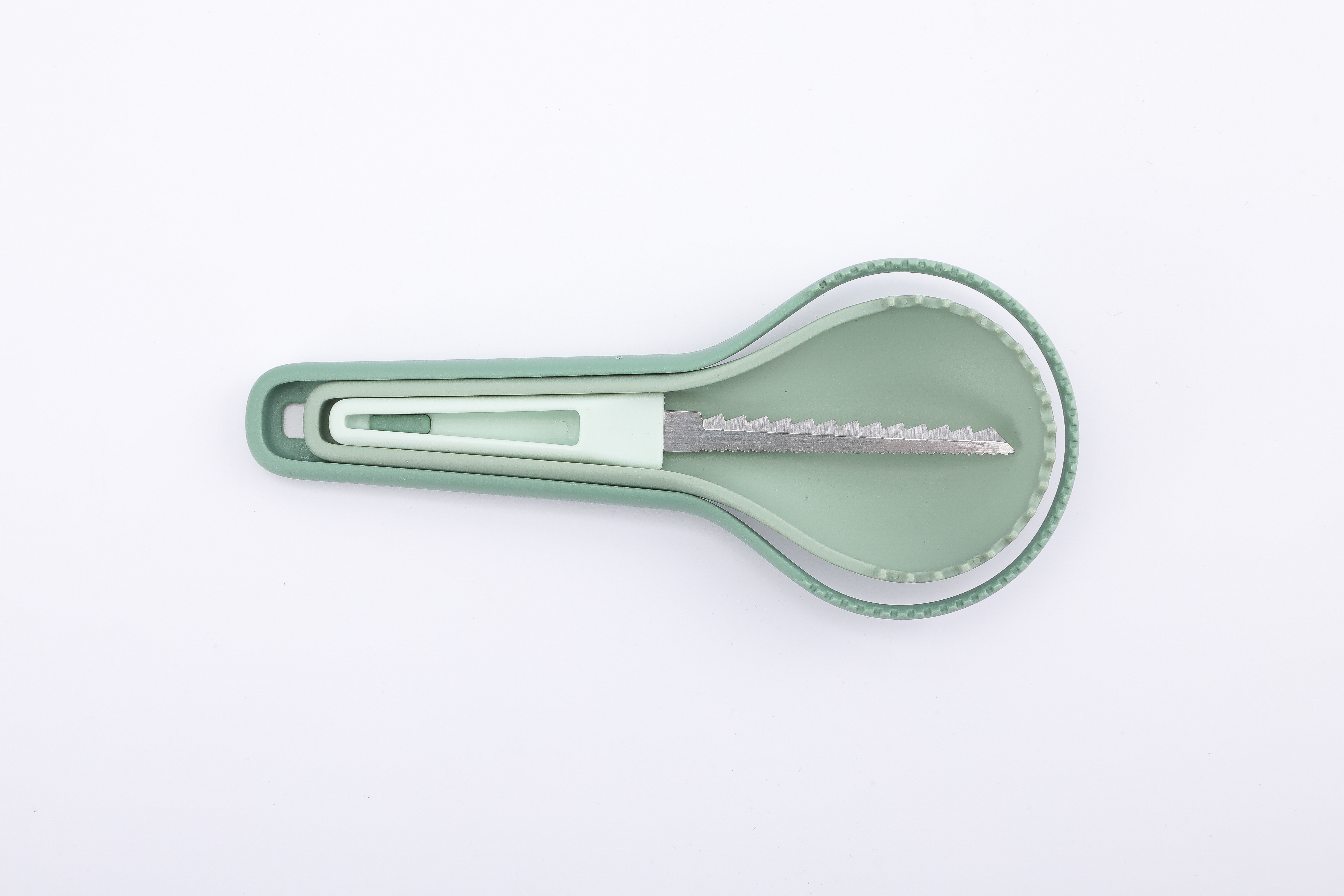
The original article also mentions a 3-piece nesting utensil set with vibrant colors and a space-saving design. It includes a precision-engineered serrated knife, and the interlocking measuring spoons double as flexible spatulas. For buyers, this matters because a supplier that handles seasonal carving tools may also offer compact kitchen utensils for year-round assortments.
However, related products should be evaluated separately. A serrated knife in a nesting utensil set is not automatically the same as a pumpkin carving knife. Ask for individual specifications, intended use, packaging copy, and care instructions. If you plan a seasonal display, consider whether a carving knife, scoop, stencil, and compact utensil set belong together or should be merchandised as separate categories.
Product Selection and Use Guidance for Retail Programs
For consumer-facing assortments, buyers should think about the end user after the factory conversation. A practical pumpkin carving knife should be easy to identify in store, simple to use, and supported by clear instructions. Packaging should not overpromise results; instead, it should explain suitable uses such as cutting pumpkin lids, shaping simple faces, or making controlled decorative cuts.
Care instructions are also important. Buyers can ask the supplier whether the knife should be hand washed, dried immediately, stored away from children, or kept with a blade cover. Do not add dishwasher-safe, rust-resistant, food-contact, or child-safe claims unless the supplier can support them with appropriate documentation for the sales market.
Key Takeaways
- A pumpkin carving knife factory should be evaluated on blade control, handle comfort, safety communication, and quality consistency.
- Do not assume material grade, compliance status, MOQ, lead time, or production capacity; ask the supplier for current written details.
- Serrations can support controlled cuts, but the pattern should match the intended user and carving style.
- OEM buyers should review samples, packaging artwork, carton information, and inspection processes before confirming an order.
- Related tools, such as nesting utensil sets, may add assortment value but need their own specification review.
FAQ
What should I request from a pumpkin carving knife supplier first?
Start with product specifications, photos, sample availability, packaging options, MOQ, lead time, and any documents relevant to your target market. Then test samples on real pumpkins before approving production.
Are serrated blades better for pumpkin carving?
Serrations can help the knife bite into pumpkin skin and guide controlled cuts, but the best pattern depends on the design. Fine decorative work and large lid cuts may need different blade profiles.
Can pumpkin carving knives be used by children?
They should only be used according to the supplier's safety instructions and with appropriate adult supervision. Buyers should ensure packaging language is clear and suitable for the market where the product will be sold.
How do I compare OEM quotes fairly?
Compare the same blade material, handle design, packaging type, inspection requirements, order quantity, and delivery terms. A lower unit price may not be comparable if the specification or packing standard is different.
Can a kitchenware supplier also produce seasonal carving tools?
Possibly, but buyers should verify experience, samples, tooling needs, quality control steps, and delivery timing. Seasonal products have tight selling windows, so schedule confirmation is especially important.
