




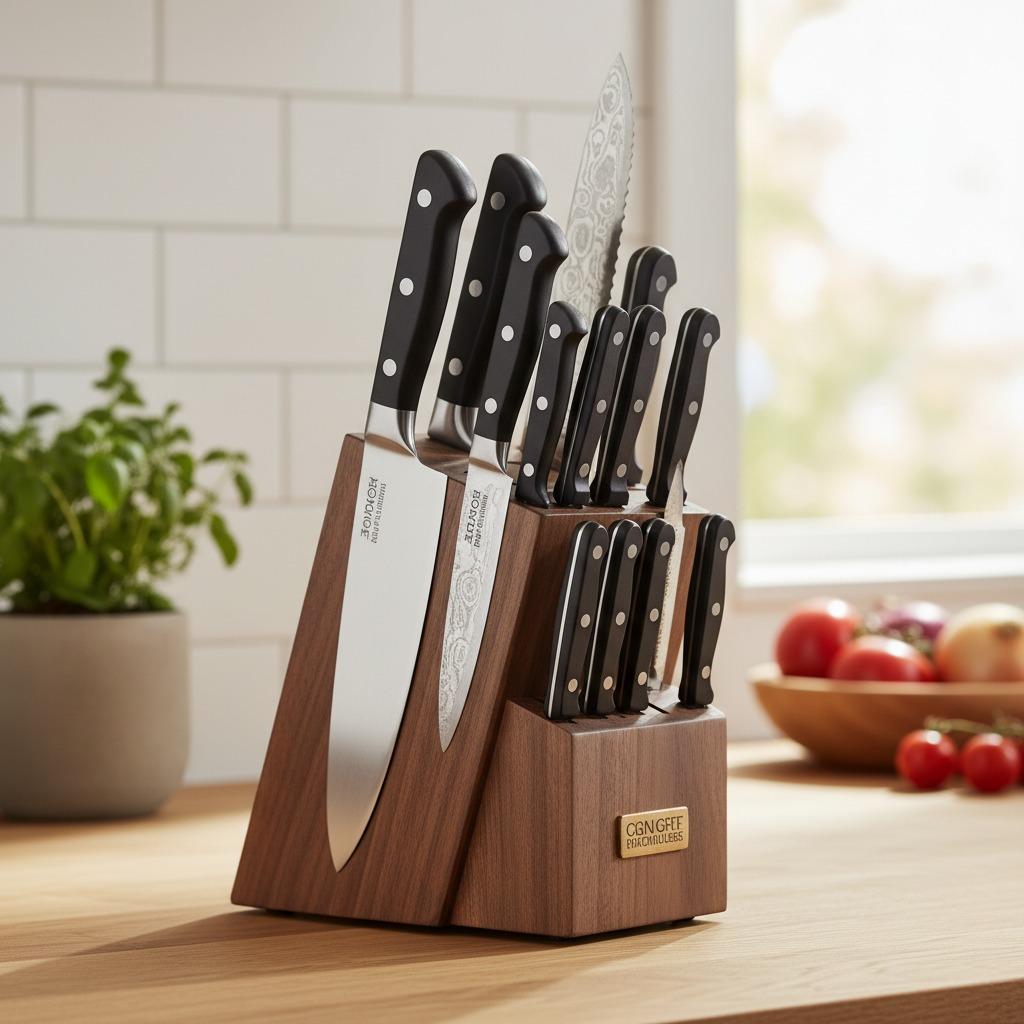
Knives for Home Cooks: Essential Kitchen Tools
Good knives make everyday cooking easier, safer, and more consistent. For home cooks, the goal is not to own every specialty blade available. It is to choose a small group of dependable knives that match the foods you prepare most often, then maintain them properly. A sharp, comfortable knife helps you slice vegetables cleanly, trim meat with control, and prepare ingredients with less waste.

This guide explains the core knives worth considering, how to compare options, and how to care for them so they remain useful in a busy home kitchen.
Key Takeaways
- Most home cooks can handle daily prep with three to five well-chosen knives.
- A chef’s knife or santoku is usually the main workhorse for chopping and slicing.
- A utility knife is helpful when a chef’s knife feels too large and a paring knife feels too small.
- Comfort, balance, and safe grip matter as much as blade sharpness.
- Hand washing, proper storage, and regular honing help knives last longer.
Why Knife Choice Matters in a Home Kitchen
A dull or poorly balanced knife makes prep slower and can increase the chance of slipping. When a blade does not cut cleanly, cooks often compensate with extra force. That is when tomatoes crush, herbs bruise, onions become uneven, and fingers get too close to the cutting edge.
The right knife should feel controlled rather than intimidating. It should suit your hand size, your cutting board, and the ingredients you use most. If you cook vegetable-heavy meals, you may prioritize a broad blade for chopping. If you often prepare fruit, sandwiches, and smaller cuts, a utility knife may get daily use. If you prepare roasts or larger pieces of cooked meat, a slicing knife may be worth adding.
The Essential Kitchen Knives Most Home Cooks Need
A practical knife setup starts with the basics. You do not need a large block full of rarely used blades. Instead, focus on knives that solve different cutting tasks without overlapping too much.
- Chef’s knife: A general-purpose knife for chopping vegetables, mincing herbs, slicing meat, and crushing garlic. It is often the first knife to buy if you are building a set gradually.
- Santoku knife: A versatile alternative to a chef’s knife, often used for vegetables, boneless proteins, and fine slicing. Some cooks prefer its shorter profile and straighter cutting motion.
- Utility knife: A mid-size blade for tomatoes, citrus, sandwiches, trimming, and small prep tasks where a larger knife feels bulky.
- Paring knife: A small knife for peeling, coring, trimming, and hand-held detail work.
- Bread knife: A serrated blade for crusty bread, soft cakes, and delicate foods that can be crushed by a straight edge.
If you are comparing kitchen knife set essentials, look for a set that includes knives you will actually use. A smaller set with better fit and maintenance habits is usually more useful than a large set with duplicates.
Comparison Table: Which Knife Fits Which Task?
| Knife Type | Best For | When to Choose It | Selection Tip |
|---|---|---|---|
| Chef’s knife | Chopping, slicing, mincing | You want one main everyday knife | Check that the handle feels secure and the blade is easy to control |
| Santoku | Vegetables, boneless meat, thin cuts | You prefer a compact all-purpose shape | Look for comfortable knuckle clearance on the cutting board |
| Utility knife | Fruit, sandwiches, trimming, small vegetables | You need precision without using a tiny blade | Choose a size that feels nimble but not fragile |
| Paring knife | Peeling, coring, detail cuts | You often do hand-held prep | Prioritize a handle that does not twist in your grip |
| Bread knife | Bread, cake, soft-skinned produce | You cut foods with crusts or delicate interiors | Use a gentle sawing motion rather than force |
How to Evaluate a Knife Before Buying
When choosing knives for home cooks, appearance should not be the only factor. A knife is a hand tool, so fit and control are essential. If possible, hold the knife in a pinch grip, with thumb and index finger near the blade and the remaining fingers around the handle. The knife should feel stable, not handle-heavy or blade-heavy.
Consider these points before purchasing:
- Blade purpose: Match the shape to your cooking habits instead of buying by name alone.
- Handle comfort: The handle should feel secure when dry and when slightly damp.
- Weight and balance: Some cooks like heavier knives for momentum; others prefer lighter knives for speed.
- Maintenance needs: Ask how the knife should be sharpened and whether it requires special care.
- Storage: Plan for a knife block, magnetic strip, sheath, or drawer insert to protect the edge.
If a product description mentions stainless steel, ergonomic handles, or a specific edge style, compare those details with your needs and ask the seller for clarification when information is incomplete.
The Utility Knife: Small Enough for Detail, Large Enough for Daily Prep
The utility knife is often overlooked, but it can become one of the most frequently used tools in a home kitchen. It fills the gap between a chef’s knife and a paring knife. Use it for slicing apples, trimming chicken, cutting cheese, halving small vegetables, or preparing quick snacks.
A utility knife is especially useful in compact kitchens or during small meals when taking out a larger knife feels unnecessary. It is not a replacement for a chef’s knife when chopping large quantities, but it gives excellent control for moderate tasks. For many cooks, adding a utility knife makes the entire knife set feel more complete.
Care and Safety Tips for Everyday Use
Even a good knife performs poorly if it is neglected. Proper care does not have to be complicated, but it should become routine.
- Wash knives by hand soon after use and dry them completely before storage.
- Avoid leaving knives loose in a sink where they can be damaged or cause injury.
- Use cutting boards made for kitchen prep; avoid glass, stone, or other very hard surfaces.
- Hone regularly if appropriate for the knife, and sharpen when the blade starts to drag.
- Store knives so edges do not hit other utensils.
- Cut with a stable board and keep fingertips curled back in a safe claw position.
Safe technique matters as much as sharpness. Let the blade do the work, use steady pressure, and choose a knife size that gives you control.
Building a Smart Kitchen Knife Set Over Time
If you are starting from scratch, begin with one dependable all-purpose knife and add pieces based on real cooking needs. A chef’s knife or santoku, a paring knife, and a serrated bread knife can cover many kitchens. A utility knife is the next practical addition for quick prep and mid-size foods.
Before buying a full set, list the meals you cook most: salads, stir-fries, roasts, bread, fruit, or meal prep containers. This helps you avoid paying for knives that will sit unused. If you are reviewing a product page, confirm what is included, how each knife should be maintained, and whether replacement or support information is available from the supplier.
FAQ
How many knives does a home cook really need?
Many home cooks can work well with three to five knives: an all-purpose chef’s knife or santoku, a paring knife, a bread knife, and optionally a utility or slicing knife.
Is a utility knife necessary?
It is not strictly necessary, but it is very practical. It handles tasks that are too small for a chef’s knife and too large for a paring knife.
Should knives go in the dishwasher?
Hand washing is generally safer for the blade edge, handle, and user. Dry knives immediately and store them properly.
How do I know when a knife needs sharpening?
If the blade slips on tomato skin, crushes herbs, or requires extra pressure for normal cutting, it likely needs sharpening.
What should I ask before buying a kitchen knife set?
Ask what knives are included, what materials and handle construction are specified, how the knives should be sharpened, and what care instructions the supplier recommends.
