




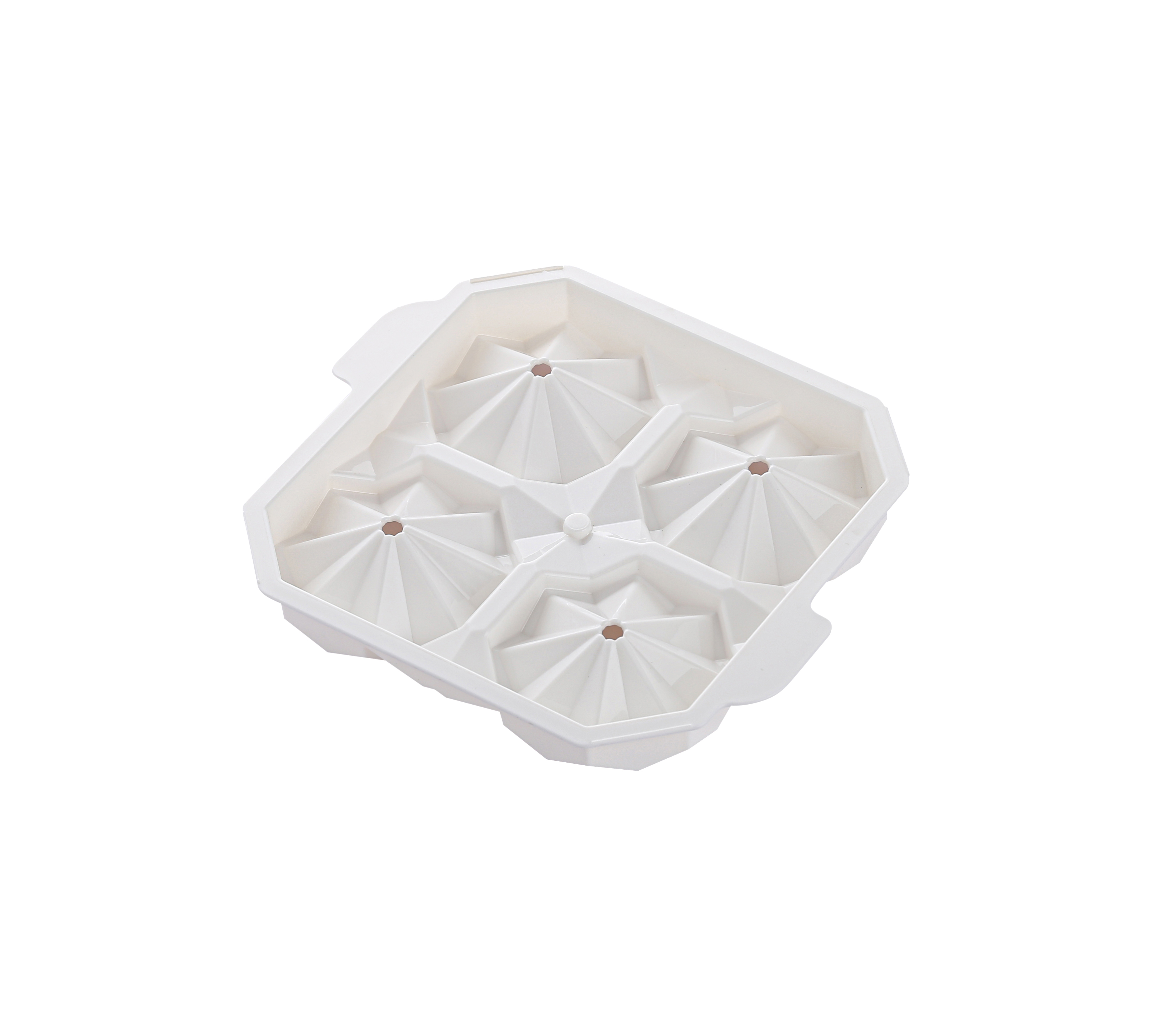
Leading Ice Cube Tray Manufacturer: Custom Innovations
Choosing an ice cube tray manufacturer is not only about finding a factory that can make a simple freezer mold. For importers, wholesalers, brand owners, and promotional product buyers, the sourcing process should connect product design, safe material selection, mold development, packaging, quality control, and long-term supply reliability. A custom ice cube tray can be a retail kitchen accessory, a barware item, a gift product, or a branded hospitality tool, so small design decisions can affect both user experience and commercial results.
The original product concept discussed a hexagonal ice mold made from BPA-free silicone in a mint green design, with five large gem-like cavities intended for slower-melting ice and easy release. Those are useful starting points for understanding what buyers often request: distinctive shapes, flexible material, compact storage, and a product that feels convenient in daily use. When sourcing from any ice cube tray manufacturer, buyers should verify each specification directly with the supplier rather than assuming all trays share the same performance or compliance profile.
Key Takeaways
- Custom ice cube trays should be evaluated by shape, cavity size, release performance, packaging, and target retail channel.
- For silicone products, ask the supplier to confirm the exact material, documentation, and intended food-contact markets.
- Large geometric cubes may melt more slowly than small cubes, helping reduce drink dilution in cocktails and iced beverages.
- OEM buyers should request drawings, samples, tolerance details, packaging options, and quality inspection criteria before placing bulk orders.
What Custom Ice Cube Trays Can Offer
Custom ice cube trays allow a buyer to move beyond standard square cubes. Shapes such as hexagons, gems, spheres, bars, and logo-based cavities can help a product stand out in retail or match a specific use case. A cocktail-focused tray may prioritize larger cavities, while a family freezer product may need easy stacking, quick filling, and simple cleaning. A hospitality or promotional tray may focus on brand visibility and repeat use.
The five-cavity gem-style silicone mold mentioned in the source is a good example of a design-led approach. Large cavities can create ice pieces suitable for spirits, cocktails, iced coffee, or entertaining. A flexible silicone body can help users release the ice without twisting a rigid plastic tray too aggressively. However, buyers should test real samples with their target users because cavity geometry, wall thickness, and surface finish can all influence filling, freezing, and release.
Material and Safety Questions to Ask
The source refers to BPA-free silicone, which is an important stated feature. Still, professional buyers should go further and ask for the exact material description, any available food-contact documentation, and the markets for which the supplier intends the product to be sold. Requirements may vary by country or sales channel, and claims should be supported by documents rather than marketing text alone.
Useful questions include: Is the tray made from silicone, plastic, or another material? Is the colorant suitable for the intended application? What temperature range does the supplier recommend? Can the tray be used in a dishwasher, or should it be hand washed? Are there odor concerns after production, and how are they controlled? If a lid, gift box, or printed insert is added, are those components specified separately?
Design Factors That Affect User Experience
A custom ice mold succeeds when it is easy to use repeatedly. Buyers should review dimensions, cavity volume, filling method, freezer fit, and release pressure. A tray that looks attractive in a product photo may not perform well if it spills easily during transfer to the freezer or if the ice breaks when removed. For large ice designs, a balanced cavity depth helps create a visually appealing cube while keeping freezing time reasonable.
Color is another practical decision. The original mint green design gives the product a recognizable look, but color consistency should be checked across samples and production batches. If the product will be sold as a set, buyers should ask whether colors can be matched to brand guidelines and what color tolerance the supplier can maintain. For logo or private-label projects, confirm whether branding is applied to the tray, the packaging, or both.
Comparison Checklist for Sourcing Ice Cube Trays
| Item to Compare | Why It Matters | Questions for the Supplier |
|---|---|---|
| Material | Affects flexibility, release, odor, and intended food-contact use. | What is the exact material, and what documents can you provide? |
| Cavity shape and size | Determines visual appeal, freezing time, and melt behavior. | Can you provide drawings, cavity volume, and sample photos? |
| Release performance | Important for consumer satisfaction and repeat use. | Have you tested release after full freezing with normal tap water? |
| Storage design | Impacts freezer organization and retail value. | Is the tray stackable or compatible with a lid? |
| Packaging | Supports retail display, shipping protection, and branding. | What packaging formats are available, and can we review dielines? |
| Quality control | Reduces defects, color variation, and shipment disputes. | What inspection points are used before shipment? |
How Ice Tray Production Is Usually Managed
Production commonly begins with a product brief or reference sample. The buyer defines the target shape, cavity count, material preference, color, packaging style, and sales market. The supplier then reviews feasibility and may provide a drawing, mold proposal, or pre-production sample. For a distinctive geometric tray, tooling accuracy matters because uneven walls or sharp internal corners can affect appearance and ice release.
After sample approval, buyers should confirm production details in writing. This may include approved color, dimensions, weight target if relevant, logo placement, packaging artwork, carton requirements, and inspection standards. Avoid vague descriptions such as “good quality” or “premium silicone.” Instead, use measurable criteria where possible, such as acceptable color range, visible defect limits, packaging drop-test expectations if required by your channel, and sample approval references.
Private Label, OEM, and Wholesale Considerations
For OEM and wholesale sourcing, commercial details should be clarified early. Ask the supplier about available customization methods, sample lead time, mold ownership terms, reorder process, packaging support, and shipping carton configuration. Do not assume minimum order quantity, pricing, certifications, or production capacity unless the supplier confirms them for your specific project.
Brand owners should also consider the total product experience. A custom tray may need an instruction card explaining washing, filling, freezing, and release. Retailers may require barcode placement, warning statements, multilingual packaging, or specific carton labels. If the tray is positioned for cocktails, lifestyle photography may be helpful, but the actual product claims should remain accurate and supportable.
Quality Review Before Bulk Shipment
Before approving mass production or shipment, buyers should review samples under real conditions. Fill the tray to the intended level, move it to a freezer, freeze it completely, release the ice, and check whether the cubes match the expected shape. Also inspect for odor, surface marks, color inconsistency, thin areas, deformation, and packaging damage. These checks are simple, but they often reveal issues that are not visible in catalog images.
- Approve a physical sample before bulk production.
- Confirm the final color and packaging artwork.
- Test freezing and release with the intended cavity design.
- Inspect cartons, labels, and packing method before shipment.
- Keep a signed reference sample for future reorders.
Practical FAQ
What makes a good custom ice cube tray?
A good tray combines a practical cavity design, reliable release, freezer-friendly size, clean finishing, and packaging that matches the sales channel. The best design depends on whether the product is for home kitchens, bars, gifts, or promotional use.
Are larger ice cubes better for drinks?
Larger ice pieces usually have less surface area relative to volume than small cubes, so they can melt more slowly. This can help reduce dilution in cocktails or spirits, but freezing time and glass fit should also be considered.
What should I ask an ice cube tray manufacturer before ordering?
Ask about material details, available documentation, customization methods, sample process, tooling requirements, packaging options, inspection criteria, lead time, and reorder consistency. Request written confirmation for any claim that affects compliance or sales copy.
Can a silicone ice mold be customized in color and shape?
Many silicone ice molds can be customized, but feasibility depends on the supplier’s tooling, color-matching ability, and project requirements. Buyers should provide a drawing, reference sample, or clear product brief to get an accurate response.
How can buyers avoid problems with custom ice tray orders?
Use approved samples, clear specifications, realistic testing, and documented inspection standards. Avoid relying only on photos. For private-label projects, check packaging, labeling, and product claims before production begins.
