




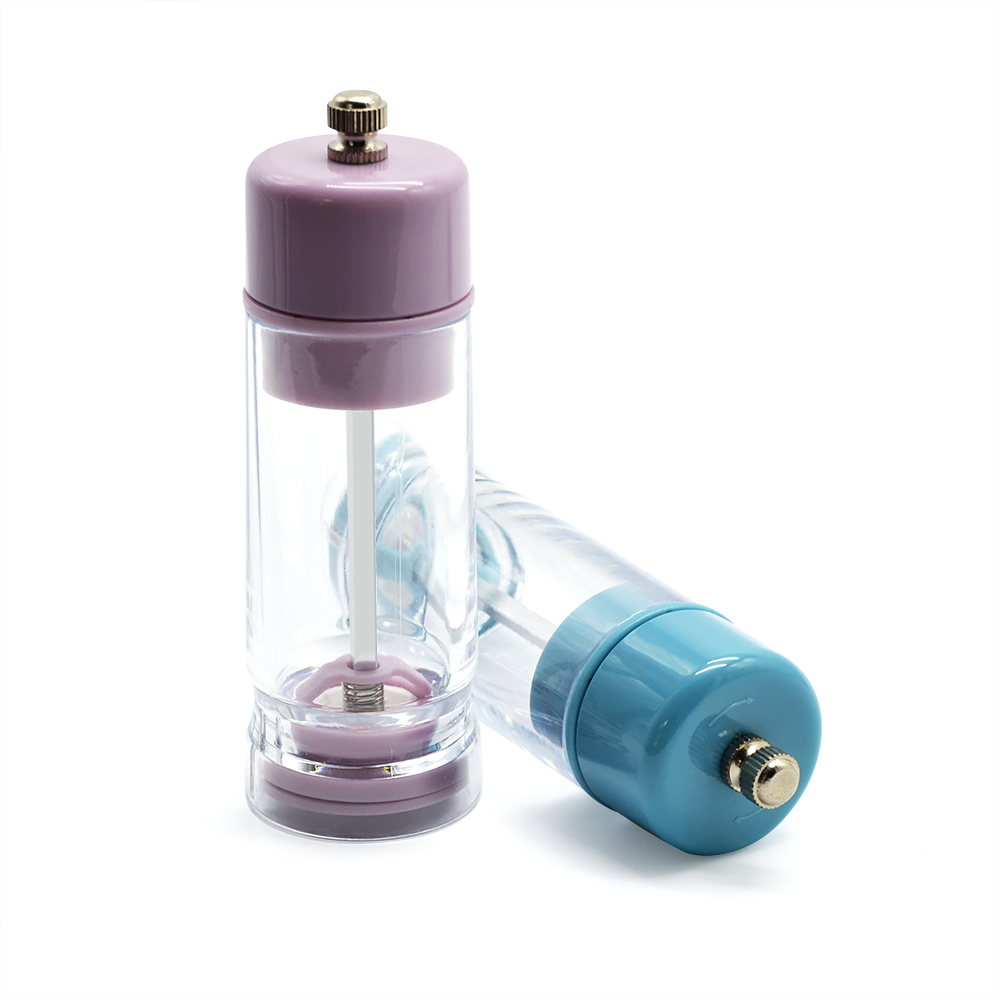
Pepper Grinder Manufacturing: A Practical B2B Sourcing Guide
Pepper grinder manufacturing combines product design, material selection, assembly accuracy, and consistent quality control. For retailers, distributors, hospitality buyers, and private-label brands, the goal is not simply to find a pepper mill that looks good. The better question is whether the grinder performs reliably, is easy for customers to use, and can be sourced with predictable quality over repeat orders.
The original article highlighted several useful points: pepper mill suppliers connect manufacturers with retailers and end users; many buyers look for adjustable mills; and common product concepts include easy-to-use adjustment nuts, ergonomic shapes, transparent containers, ceramic grinding parts, and sturdy plastics. This rewritten guide expands those ideas into practical sourcing guidance for B2B buyers evaluating pepper grinders, salt and pepper mill sets, and OEM or wholesale supply options.
Key Takeaways
- Evaluate pepper grinders by grind consistency, adjustment method, material choices, user comfort, and packaging suitability.
- Ask suppliers specific questions about quality checks, sample approval, replacement parts, lead times, and customization limits.
- Do not rely only on appearance; test the grinder with real peppercorns and repeated adjustment changes.
- For OEM or wholesale orders, confirm commercial details directly instead of assuming MOQ, certifications, or production capacity.
How Pepper Grinder Manufacturing Usually Works
A pepper grinder is a small product, but it involves several coordinated steps. Production typically begins with a product concept: manual mill, salt and pepper mill set, transparent body, compact table grinder, or a design intended for retail gift packaging. The manufacturer then prepares components such as the body, top section, handle or knob, container, grinding mechanism, and adjustment parts.
Depending on the design, components may be molded, cut, polished, assembled, and inspected before final packing. The original article referenced ceramic grinders and sturdy plastics as material examples. Buyers should treat those as product-specific details to verify, not as assumptions for every model. If a supplier offers a ceramic grinding mechanism, ask whether it is intended for pepper, salt, or both, and request samples for testing with the actual seasoning you plan to sell.
The adjustment mechanism is another important point. Some mills use a top nut or similar control that allows users to choose a finer or coarser grind. This feature is useful only when it is stable, intuitive, and repeatable. During sampling, turn the adjustment from fine to coarse several times and check whether the grind changes clearly without loosening during use.
The Role of Pepper Mill Suppliers
Pepper mill suppliers play a practical role between factories, importers, retailers, and foodservice buyers. A supplier may provide finished products, coordinate customization, manage packing requirements, or help compare several grinder models. A capable supplier should make sourcing easier by providing accurate product information, realistic timelines, and clear communication about what can and cannot be customized.
For B2B buyers, the supplier relationship matters because pepper grinders are often sold in repeat programs. A retailer may need consistent packaging across several purchase orders. A hospitality buyer may need the same grinder available for future replenishment. A private-label brand may need stable appearance and function after branding is added. Before placing a larger order, ask the supplier how they control consistency between samples and mass production.
Comparison Checklist for Selecting Pepper Grinders
| Selection Point | What to Check | Questions to Ask a Supplier |
|---|---|---|
| Grinding performance | Fine and coarse output, smooth turning, clog resistance | Can you provide samples for testing with peppercorns? |
| Adjustment method | Nut, knob, or other control that is easy to understand | Does the setting stay stable during repeated use? |
| Materials | Body, container, grinding mechanism, and contact parts | What materials are used in this exact model? |
| User experience | Grip comfort, size, filling method, visibility of contents | Are transparent containers or ergonomic designs available? |
| Retail readiness | Packaging, labeling area, barcode space, instruction insert | What packaging options can be quoted? |
| Quality control | Appearance checks, assembly checks, functional grinding tests | What inspection steps are used before shipment? |
Product Features Buyers Should Evaluate
Several features influence whether a pepper grinder is suitable for retail, hospitality, or promotional use. Adjustable grinding is one of the most important. A mill that can produce both fine and coarse pepper gives users more flexibility, but buyers should verify how easily the setting changes and whether the mechanism feels secure.
Transparent containers can help users see remaining peppercorns, which is convenient in home kitchens and restaurant settings. Ergonomic shapes may make the grinder easier to hold, especially for frequent use. However, these features should be evaluated in context. A tall, clear mill may look appealing on a shelf but still needs stable assembly, smooth rotation, and packaging that protects it during shipping.
For salt and pepper mill sets, compare both pieces rather than assuming they perform identically. Ask whether the same grinding mechanism is used in both mills, whether each grinder is intended for a specific seasoning, and how the set is marked so consumers can distinguish salt from pepper.
Quality Control Questions for Manufacturing Orders
Quality control should be discussed before a purchase order is confirmed. Pepper grinders can fail in small but frustrating ways: loose tops, inconsistent grind size, cracked bodies, difficult filling, rough edges, or packaging damage. A buyer should define what is acceptable and what is not before production begins.
- Request pre-production samples and keep an approved sample for comparison.
- Test the grinder repeatedly using normal peppercorns, not only by turning it empty.
- Check the filling process to see whether consumers can use it without confusion.
- Inspect the product after transport simulation or basic handling where possible.
- Confirm how defects, replacements, or spare parts are handled commercially.
If certifications, food-contact documentation, or third-party testing are required for your market, ask the supplier what documents are available for the exact product and materials being ordered. Do not assume that a similar item or past shipment covers a new model, color, or component change.
OEM, Wholesale, and Private-Label Considerations
OEM and wholesale buyers often need more than a standard pepper mill. Common requests may include logo placement, custom packaging, set combinations, color changes, instruction sheets, or display cartons. Each customization can affect cost, lead time, sampling, and inspection. Instead of assuming that every change is simple, ask for a written confirmation of what is feasible.
Important commercial questions include: What is the minimum order quantity for the selected model? What are the sample costs and sample lead times? Which packaging formats are available? Can the supplier support repeat orders using the same materials and appearance? What happens if a component is changed by the factory? These questions help prevent misunderstandings and make supplier comparison more objective.
Practical FAQ
What should I test first when comparing pepper grinder samples?
Start with grind consistency, ease of adjustment, filling method, and comfort in the hand. Test fine and coarse settings several times with real peppercorns.
Are ceramic grinders always better?
Not automatically. Ceramic grinding parts are mentioned in many pepper mill designs, but performance depends on the full mechanism, assembly quality, and intended seasoning. Verify the material and test the exact sample.
How do I choose a reliable pepper mill supplier?
Look for clear product information, sample support, transparent answers about materials and inspection, and the ability to confirm commercial details in writing.
What should private-label buyers prepare before contacting a supplier?
Prepare target product type, order quantity estimate, packaging needs, logo requirements, destination market, and any documentation required by your sales channel.
Final Sourcing Advice
Pepper grinder manufacturing is detail-driven. A good sourcing process compares function, materials, adjustment design, user experience, and supplier communication before focusing on price alone. Whether you are buying a Salt & Pepper Mill Set, an adjustable pepper mill, or an OEM private-label grinder, the best results come from testing samples carefully and asking direct questions about the exact product you plan to order.
