




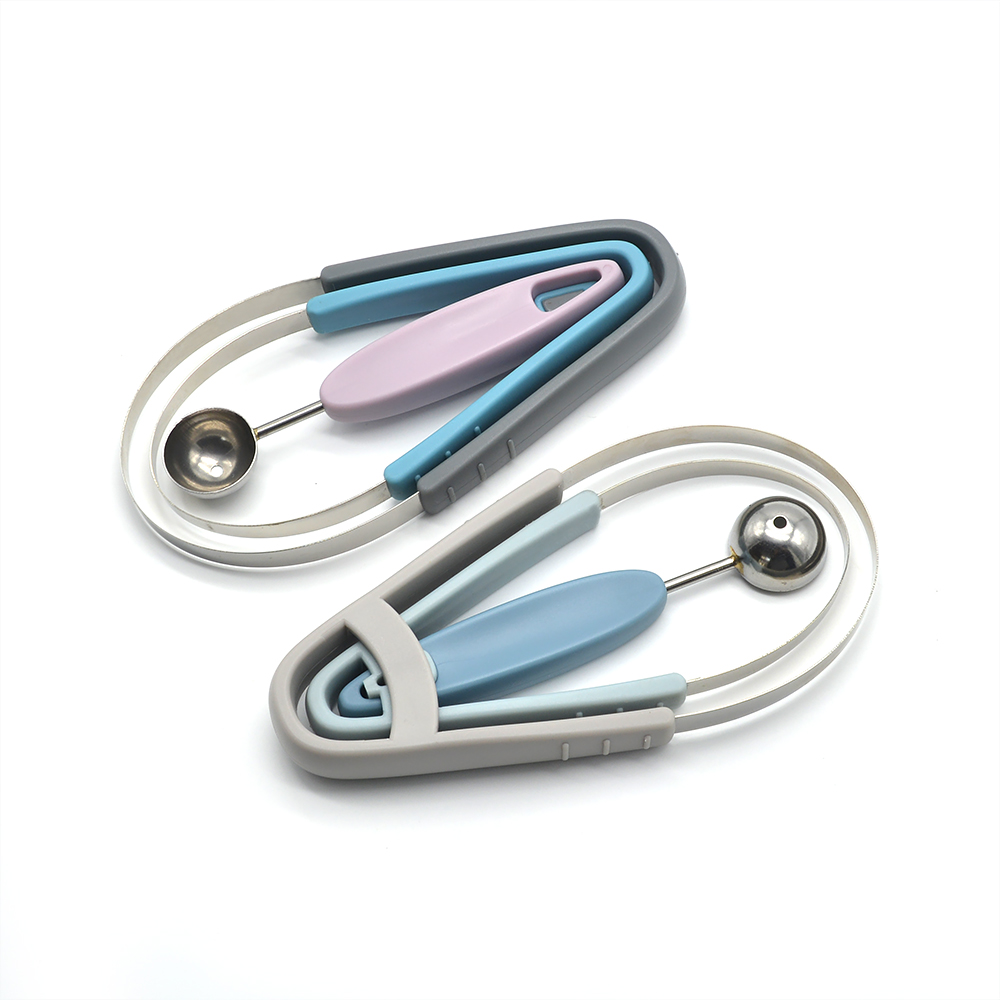
Nesting Fruit Scoop: Practical Guide for Fruit Prep and Storage
A nesting fruit scoop is a small kitchen tool designed to help shape, portion, and serve fruit with more consistency than a standard spoon. It is most often used for melons, but it can also help with softer fruits, dessert garnishes, chilled appetizers, and simple snack preparation. The original article described a nesting design, different scoop sizes, stainless steel heads, pastel handles, and a teardrop-style form. Those details point to a tool that is intended for both compact storage and everyday handling, not only decorative plating.
This guide explains how to choose, use, clean, and evaluate a nesting fruit scoop set. It is written for home cooks, small food-service buyers, and anyone comparing fruit preparation tools for practical use rather than promotional claims.
What Is a Nesting Fruit Scoop?
A nesting fruit scoop is usually a set of fruit scoops in different sizes that fit together for easier drawer storage. The scoop end is used to cut rounded portions from fruit flesh, while the handle gives leverage and control. A nesting set can be helpful when one kitchen needs several portion sizes but does not have much storage space.
The original product description states that the scoop includes varying sizes for different fruits, with stainless steel heads intended for repeated use and easy cleaning. It also mentions soft pastel handles and a teardrop design. Because no exact dimensions, steel grade, or test data were provided, buyers should confirm those details with the seller if they matter for commercial or heavy daily use.
Best Uses in Everyday Fruit Preparation
The most common use is making melon balls from watermelon, cantaloupe, or honeydew. A fruit scoop can also remove small sections from kiwi, mango, dragon fruit, papaya, or ripe pear. For firmer fruit, the result depends on ripeness and blade edge more than force. Very hard fruit can be difficult to scoop cleanly and may damage the fruit texture.
- Use a larger scoop for melon bowls, party trays, and breakfast service.
- Use a smaller scoop for garnishes, lunch boxes, yogurt toppings, or desserts.
- Chill fruit before scooping when you want cleaner shapes and less juice loss.
- Trim away seeds and tough fibers before using the scoop.
- Rotate the wrist smoothly instead of pushing straight down with force.
For home cooking, the main advantage is consistency. Even portions look neater in fruit salads and can make serving easier. For small cafes or catering prep, consistent portions may also help reduce waste, but any yield benefit should be tested with the exact fruit, staff workflow, and scoop size.
Comparison: Nesting Scoop vs. Common Alternatives
| Tool | Best For | Limitations | Buying Check |
|---|---|---|---|
| Nesting fruit scoop | Rounded fruit portions, compact storage, multiple sizes | Less useful for slicing or peeling | Check scoop edge, handle comfort, and size range |
| Standard spoon | Casual serving and soft fruit | Less uniform shape and less control | Choose a strong spoon with a comfortable bowl shape |
| Paring knife | Trimming, peeling, and detailed cutting | Requires more skill and has higher cut risk | Check blade sharpness and handle grip |
| Ice cream scoop | Larger portions and soft desserts | Often too large for fruit detail work | Confirm size and release mechanism |
A nesting fruit scoop does not replace every fruit tool. It works best when the goal is portioning and presentation. If the task is peeling citrus, slicing apples, or removing pineapple skin, a knife or dedicated cutter will be more appropriate.
How to Choose a Nesting Fruit Scoop Set
When comparing options, start with the fruits you prepare most often. A set with several sizes is useful only if those sizes match your real kitchen tasks. If you mostly prepare melon, a medium and large scoop may matter more than a very small scoop. If you make desserts or garnish drinks, smaller sizes may be more useful.
Material information also matters. The source article says the heads are stainless steel, but it does not state a grade. Ask the seller what stainless steel grade is used, whether the heads are one piece or assembled, and whether the edges are polished or sharpened. For handles, check whether the grip is comfortable when wet and whether the joint between handle and scoop head feels secure.
- Confirm the number of scoop sizes included in the nesting set.
- Ask for exact dimensions if drawer fit or portion size is important.
- Check whether the product is dishwasher safe or recommended for hand washing.
- Look for smooth seams that do not trap fruit pulp.
- Test the handle shape if you will use the scoop for long prep sessions.
Simple Technique for Cleaner Fruit Balls
Good scooping technique is gentle and controlled. Cut the fruit in half, remove seeds where needed, and place the fruit on a stable board. Press the scoop edge into the flesh, then rotate the wrist in a circular motion. Avoid digging too deeply at first; a shallow, even turn often creates a cleaner ball than a forceful cut.
Ripe fruit is easier to shape, but overripe fruit can collapse. If fruit is very juicy, scoop over a tray or bowl to collect liquid. For fruit salad, mix delicate fruit last so the pieces do not break while heavier melon pieces are being tossed.
Cleaning, Care, and Storage
The original article recommends hand washing to preserve material integrity. That is a sensible default unless the seller clearly states the product is dishwasher safe. Wash the scoop soon after use, especially after contact with acidic fruit. Use warm water, mild dish soap, and a soft sponge. Dry the metal head before nesting the tools together to reduce water spots and moisture trapped between pieces.
Because nesting tools sit close together, cleanliness depends on drying as much as washing. If fruit pulp remains around the joint or scoop rim, use a small brush. Avoid abrasive pads that may scratch polished surfaces or dull the edge. Store the set where the scoop edges will not be bent by heavier utensils.
Key Takeaways
- A nesting fruit scoop is most useful for melon balls, fruit salads, garnishes, and portion control.
- The nesting design helps save drawer space when the set includes multiple sizes.
- Stainless steel heads and comfortable handles are useful features, but exact material details should be confirmed before purchase.
- Ripe, chilled fruit and a smooth wrist rotation produce cleaner scoops.
- Hand washing and thorough drying are practical care habits unless the seller provides other instructions.
FAQ
Can a nesting fruit scoop be used on all fruits?
It works best on melons and other fruits with firm but yielding flesh. Very hard, fibrous, or underripe fruit may not scoop cleanly.
Is a stainless steel scoop head better than plastic?
Stainless steel is generally stronger for cutting into fruit, but buyers should confirm the grade, finish, and care instructions because the original information does not specify those details.
Do I need several scoop sizes?
Several sizes are useful if you prepare different fruits or want different presentation styles. If you only prepare melon occasionally, one medium scoop may be enough.
Should I hand wash the scoop?
Hand washing is a safe recommendation based on the original article. If dishwasher safety is important, ask the supplier or check the product packaging before using a dishwasher.
What should wholesale or OEM buyers ask before ordering?
Ask about exact dimensions, stainless steel grade, handle material, packaging options, sample availability, quality inspection process, lead time, MOQ, and any test reports or compliance documents required for your market. Do not assume these details unless the supplier provides them in writing.
