




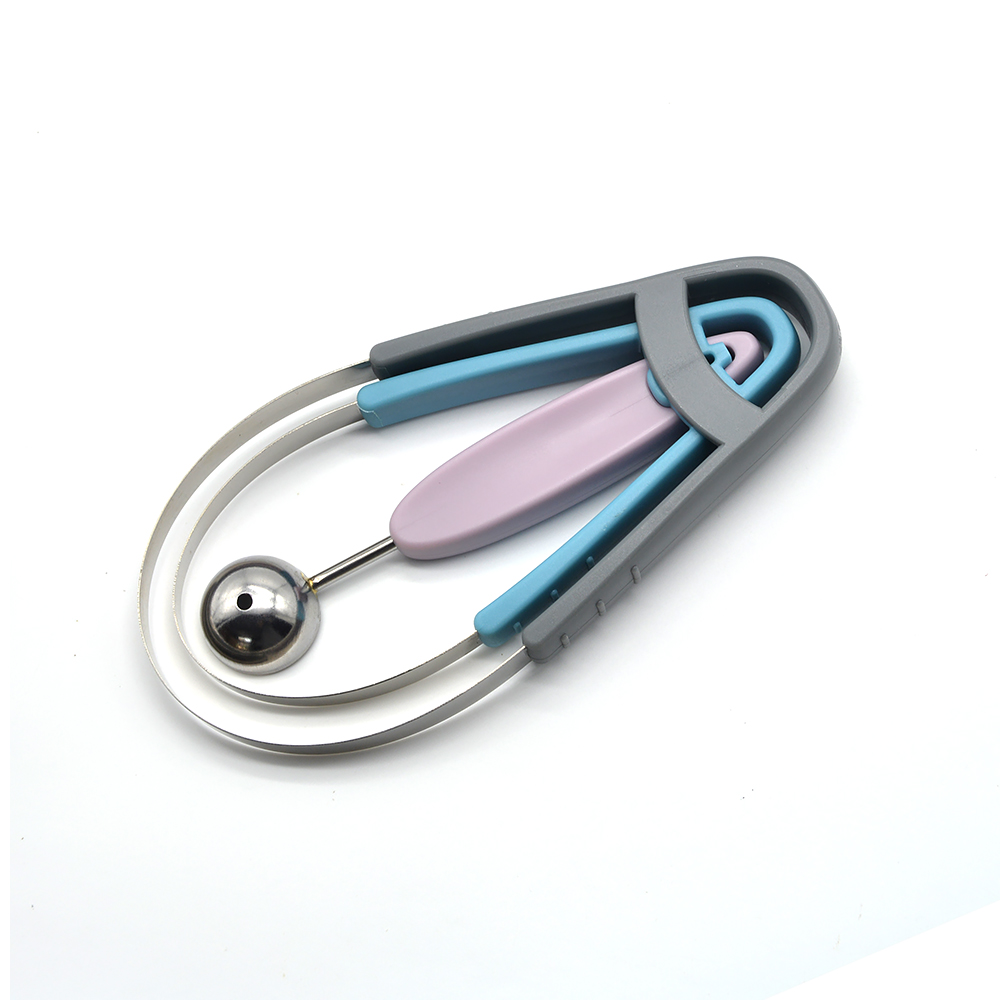
Nesting Fruit Scoop: Practical Guide for Better Fruit Preparation
A nesting fruit scoop is a compact kitchen tool set designed to make fruit preparation faster, cleaner, and more consistent. Instead of using several loose utensils for scooping, shaping, and slicing, a nesting design keeps related tools together so they are easier to store and find. The original product description identifies this item as a trio of tools in one set, including a melon baller, a comfortable handle, and a built-in knife edge for slicing. It also notes soothing shades of grey, blue, and lavender, along with stainless-steel components.
For home cooks, caterers, cafes, and small food-service teams, the value of a fruit scoop is not only appearance. It can help portion fruit evenly, reduce mess on the cutting board, and make fruit trays, breakfast bowls, desserts, and drinks look more organized. The right tool should feel safe in the hand, be simple to clean, and store neatly without taking up a full drawer.
Key Takeaways
- A nesting fruit scoop is useful when you want compact storage and several fruit-prep functions in one set.
- The original product information describes a melon baller, comfortable handle, built-in knife edge, and stainless-steel components.
- Check the edge design, handle comfort, cleaning method, and nesting fit before choosing a fruit scoop set.
- For wholesale or OEM sourcing, ask suppliers clear questions about materials, testing, packaging, lead time, and order terms.
What a Nesting Fruit Scoop Is Used For
A fruit scoop is most often used to remove neat portions from soft or semi-firm fruits such as watermelon, cantaloupe, honeydew, papaya, or dragon fruit. A melon baller creates rounded portions that work well in fruit salads, buffet trays, lunch boxes, cocktails, desserts, and decorative garnishes. When a set includes a slicing edge, it can also help with trimming or separating softer fruit flesh from the rind.
The nesting format matters because many small kitchen tools become hard to manage once separated. A nested set keeps pieces grouped together, which is useful in busy kitchens where speed and organization affect daily workflow. It is also helpful for compact home kitchens, picnic kits, RV kitchens, or pantry drawers where storage space is limited.
Features to Review Before Buying
When comparing fruit scoop sets, focus on practical performance rather than decorative claims. The original description highlights stainless-steel components, a comfortable handle, a melon baller, and a built-in knife edge. Those are useful starting points, but buyers should still inspect how the tool feels and how it will be used in their own kitchen.
| Feature to Check | Why It Matters | Question to Ask |
|---|---|---|
| Nesting design | Keeps the set compact and easier to store | Do the pieces lock together securely or simply stack? |
| Melon baller shape | Affects how clean and round the fruit portions look | Is the scoop edge smooth enough for soft fruit? |
| Handle comfort | Reduces hand fatigue during repeated use | Does the handle feel stable when wet? |
| Built-in knife edge | Adds trimming or slicing function | How should the edge be used and stored safely? |
| Stainless-steel components | Can support durability and easy cleaning | What steel type is used, and is documentation available? |
| Color and appearance | Helps with kitchen organization or presentation | Are the grey, blue, and lavender shades consistent by batch? |
How to Use a Fruit Scoop Effectively
Start with ripe fruit that is firm enough to hold its shape. Very soft fruit may collapse, while underripe fruit can require too much pressure. Cut larger fruit in half first, remove seeds if needed, and work from the smooth flesh side. Press the scoop into the fruit, rotate with steady pressure, and lift the ball out cleanly. For larger trays, place finished portions in a chilled bowl to keep them fresh while you continue working.
- Wash the fruit before cutting so the rind does not transfer dirt to the flesh.
- Use a stable cutting board and keep the fruit from rolling.
- Scoop in rows to reduce waste and keep portions even.
- Use the slicing edge only for suitable soft fruit tasks, not as a replacement for a chef's knife.
- Rinse the tool between different fruits if color or flavor transfer matters.
For food-service use, staff should be trained on safe handling, especially if the tool has a built-in edge. A small tool can still cause injury if stored loosely in a drawer or washed carelessly in a sink full of utensils.
Cleaning, Storage, and Care
Cleaning should happen soon after use because fruit sugars can dry on the scoop and become sticky. Rinse the tool with warm water, use mild dish soap, and pay attention to the edges and seams where pulp can collect. If the product packaging or supplier instructions mention dishwasher suitability, follow those instructions. If not, hand washing is the safer default because it protects finishes, handles, and nested connections.
Dry the stainless-steel components before storing the set. Even stainless steel benefits from proper drying, especially in humid kitchens. Once dry, nest the pieces together and store them away from heavy utensils that could bend a scoop edge or dull a slicing edge. If the set is used in a commercial environment, include it in the regular utensil inspection routine and remove damaged tools from service.
Who Benefits Most From This Tool
A nesting fruit scoop is useful for households that prepare fresh fruit often, but it can also serve business settings. Cafes may use it for yogurt bowls and dessert toppings. Caterers may use it for fruit platters where consistent shape improves presentation. Hotels, bakeries, juice bars, and salad counters may use similar tools when small-batch preparation is more practical than automated cutting equipment.
That said, a fruit scoop is not the right solution for every job. If a kitchen processes large volumes of melon every day, staff may need larger commercial cutting systems or pre-cut supply. For occasional preparation, however, a compact nesting set can offer enough function without requiring extra storage space or complex maintenance.
Sourcing Guidance for Wholesale and OEM Buyers
Because the original article references fruit scoop manufacturing and factory sourcing, B2B buyers should approach purchasing with a clear checklist. Avoid relying only on product photos or broad quality claims. Ask the supplier to define the material, handle construction, packaging options, inspection process, and whether samples are available before larger orders. If compliance or food-contact documentation is required in your market, request current documents directly from the supplier and confirm they apply to the exact product version being ordered.
Useful sourcing questions include: What material is used for each component? Can the supplier provide sample units for evaluation? What packaging formats are available for retail, wholesale, or private label? Are color options fixed or customizable? What are the lead times for sample and bulk orders? How are sharp or semi-sharp edges protected in packaging? What quality checks are performed before shipment? These questions help buyers compare suppliers without assuming details that have not been confirmed.
Practical FAQ
What fruits work best with a nesting fruit scoop?
Melons such as watermelon, cantaloupe, and honeydew are common choices because they hold rounded shapes well. Other soft fruits may work depending on ripeness and texture.
Is a built-in knife edge safe to use?
It can be safe when used carefully for suitable fruit-prep tasks, but it should be handled and stored with attention. Keep it away from children and avoid using it for hard foods.
Does stainless steel mean the tool never needs special care?
No. Stainless-steel components should still be washed, dried, and stored properly to reduce staining, residue, or damage from contact with other utensils.
Can this type of tool be used in a cafe or catering kitchen?
Yes, for small-batch fruit preparation and presentation. For higher-volume production, compare labor time with larger commercial prep methods.
What should wholesale buyers confirm before ordering?
Confirm materials, sample availability, packaging, color consistency, order terms, lead time, inspection process, and any food-contact documentation required for the destination market.
