




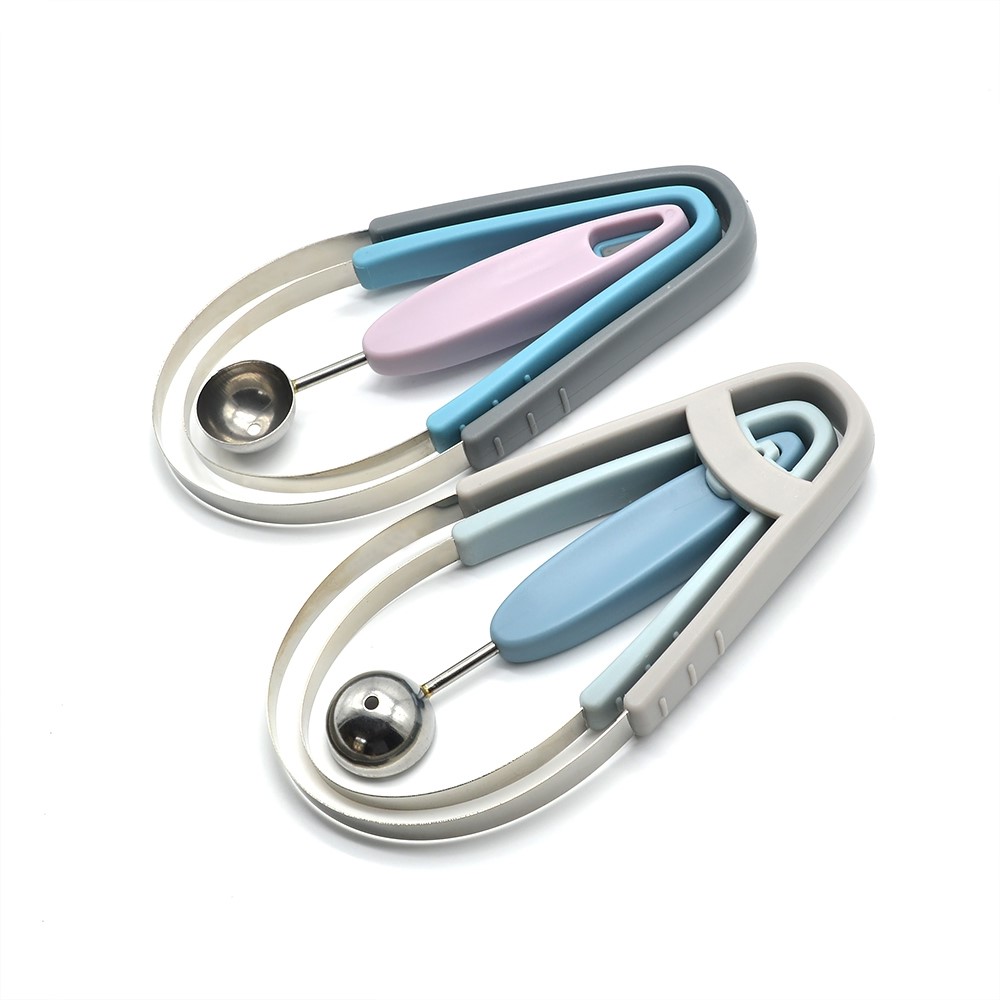
Nesting Fruit Scoop: Practical Selection and Sourcing Guide
A nesting fruit scoop is a compact kitchen tool designed for scooping, portioning, measuring, and storing with less drawer clutter. For households, it can make fruit preparation faster and tidier. For retailers, hospitality buyers, and sourcing teams, it is also a small but important product category where usability, consistency, packaging, and supplier communication matter.
The original idea is simple: multiple scoops fit together in a stacked or nested format. That design saves space and helps keep related pieces organized. However, not every nesting scoop set performs the same way in daily use. Buyers should look beyond appearance and ask how the tool feels in the hand, how it cleans, whether the nesting fit is secure, and how the supplier controls quality during production.
What Is a Nesting Fruit Scoop?
A nesting fruit scoop is usually a set of scoops or spoon-like tools that fit inside one another for compact storage. It may be used for melon balls, soft fruit, dry ingredients, small portions, or simple kitchen prep tasks. Some users also rely on scoop sets when measuring ingredients, serving toppings, or organizing mise en place for recipes.
The main advantage is organization. Instead of loose tools scattered through a drawer, the nesting format keeps sizes together. This can be useful in home kitchens, café prep areas, catering setups, and demonstration kitchens where space is limited and tools must be easy to find.
Everyday Uses in Home and Professional Kitchens
For consumer-facing use, the most important question is whether the scoop makes preparation easier. A good nesting fruit scoop should be comfortable enough for repeated scooping and simple enough to clean after contact with sticky fruit juice or soft pulp.
- Fruit preparation: Scooping melon, kiwi, dragon fruit, mango, or other soft fruits.
- Ingredient portioning: Handling small quantities of dry goods, toppings, or recipe add-ins.
- Serving: Portioning fruit salad, dessert toppings, yogurt additions, or snack bowls.
- Storage efficiency: Keeping several scoop sizes together in one compact stack.
- Meal prep: Reducing the need to switch between spoons, measuring tools, and serving utensils.
Consumers should consider whether the scoop edges are smooth, whether the handle feels stable, and whether the nesting connection is easy to separate without forcing. If the tool will be used by children or in a shared kitchen, rounded edges and easy cleaning become especially important.
Product Selection Checklist
Before buying a nesting fruit scoop for personal use or adding it to a product line, compare samples carefully. The table below highlights practical checkpoints that apply to both consumers and B2B buyers.
| Selection Point | What to Check | Why It Matters |
|---|---|---|
| Nesting fit | Do the pieces stack neatly and separate easily? | Prevents drawer clutter and reduces frustration during use. |
| Edge finish | Are the scoop edges smooth and consistent? | Helps protect fruit texture and improves user comfort. |
| Handle comfort | Is the grip stable when scooping firm or slippery fruit? | Supports repeated kitchen tasks without awkward handling. |
| Cleaning | Are there corners or seams where pulp can collect? | Important for hygiene and daily maintenance. |
| Packaging | Is the set protected and easy to identify at retail? | Matters for wholesale, e-commerce, and giftable kitchenware lines. |
What to Ask a Fruit Scoop Supplier or Factory
When sourcing from a fruit scoop factory or kitchenware supplier, avoid relying only on catalog photos. A sample review and a clear question list can prevent misunderstandings. Because product details can vary by project, buyers should ask suppliers to confirm specifications rather than assume material grade, finish, testing, or packaging options.
- Material and finish: What material is used, and are alternative materials available for OEM projects?
- Sample process: Can the supplier provide pre-production or reference samples for functional review?
- Nesting tolerance: How does the factory check that each scoop stacks securely but separates easily?
- Edge and surface control: What inspection steps are used to reduce rough edges, sharp points, or visible defects?
- Packaging choices: Can the product be packed for retail shelves, e-commerce shipping, or bulk wholesale?
- Customization: Are color, logo, label, or set configuration options available, and what conditions apply?
- Compliance documents: Which test reports or declarations can the supplier provide for the target market?
For B2B buyers, it is also useful to request photos or videos of packed goods, sample labels, and carton markings before shipment. These details are not glamorous, but they help reduce errors in receiving, warehousing, and online listing creation.
OEM and Wholesale Buying Considerations
A nesting fruit scoop can fit many sales channels, including supermarket kitchenware sections, promotional gift programs, home goods stores, online marketplaces, and hospitality supply catalogs. Each channel has different expectations. A retail buyer may prioritize shelf presentation and consumer-friendly instructions, while a distributor may care more about carton efficiency, consistent barcoding, and low damage rates during transport.
If you are planning an OEM order, define the product position before discussing cost. Is the item intended as a basic utility scoop, a coordinated kitchen set, a fruit prep accessory, or a compact measuring and serving tool? The answer affects color planning, packaging style, labeling, and quality requirements.
Buyers should not assume minimum order quantities, lead times, certifications, or price tiers without confirmation. Instead, ask the supplier to quote based on clear information: set quantity, packaging type, destination market, artwork needs, inspection requirements, and forecast volume. Clear briefing helps factories respond with more accurate options.
Care, Cleaning, and Storage Tips
For everyday users, proper care helps a nesting fruit scoop remain pleasant to use. Always follow the supplier’s care instructions, especially if the product has decorative finishes, printed marks, or mixed materials. If dishwasher safety is not clearly stated, hand washing is the safer default.
- Rinse soon after use to prevent fruit pulp or juice from drying on the surface.
- Use a soft sponge around edges, seams, or nesting points.
- Dry each scoop before stacking to reduce trapped moisture.
- Store the full set together so sizes are not lost.
- Inspect periodically for rough edges, cracks, or loosened parts.
In professional settings, assign the scoop to compatible tasks and clean it between uses. If it is used for fruit, dessert toppings, and dry ingredients, staff should understand when washing is required to avoid flavor transfer or residue buildup.
Key Takeaways
- A nesting fruit scoop is valued mainly for compact storage, portioning, and convenient fruit preparation.
- Comfort, smooth edges, secure nesting, and easy cleaning are more important than appearance alone.
- B2B buyers should request samples and confirm material, packaging, customization, inspection, and compliance details.
- OEM projects should begin with a clear brief covering target market, set configuration, and sales channel requirements.
FAQ
Is a nesting fruit scoop only for fruit?
No. While it is designed around fruit preparation, many users also use scoop sets for toppings, dry ingredients, desserts, and small serving tasks. The best use depends on the product design and care instructions.
What should I check first when reviewing a sample?
Start with the nesting fit, edge smoothness, handle comfort, and cleaning areas. These features directly affect daily usability and customer satisfaction.
Can a fruit scoop factory provide custom colors or branding?
Some suppliers may offer customization, but availability depends on the factory, order conditions, tooling, packaging, and artwork requirements. Buyers should ask for written confirmation and sample approval.
How should wholesale buyers compare suppliers?
Compare samples, communication speed, packaging options, inspection process, document availability, and experience with your target sales channel. Price is important, but it should not be the only decision factor.
Should I ask for compliance documents?
Yes. Requirements vary by country and sales channel, so buyers should ask the supplier what documents are available and verify whether they match the intended market.
