




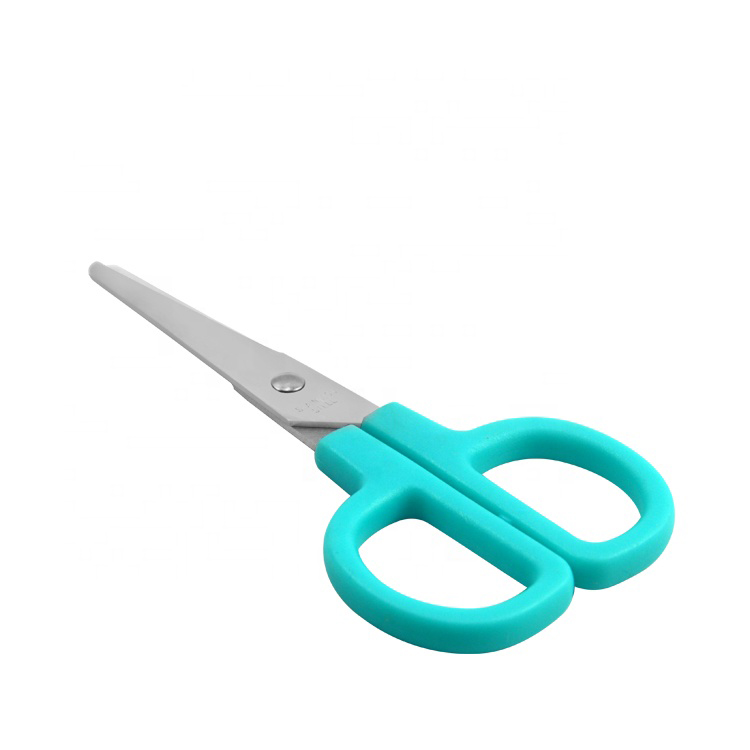
OEM Children Scissors: Safety and Creativity Combined
OEM children scissors are designed for school, home craft, stationery, and retail programs where young users need a safer cutting tool than standard adult scissors. For importers, wholesalers, education suppliers, and private-label brands, the sourcing goal is not only to find an attractive product, but also to confirm that the design, packaging, documentation, and supplier communication match the intended market.
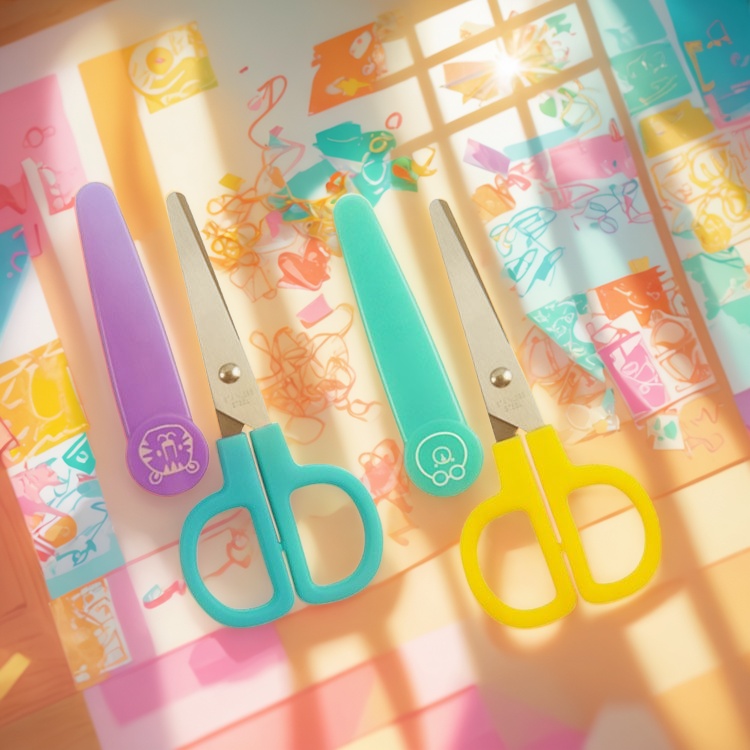
The original product focus highlights children safety scissors, student scissors with cover, ergonomic handles for small hands, and protective storage. This rewritten guide expands those ideas into practical B2B sourcing guidance so buyers can evaluate samples, ask better questions, and reduce avoidable quality or compliance risks.
Key Takeaways
- Children scissors should be evaluated for age suitability, cutting performance, tip shape, handle comfort, and safe storage.
- A cover or sheath can help protect blades during storage and transport, but buyers should still check fit, retention, and durability.
- OEM buyers should avoid assuming materials, certifications, or compliance status; request written confirmation and test reports where needed.
- Sample approval should include real-use checks with paper, craft materials, packaging, and repeated opening and closing.
What OEM Children Scissors Are Used For
OEM children scissors are commonly developed for private-label stationery lines, school supply packs, craft kits, promotional education products, and retail houseware or office categories. Compared with general-purpose scissors, they are typically positioned around controlled cutting, smaller hand size, and a more child-friendly appearance.
Search intent for this product is often commercial: buyers may be looking for a scissors factory, an OEM supplier, or a wholesale product that can be adapted with custom colors, packaging, branding, or bundle formats. The most important sourcing decision is whether the item is suitable for the user group and selling channel. A product for supervised preschool craft use may require different design priorities than a product for older students in a school stationery set.
Safety-Focused Design Points to Review
The source article mentions features such as blunted tips, rounded edges, ergonomic handles, and student scissors with cover. These are useful design directions, but buyers should verify the exact construction on the sample rather than relying on category names alone. A product called children safety scissors may still vary in blade sharpness, tip radius, handle size, and cover security.
When reviewing samples, consider the following points:
- Tip and edge profile: Check whether the tips are rounded and whether any exposed edges feel rough or sharp beyond the cutting edge.
- Handle fit: Confirm that the grip suits the target age range and can be used comfortably by both left and right hands if that is required.
- Cover performance: If a cover is included, test whether it slides on easily, stays attached during storage, and does not create small loose parts concerns for the intended market.
- Opening and closing action: The scissors should move smoothly without excessive looseness, wobble, or pinching points.
- Cutting control: Test common use materials such as paper and light craft materials, then ask the supplier what materials the product is designed to cut.
Comparison and Buyer Checklist
Before placing an OEM order, compare candidate products using a structured checklist. This helps separate visual appeal from practical performance and documentation readiness.
| Evaluation Area | What to Check | Questions to Ask the Supplier |
|---|---|---|
| Safety design | Rounded tips, smooth edges, controlled blade exposure, no obvious burrs | What age range is this model designed for, and what safety tests can you document? |
| Cover or sheath | Fit, retention, ease of removal, storage protection | Is the cover included by default, and can it be color-matched or branded? |
| Handle comfort | Size, grip shape, surface finish, fatigue during use | Can you provide handle dimensions and sample options for different age groups? |
| Cutting performance | Paper cutting, light craft use, smooth blade movement | What materials is this model intended to cut, and what should it not be used for? |
| OEM packaging | Blister card, pouch, box, instruction insert, barcode area | What packaging formats are available, and what artwork files do you require? |
| Quality control | Visual defects, assembly consistency, cover fit, carton packing | What inspection process do you follow before shipment, and can third-party inspection be arranged? |
How to Work With a Scissors Factory or OEM Supplier
For B2B buyers, communication clarity matters as much as product appearance. Start by sharing the sales channel, target user age range, destination market, expected packaging style, and whether the item will be sold alone or as part of a kit. This context helps the supplier recommend a suitable student scissors model rather than simply quoting the cheapest option.
Because the original information does not state manufacturing capacity, MOQ, certifications, material grades, or testing results, buyers should request these details directly. Ask for current product specifications, available customization scope, production lead time, packing method, carton details, and documentation relevant to your market. If compliance is required for toys, school supplies, or children’s products in your destination country, confirm the applicable standards with a qualified compliance partner and ask the supplier for supporting documents.
OEM Customization Considerations
OEM children scissors often involve customization, but every change can affect cost, tooling, timeline, and approval requirements. Common customization requests may include handle color, cover color, logo placement, retail card design, language on packaging, barcode labels, and set combinations with other stationery items. Buyers should confirm which options are available on an existing model and which require new tooling or special production.
Artwork should be reviewed carefully. Packaging for children’s products should use clear instructions, safe-use reminders, and accurate age guidance where required. Avoid exaggerated claims such as “injury-proof” or “fully safe” unless they are legally supportable in the destination market. A better approach is to describe verifiable features, such as a protective cover or rounded-tip design, only when the supplier confirms they apply to the selected model.
Sample Testing Before Bulk Order
A good sample review should be practical and repeatable. Inspect several pieces, not only one presentation sample. Open and close the scissors repeatedly, check alignment, test the cover, and cut typical classroom or craft materials. Look for loose screws or rivets, uneven handles, rough plastic edges, printing defects, and packaging weakness.
If the scissors are intended for retail, test how they look on shelf and how easy it is for a customer to understand the product. If they are intended for school procurement, durability, clear labeling, and bulk packing may be more important than decorative packaging. For online sales, pay attention to the product photo accuracy and whether the actual item matches the listing description.
Practical FAQ
Are children safety scissors completely risk-free?
No cutting tool should be described as risk-free. Safety-focused designs can reduce certain hazards, but children should use scissors according to age guidance and under appropriate supervision.
Why choose student scissors with cover?
A cover helps protect the blades during storage, transport, or placement inside a pencil case. Buyers should still test whether the cover fits securely and is suitable for the target age group.
What should OEM buyers ask before ordering?
Ask about product dimensions, intended age range, materials, available packaging, customization limits, lead time, MOQ, inspection process, and any test reports or compliance documents required for your destination market.
Can the scissors cut fabric?
The original article mentions paper and fabric, but cutting ability depends on the selected model and blade design. Confirm intended materials with the supplier and test samples before making product claims.
How can buyers reduce quality problems?
Approve final samples, create a written specification sheet, define acceptable packaging and labeling, arrange pre-shipment inspection when needed, and keep a retained sample for comparison.
Final Sourcing Advice
OEM children scissors can be a strong product category for school, craft, and stationery buyers when sourcing is handled carefully. Focus on verified design features, sample performance, cover quality, packaging clarity, and supplier documentation. Instead of relying on broad claims, build a checklist, ask specific questions, and approve details in writing before production. That approach supports safer product selection and more reliable wholesale purchasing.
