




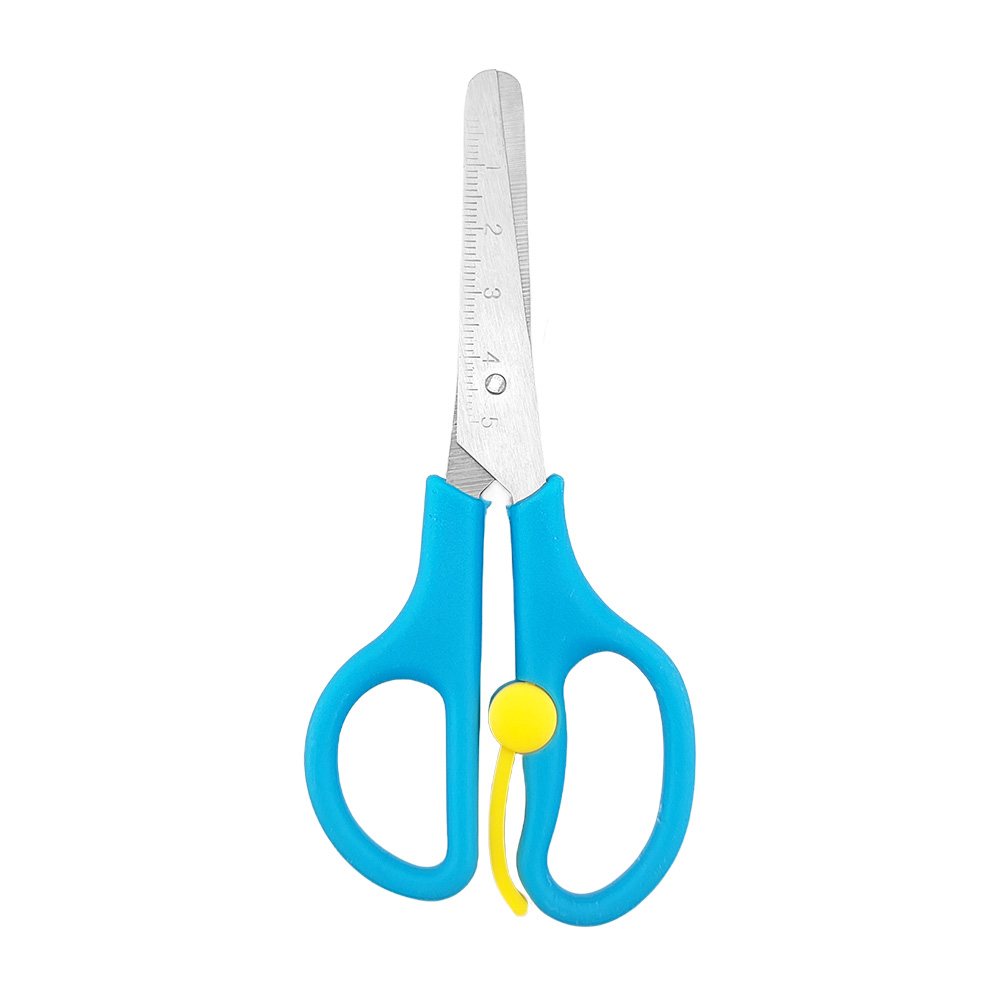
5 Inch Children Scissors: Safety, Fun, and OEM Sourcing Guidance
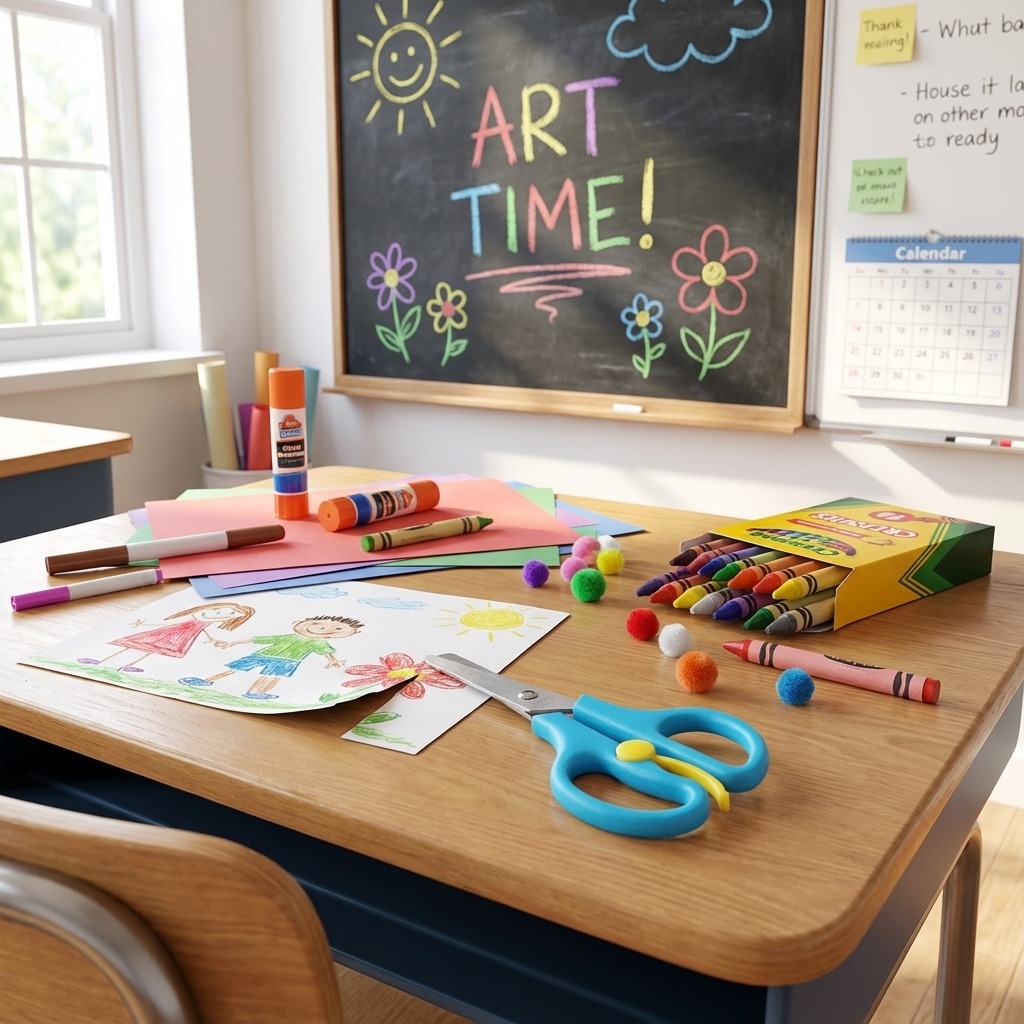
Five inch children scissors sit in a practical middle ground: small enough for young hands, yet useful for common classroom and craft tasks. For retailers, school suppliers, stationery brands, and OEM buyers, the goal is not simply to choose the brightest color. A suitable children scissors program should balance safe handling, comfortable control, predictable cutting performance, packaging needs, and clear supplier communication.
The original product focus highlights OEM children scissors, colorful kids scissors, children craft scissors, and spring scissors for kids. This guide expands those themes into a sourcing checklist that can help buyers compare options without relying on vague claims. Because product details can vary by model and production order, commercial points such as material grade, testing reports, MOQ, lead time, and packaging specifications should be confirmed directly with the supplier before placing an order.
Key Takeaways
- Five inch children scissors are commonly considered for school, home craft, and beginner cutting activities.
- Rounded or blunt tips, comfortable grips, and controlled blade movement are important evaluation points.
- Spring scissors may help beginners by returning the blades to an open position, but the mechanism should be checked sample by sample.
- OEM buyers should ask about customization, packaging, labeling, inspection standards, and compliance documentation instead of assuming details.
Why the 5 Inch Size Matters
Children’s scissors need to feel manageable. If the tool is too large, a child may struggle to align the blades, keep the paper steady, or cut along a line. A 5 inch format is often chosen for entry-level craft kits and school supply assortments because it can suit basic paper cutting while remaining compact for pencil cases or classroom storage bins.
For sourcing teams, size also affects merchandising. A smaller pair of scissors can fit into blister cards, stationery sets, school packs, or craft bundles. However, buyers should request actual dimensions, sample weights, and packaging drawings when evaluating an OEM order. Even small differences in handle shape or blade length can change how the scissors feel in use.
Safety Features to Review Before Ordering
Children scissors are not toys; they are cutting tools intended for supervised use. Safety evaluation should start with visible design features and continue through documentation and sample testing. The source article mentions rounded or blunt tips, which are commonly used to reduce the chance of poking injuries during normal craft work. Buyers should confirm the tip style on the exact item being quoted.
Other practical safety questions include:
- Do the scissors open and close smoothly without pinching near the pivot?
- Are the blade edges appropriate for paper and light craft materials, not heavy-duty cutting?
- Is there a recommended age range on the packaging or instruction card?
- Are any small parts, locks, springs, or decorative pieces securely assembled?
- Can the supplier provide relevant test reports or compliance documents for the target market?
Buyers should avoid generic statements such as “safe for all children.” Instead, define the intended user group, use scenario, and market requirements, then ask the supplier to match samples and documents to those requirements.
Colorful Kids Scissors and Classroom Engagement
Color is not only a design choice. In a classroom, colorful kids scissors can help teachers sort supplies by group, table, or activity. In retail, color options can make a display easier to understand and can support assorted pack strategies. For brand owners, handle color may also connect the product to a wider stationery or craft line.
When discussing OEM customization, ask whether colors are standard or custom matched. If custom color is important, request physical color chips or approved samples rather than relying only on screen images. Also confirm whether the handle material, surface texture, and printing area can support your branding needs. A good sourcing brief should identify which parts may be customized, which are fixed, and how color variation will be controlled during production.
Children Craft Scissors in Daily Use
Most children craft scissors are used for paper, activity sheets, lightweight card, stickers, and simple classroom projects. The original article also mentioned lightweight fabrics, but buyers should be careful here: cutting performance depends on blade design, sharpness, and material thickness. If fabric cutting is required, send the supplier your exact sample material and ask for test cuts before confirming the order.
Comfort is another major factor. A handle may look ergonomic but still be difficult for smaller hands. Review the finger openings, grip texture, overall balance, and whether the scissors are suitable for right-handed, left-handed, or universal use. For school programs, durability under repeated use is important, but it should be validated through sample handling and inspection criteria rather than assumed from product appearance.
Spring Scissors for Kids: When They Help
Spring scissors for kids include a mechanism that helps the blades return to an open position after each cut. This can be useful for beginners who are still developing hand strength and coordination. The original article also referenced a safety lock, which can be helpful for storage when the scissors are not in use. Because spring and lock designs vary, buyers should check how easy the feature is for an adult to operate and how secure it remains after repeated opening and closing.
Spring-assisted models are not always the best choice for every assortment. They may require additional assembly checks, and some buyers may prefer a simpler traditional style for lower complexity. The right decision depends on user age, classroom supervision, target price point, and packaging plan.
Comparison Checklist for OEM Buyers
| Evaluation Area | What to Check | Questions to Ask the Supplier |
|---|---|---|
| Size and handling | 5 inch format, weight, handle openings, balance | Can you provide actual measurements and pre-production samples? |
| Safety design | Rounded or blunt tips, smooth pivot, secure parts | What age guidance and warning text do you recommend for the target market? |
| Cutting use | Paper, light card, craft sheets, approved sample materials | Can you test the scissors with our supplied materials? |
| Spring mechanism | Auto-open action, lock function, repeated-use stability | How is the spring or lock inspected during production? |
| OEM customization | Handle color, logo area, packaging, assortment options | Which elements are customizable, and what files or color references are needed? |
| Documentation | Inspection reports, market compliance documents, labeling details | Which documents can be provided for our destination market? |
Practical OEM Sourcing Steps
- Define the use case. Decide whether the scissors are for school supply packs, retail craft kits, promotional stationery, or classroom procurement.
- Request representative samples. Test the exact model, color, spring option, and packaging style being considered.
- Check real handling. Have adults evaluate opening force, grip comfort, tip shape, and whether cuts are controlled on intended materials.
- Confirm packaging and labeling. Ask about barcode placement, warning text, language requirements, and carton packing details.
- Set inspection criteria. Define acceptable appearance, color tolerance, blade alignment, pivot smoothness, and packaging condition before production.
This approach helps prevent misunderstandings. It also gives the supplier a clearer target, which is especially important for OEM children scissors where small design differences can affect safety perception and user comfort.
FAQ
Are 5 inch children scissors suitable for toddlers?
Suitability depends on the child, supervision, product design, and the supplier’s recommended age range. Buyers should confirm age guidance and labeling before selling or distributing the product.
What materials should children craft scissors cut?
They are commonly used for paper and light craft materials. If you need them to cut card, stickers, foam sheets, or lightweight fabric, provide samples and ask the supplier to test performance.
Are spring scissors better than standard kids scissors?
Spring scissors can help beginners because the blades reopen after each cut. However, they add a mechanism that should be checked for smooth action, secure assembly, and reliable locking if a lock is included.
Can OEM children scissors be customized?
Often, buyers discuss handle colors, logo placement, packaging, and assortment plans with a supplier. Exact customization options, MOQ, lead time, and artwork requirements should be requested directly.
What should importers ask before confirming an order?
Ask for samples, specifications, packaging details, inspection standards, compliance documents for the destination market, and written confirmation of any custom features included in the quotation.
