




OEM Household Scissors: 7-Inch Rosy-Edge Sourcing Guide
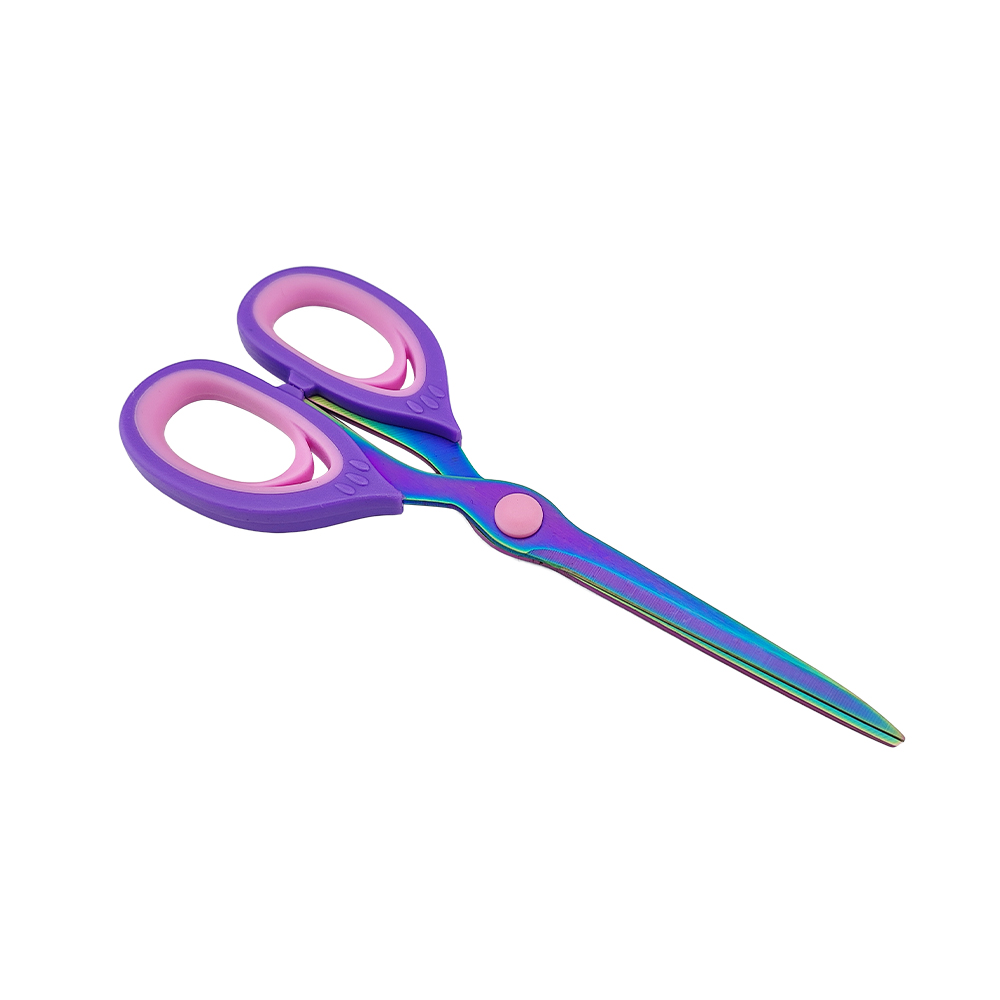
Household scissors are a small item, but for retailers, importers and private-label buyers they can affect repeat purchases, reviews and brand trust. The Rosy-Edge Precision Scissors described in the original Bonet Houseware article are positioned as OEM household scissors for everyday home use, with a 7-inch size, an iridescent blade appearance in blue and green tones, and purple-pink handles. Those visible design cues make the product suitable for buyers looking beyond basic utility scissors, especially for home, craft, stationery and general kitchen-drawer categories.
This rewritten guide focuses on how to evaluate and source a similar OEM household scissors product responsibly. It does not assume unverified specifications such as blade material grade, production capacity, certifications, minimum order quantity or test results. Instead, it highlights the questions a buyer should ask before confirming a supplier or private-label order.
Product Snapshot: What Is Explicitly Shown
The original article presents the item as a pair of OEM household scissors in a 7-inch format. It also describes an iridescent blade that shows blue and green tones, plus ergonomic handles in purple and pink hues. These are useful facts for product positioning because color, handle shape and overall size can influence shelf appeal and target audience.
For sourcing purposes, the 7-inch size is a common middle-ground option: large enough for routine household cutting tasks, but still compact for drawer storage, school supplies, craft kits and light office use. However, buyers should confirm the exact measured length, blade length, handle opening dimensions and weight with the supplier’s specification sheet before ordering.
Best-Fit Sales Channels and Use Cases
Colorful household scissors can work across several channels, but each channel may require different packaging, safety language and quality expectations. A discount retailer may prioritize cost control and simple packaging, while a craft brand may care more about color consistency, handle comfort and clean cutting on paper or fabric samples.
- Home goods retailers: general scissors for drawers, laundry rooms, gift sets and household tool assortments.
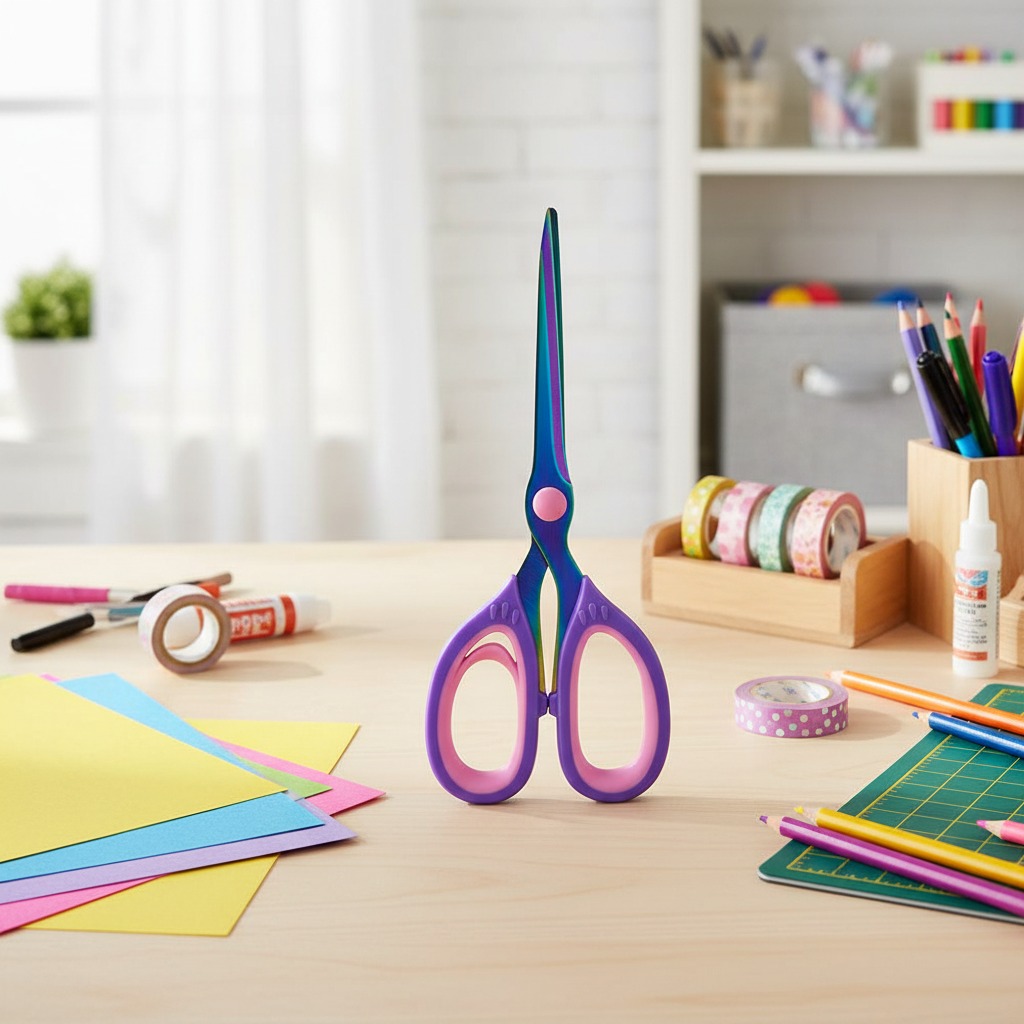
- Stationery and craft sellers: appealing colors for paper crafts, hobby use and school-related displays.
- Private-label importers: OEM branding, hang-card design and assortment planning.
- Online sellers: product photos, accurate measurements and clear use limitations become especially important.
When presenting the item online, avoid broad claims such as “professional grade” unless the supplier can document the specification and performance standard behind the phrase.
OEM Sourcing Checklist
The table below can help buyers compare the Rosy-Edge style scissors with other 7-inch household scissors options. It is not a specification claim; it is a practical checklist for supplier discussions.
| Evaluation Area | What to Confirm | Why It Matters |
|---|---|---|
| Size | Overall length, blade length, handle dimensions and tolerance | Prevents mismatch between photos, packaging and customer expectations |
| Blade details | Material, surface finish, hardness target and sharpening method | Affects cutting feel, durability and corrosion resistance |
| Handle | Material, color matching, grip shape and left/right hand suitability | Influences comfort and usability for different customers |
| Color finish | How the blue-green blade effect is produced and controlled | Supports consistent retail appearance across batches |
| Packaging | Blister, card, sleeve, bulk pack or customized retail pack | Impacts safety, shelf display, shipping volume and branding |
| Compliance | Applicable market requirements, labeling and documentation | Reduces import, retail and marketplace listing risks |
Key Questions to Ask a Scissors Factory or Supplier
For OEM household scissors, the most important supplier conversations happen before the first purchase order. Ask specific questions and request written answers where possible.
- What blade material and handle material are used for this exact model?
- Can the supplier provide a full specification sheet with measurements and tolerances?
- Is the iridescent blade finish standard, or does it require a custom production run?
- What color control method is used for the purple and pink handle combination?
- What packaging options are available for retail, e-commerce and bulk wholesale?
- Can the supplier support OEM logo placement, and where can the logo be applied?
- What inspection process is used for sharpness, alignment, opening and closing action?
- Which documents are available for the target market, if required by the buyer?
These questions help separate a decorative sample from a repeatable product that can be sold under a private label.
Quality Inspection Points Before Shipment
Even an attractive pair of scissors can create problems if the hinge feels loose, the blades rub unevenly or the handles have rough edges. For pre-shipment inspection, buyers should create a checklist that reflects the actual order and packaging style.
Common inspection points include visual finish, blade alignment, opening and closing smoothness, tip condition, handle surface, color consistency, label accuracy and packaging protection. For functional checks, specify the sample cutting materials in advance, such as standard office paper or lightweight craft material. Do not rely on vague terms like “sharp enough”; define an acceptable test method and acceptance level with the supplier.
Packaging and Private-Label Considerations
Packaging for household scissors must balance presentation and safety. A colorful 7-inch model may photograph well, but retail packaging should also protect the blade tips and reduce movement during shipping. If the product will be sold online, consider whether the package can survive parcel handling without the scissors piercing the card or blister.
For OEM projects, buyers should prepare logo files, barcode requirements, warning statements, language versions and carton marks early. If the supplier offers artwork support, ask for dielines and approval samples. Buyers should also confirm whether packaging materials, inserts and printed claims match the regulations and retailer requirements of the destination market.
Use and Care Guidance for End Customers
Clear care instructions can reduce complaints and extend product life. Unless the supplier verifies otherwise, position these scissors as general household scissors rather than heavy-duty industrial cutting tools.
- Use for normal household tasks such as paper, light craft materials and packaging.
- Avoid cutting hard wire, thick plastic, metal, bone or other materials outside the intended use.
- Wipe the blades dry after contact with moisture.
- Store with the blades closed and keep away from children when not in supervised use.
- If the scissors become stiff, ask the supplier whether a small amount of lubricant is recommended for the pivot.
Key Takeaways
- The Rosy-Edge concept is a 7-inch OEM household scissors product with a colorful blade and handle appearance.
- Buyers should verify materials, dimensions, packaging and compliance documents instead of assuming specifications.
- Color consistency, blade alignment and handle comfort are important quality points for repeat orders.
- Private-label success depends on clear artwork, inspection standards and realistic product claims.
FAQ
Are these scissors suitable for private-label programs?
They may be suitable for OEM or private-label sourcing, but buyers should confirm logo options, packaging choices, order requirements, artwork process and sample approval steps with the supplier.
What should buyers verify about the 7-inch size?
Confirm total length, blade length, handle size, product weight and packaging dimensions. A “7-inch” label alone is not enough for retail listings or planogram planning.
Can buyers claim the scissors are stainless steel or professional grade?
Only if the supplier provides documentation supporting those claims for the exact model. If material grade or performance level is not verified, avoid using the claim in product listings.
What is the most important inspection check?
Blade alignment and cutting consistency are critical. Buyers should define the cutting test material, sampling method and acceptable defect limits before production or shipment.
How should the product be positioned?
Position it as colorful household scissors for everyday home, stationery or light craft use, unless additional verified specifications support a more specialized claim.
