




OEM Kitchen Scissors: A Practical Sourcing and Product Review
OEM kitchen scissors are a small product with a large impact on daily food preparation, retail presentation and customer satisfaction. For importers, distributors, supermarket buyers and private-label brands, the question is not only whether a pair of scissors cuts well. The better question is whether the product is consistent, comfortable, easy to clean, suitable for the target market and supported by a supplier who can answer sourcing questions clearly.
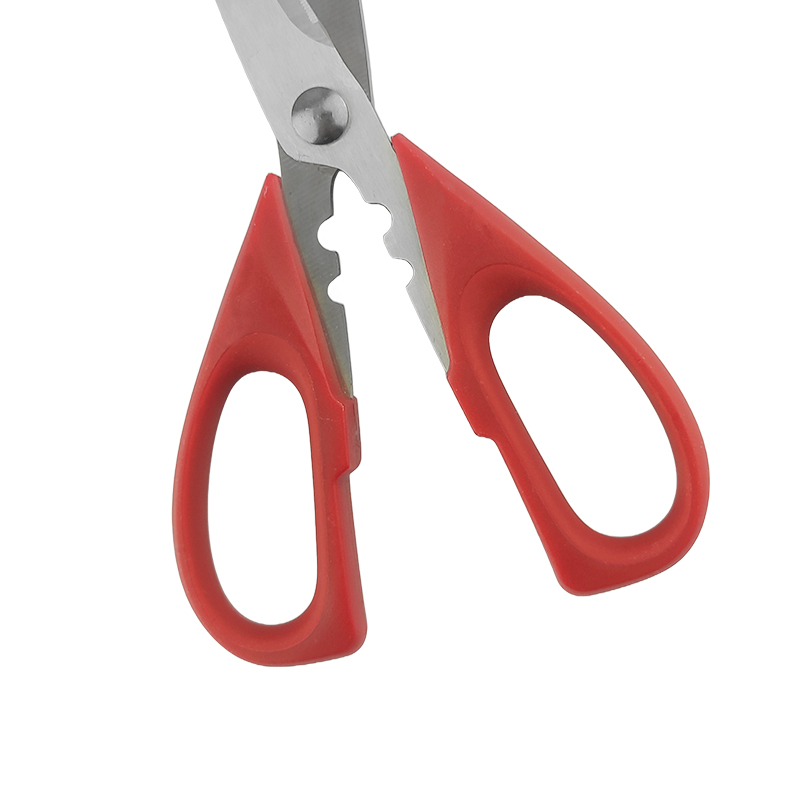
The original article introduced the PrecisionCraft Elite as an example of multi-functional kitchen scissors with stainless steel blades, red ergonomic handles and use cases such as snipping herbs, trimming meat fat, opening packaging, slicing pizza and spatchcocking chicken. This rewritten review keeps those explicit points while adding a more practical B2B lens for buyers evaluating OEM kitchen scissors for wholesale or private-label programs.

Key Takeaways
- OEM kitchen scissors should be assessed as both a cutting tool and a retail product, not simply as a low-cost accessory.
- Useful buying criteria include blade sharpness, handle comfort, hygiene, packaging, replacement consistency and supplier communication.
- The source article states that the reviewed scissors use stainless steel blades and red ergonomic handles made from high-impact resistant materials.
- Buyers should ask suppliers for product specifications, packaging options, sample policies, quality checks and any market-specific compliance documents.
What OEM Kitchen Scissors Need to Do Well
A strong pair of kitchen scissors should handle frequent kitchen tasks without feeling awkward or unsafe. In consumer use, that may mean cutting herbs directly over a pan, trimming fat from meat, opening sealed food packaging or cutting pizza into portions. In commercial resale, the same product also has to make sense on a shelf, in an online listing and in after-sale customer feedback.
For OEM and private-label projects, buyers should define the intended customer before comparing samples. A supermarket value line may prioritize simple operation and reliable packaging. A cookware brand may need a more refined handle finish and stronger perceived durability. A foodservice distributor may care more about grip, cleaning and repeat performance under heavy use.
Blade Performance and Material Questions
The original article describes the PrecisionCraft Elite with stainless steel blades and positions them as sharp enough for herbs, meat trimming, packaging and pizza. Stainless steel is a common choice for kitchen scissors because it is associated with corrosion resistance and everyday food-prep suitability, but buyers should still request the exact material information from the supplier rather than assuming a grade.
When evaluating samples, test the scissors across realistic tasks. Thin herbs show whether the blades crush instead of cut. Food packaging tests edge alignment and leverage. Meat trimming reveals whether the user has enough control around slippery surfaces. Pizza cutting tests comfort and clearance. If a supplier promotes multi-functional kitchen scissors, ask which use cases the design is actually intended to support.
Handle Comfort, Control and User Safety
The reviewed product is described as having red ergonomic handles made from high-impact resistant materials. That is useful information, but B2B buyers should go further by checking how the handle fits different hand sizes and whether the grip remains stable when wet. A shape that looks comfortable in photos can still create pressure points during repetitive prep work.
Comfort also affects perceived quality. If the handle feels thin, slippery or poorly balanced, customers may question the entire product even when the blade is sharp. For wholesale kitchen scissors, request pre-production samples and have several people test them. Ask them to cut, rinse, dry and repeat typical tasks. Short user trials often reveal problems that product photos cannot show.
Multi-Function Features: Useful or Overcomplicated?
Multi-functional kitchen scissors can reduce drawer clutter, but extra features should be relevant to the buyer's market. The source article highlights practical tasks rather than listing separate built-in tools. That is a good starting point: focus first on core cutting performance, then consider whether additional functions are needed.
Before adding features to an OEM version, ask whether they improve use or mainly increase cost and complexity. A bottle opener, nutcracker section or detachable blade design may help some product lines, but each choice can influence tooling, cleaning, packaging, instructions and quality inspection. Clear priorities make the sourcing process more efficient.
Comparison Checklist for OEM Buyers
| Evaluation Area | What to Check | Questions to Ask the Supplier |
|---|---|---|
| Blade performance | Clean cutting on herbs, packaging, meat trimming and pizza | What blade material and thickness are used, and can specifications be documented? |
| Handle design | Comfort, balance, grip and fit for different hand sizes | What handle material is used, and are color or logo options available? |
| Cleaning | Food residue traps, hinge access and drying ease | What care instructions should appear on packaging or inserts? |
| Packaging | Retail display, barcode space, safety during shipping | Can the supplier provide private-label packaging templates or dielines? |
| Quality control | Edge consistency, alignment, handle finish and opening smoothness | What inspections are performed before shipment, and can reports be shared? |
Packaging and Private-Label Considerations
Kitchen scissors are often bought quickly, so packaging has to communicate the main benefits without making unsupported claims. Use clear wording such as stainless steel blades only when confirmed by the supplier. If the product is positioned for herbs, meat trimming, packaging and pizza, show those use cases in icons or short copy, but avoid claims that cannot be verified.
Private-label buyers should prepare logo files, color references, barcode requirements, warning text and market language needs before requesting a quote. Also ask whether the supplier can support sample packaging, carton markings and product photography. These details affect launch timelines as much as the physical scissors.
How to Vet a Supplier Before Ordering
- Request current product specifications, including blade material, handle material, dimensions and weight if available.
- Order samples and test them against the real tasks your customers are likely to perform.
- Ask about OEM options such as handle color, logo placement, packaging style and instruction inserts.
- Clarify commercial terms, including MOQ, lead time, payment terms and sample fees, instead of assuming standard conditions.
- Ask what quality checks are used for sharpness, blade alignment, handle finish and packed goods.
- Confirm which compliance or safety documents are relevant for your destination market.
Practical Verdict
Based on the explicit details in the source article, the PrecisionCraft Elite is presented as a versatile pair of OEM kitchen scissors with stainless steel blades and red ergonomic handles. Its listed uses are practical and relevant to everyday cooking: herbs, meat trimming, packaging, pizza and even poultry preparation. For a buyer, however, the final decision should depend on verified specifications, sample testing and supplier responsiveness.
The strongest OEM kitchen scissors are not necessarily the most complicated. They are the ones that cut consistently, feel stable in hand, clean reasonably well and arrive in packaging that matches the retail channel. Treat the product as a complete sourcing project, and the review process becomes much more reliable.
FAQ
What should buyers test first in OEM kitchen scissors?
Start with cutting performance, blade alignment, handle comfort and cleaning. These areas influence daily user satisfaction more than decorative features.
Can OEM kitchen scissors be customized for private label?
Often they can, but available options depend on the supplier. Ask about logo placement, handle color, packaging format and any tooling requirements.
Should buyers assume all stainless steel blades are the same?
No. The source states that the reviewed scissors have stainless steel blades, but buyers should ask for the exact material specification and supporting documentation.
What information is needed for an accurate wholesale quotation?
Prepare target quantity, packaging type, branding requirements, destination market, expected delivery timing and any required documents before requesting a quote.
Are multi-functional kitchen scissors always better?
Not always. Extra functions are useful only when they match customer needs and do not make the product harder to clean, package or inspect.
