




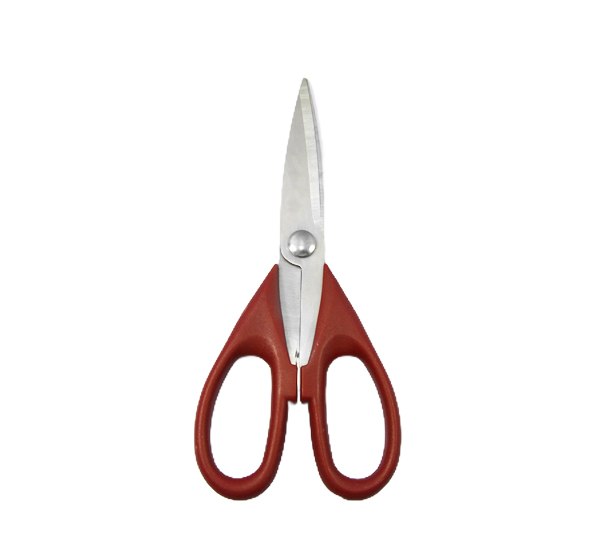
OEM Kitchen Scissors: Practical Sourcing Guide for Buyers
OEM kitchen scissors are a common product category for retailers, distributors, houseware brands, promotional buyers, and private-label kitchen tool programs. The search intent behind this topic is usually practical: buyers want to understand what makes a pair of kitchen scissors useful, how to compare factories, and what questions to ask before placing an OEM or wholesale order.
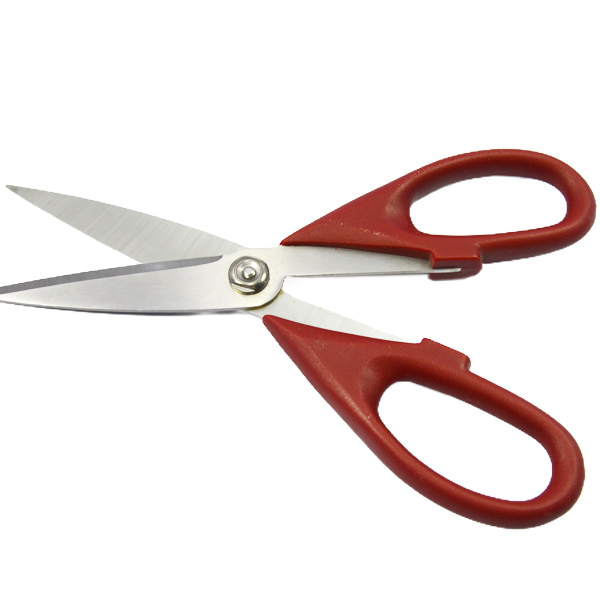
The original product context highlights kitchen scissors designed for everyday cutting tasks, with attention to precision, ergonomic handling, tapered edges, compact storage, and easy cleaning. It also references the Premium Burlywood Kitchen Shears as an example of kitchen shears positioned for routine kitchen use. Where exact technical details are not provided, buyers should confirm them directly with the supplier rather than assuming blade grade, coating, test results, or compliance status.
Key Takeaways
- OEM kitchen scissors should be evaluated by cutting performance, handle comfort, cleaning method, packaging options, and factory communication.
- Sharpness matters, but buyers should also check edge consistency, screw or pivot stability, grip control, and suitability for common kitchen tasks.
- Do not rely on assumptions about stainless steel grade, food-contact compliance, or testing; ask the supplier for written specifications and documents.
- A sample review is essential before committing to a bulk order, especially for private-label, gift-box, or wholesale programs.
What OEM Kitchen Scissors Need to Do Well
Kitchen scissors are expected to handle a range of everyday tasks, from trimming herbs and cutting vegetables to opening food packaging and preparing poultry. A good OEM product does not need exaggerated claims; it needs reliable performance in realistic kitchen use. Buyers should look for clean cutting action, comfortable handles, stable blade alignment, and surfaces that are simple to wipe or wash after use.
The original article mentions features such as tapered edges, ergonomic handles, non-slip grips, serrated edges, pointed tips, compact design, and easy cleaning. These are all useful discussion points when comparing kitchen scissors manufacturers. However, each feature should be verified on a sample because similar descriptions can perform differently depending on blade thickness, edge finishing, handle material, and assembly quality.
How to Evaluate Sharp Kitchen Scissors Manufacturers
Sharp kitchen scissors manufacturers should be able to explain how blade sharpness is produced and controlled. Ask whether sharpening is manual, semi-automatic, or machine controlled. Ask how the factory checks cutting consistency across production batches. For an OEM project, it is also useful to request a sample from the same production route intended for mass production, not only a showroom sample.
Sharpness is only one part of the user experience. A pair of scissors can feel sharp at first but become frustrating if the pivot loosens, the blades rub unevenly, or the handle creates pressure during repeated use. For retail buyers, this matters because returns and negative reviews often come from practical discomfort rather than technical specifications. For wholesale buyers, it affects repeat orders and customer confidence.
Factory Questions Before an OEM Order
A kitchen scissors factory should welcome detailed sourcing questions. Clear answers reduce risk for both sides and help the buyer write accurate product pages, packaging copy, and sales materials. Avoid making commercial claims unless the supplier provides verifiable information.
- What blade material is used, and can the supplier provide the written specification?
- What handle material is used, and is it suitable for the intended market?
- Can the scissors be customized with logo, color, packaging, or handle design?
- What quality checks are performed during and after production?
- What documents are available for food-contact, safety, or market requirements, if applicable?
- What are the sample lead time, production lead time, MOQ, packing method, and replacement policy?
Comparison Checklist for OEM Kitchen Scissors
The table below can help buyers compare samples from different suppliers. It is intentionally practical: the goal is to identify whether the product fits the target customer and price position, not just whether it looks attractive in photos.
| Evaluation Point | What to Check | Why It Matters |
|---|---|---|
| Blade performance | Cut herbs, packaging, vegetables, and poultry skin if relevant | Confirms real cutting ability across common kitchen tasks |
| Edge and tip design | Check tapered, serrated, or pointed areas if offered | Helps match the scissors to delicate or tougher applications |
| Handle comfort | Test grip size, pressure points, and control with wet hands | Improves usability and reduces hand fatigue |
| Pivot stability | Open and close repeatedly and check blade alignment | Affects smooth operation and product durability |
| Cleaning and storage | Review whether the design is compact and easy to clean | Important for daily kitchen hygiene and convenience |
| OEM support | Ask about logo, packaging, color, samples, and documentation | Determines whether the factory fits private-label needs |
Product Positioning for Retail and Wholesale Programs
OEM kitchen scissors can be positioned in several ways: basic household scissors, premium kitchen shears, gift-ready kitchen tools, or professional-style prep accessories. The right positioning depends on the target customer. A supermarket program may prioritize price, packaging efficiency, and clear usage instructions. A specialty kitchenware store may value handle comfort, visual finish, and a stronger story around practical applications. A promotional buyer may focus on logo placement and bulk packing.
When building a product listing, avoid vague claims such as being the best or most advanced unless those statements can be supported. Instead, describe observable benefits: sharp cutting action, ergonomic grip, compact storage, easy cleaning, suitable use cases, and available customization options if confirmed by the supplier.
Sample Testing and Quality Review
Before placing an order, buyers should test multiple samples rather than relying on one unit. Use the scissors repeatedly over several days. Cut different ingredients and packaging materials. Wash and dry the product according to the intended care instructions. Check whether the blades remain aligned, whether the handles feel secure, and whether any screws or joints loosen.
If the product will be sold under a private label, confirm all packaging text before printing. Usage instructions, cleaning advice, country-of-origin marking, barcode placement, and any compliance statements should be reviewed carefully. If a legal or safety requirement applies in the target market, ask for supplier documentation and consider independent verification.
Practical FAQ
What are OEM kitchen scissors?
OEM kitchen scissors are kitchen cutting tools produced for a buyer’s brand, packaging, color preference, or product program. The level of customization depends on the factory’s capabilities.
How do I choose a kitchen scissors factory?
Compare samples, communication quality, quality-control process, customization options, documentation, lead time, and after-sales support. Do not select only by unit price.
Can I claim the scissors are stainless steel?
Only if the supplier provides the exact material information and the claim is accurate for the product being ordered. Ask for written specifications before using material claims in sales copy.
Are serrated edges necessary?
Not always. Serrated edges can help with grip on tougher or slippery materials, while smooth or tapered edges may suit more precise cutting. Choose based on the intended use case.
What should I confirm before bulk production?
Confirm approved sample, blade and handle materials, logo artwork, packaging layout, carton details, quality standard, inspection process, lead time, payment terms, and any required market documentation.
Final Sourcing Advice
OEM kitchen scissors are simple products on the surface, but small details affect user satisfaction. Sharp blades, comfortable handles, clean assembly, and practical packaging all influence whether a buyer can build a dependable retail or wholesale program. The safest approach is to define the target market first, compare factory samples carefully, and ask direct questions about materials, testing, customization, and production control before committing to a large order.
