




OEM Kitchen Scissors: Practical Sourcing Guide for Buyers
Kitchen scissors are a small product, but they can strongly influence the everyday user experience in a kitchenware line. For retailers, distributors, and private-label buyers, OEM kitchen scissors should be evaluated as more than a low-cost add-on. They need to cut reliably, feel comfortable in the hand, clean easily, and fit the intended price position of the range.
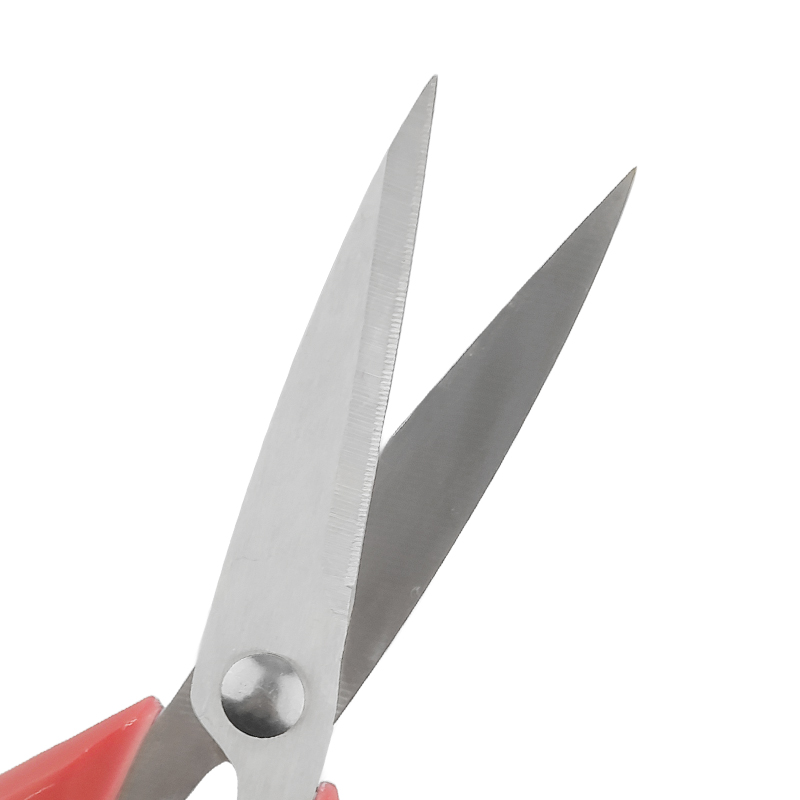
The original product article described a pair of OEM kitchen scissors with a bold red handle, stainless steel blades, and multi-functional use for tasks such as cutting packaging, twine, herbs, poultry, cardboard, and fabric. Those are useful starting points, but B2B buyers also need a structured way to compare samples, question suppliers, and avoid vague claims that are difficult to verify.

Key Takeaways
- OEM kitchen scissors should be assessed by cutting performance, comfort, cleaning method, packaging options, and consistency across samples.
- Do not rely on general claims such as sharp, durable, or professional without asking how those claims are checked.
- For private-label projects, confirm artwork requirements, packing structure, labeling responsibilities, and sample approval steps before placing an order.
- Buyers should ask suppliers about material details, quality control processes, and intended use limitations instead of assuming specifications.
What Buyers Should Look For in OEM Kitchen Scissors
A good pair of kitchen scissors should handle common food-prep and household tasks without feeling unstable. The source article highlights multi-functional use, including cutting herbs, packaging, twine, poultry, cardboard, and fabric. For sourcing purposes, that variety matters because consumers often expect kitchen scissors to solve several small problems, not just cut one ingredient.
However, buyers should define the target use clearly. A household kitchen scissor for light prep does not need the same positioning as heavy-duty poultry shears. If the product page, packaging, or sales copy suggests broad use, the supplier should be able to explain which tasks the sample is designed for and which tasks may shorten its working life.
Blade Performance and Material Questions
The original article states that the scissors have stainless steel blades. That is a useful fact, but it is not enough for procurement decisions. Stainless steel can vary by grade, hardness, finish, corrosion resistance, and edge retention. If these details are not already provided in the commercial documents, buyers should ask the supplier rather than guessing.
During sample review, test the scissors on the real materials your customers are likely to cut. For a kitchenware retailer, that may include herb stems, food packaging, parchment, thin cardboard, and poultry skin. For a promotional or value range, packaging and household use may be more relevant. Record whether the blades bite cleanly at the tip, cut smoothly through the middle, and avoid crushing delicate items.
Handle Comfort, Grip, and User Control
The original article describes vibrant red handles with a contoured shape and a soft, secure grip. This is important because kitchen scissors are often used with wet hands, uneven pressure, or repetitive motion. A comfortable handle can reduce strain, but buyers should still check the feel across different hand sizes.
When evaluating samples, ask several people to use the scissors for a short cutting test. Check whether the finger openings feel restrictive, whether the handle edges press into the hand, and whether the grip feels secure when hands are slightly damp. If the product is intended for a mass-market range, comfort should not depend on one hand size only.
Comparison Checklist for Sample Evaluation
Use a simple checklist to compare OEM kitchen scissors from different suppliers. This helps keep decisions objective and makes it easier to explain feedback during sample revisions.
| Evaluation Area | What to Check | Questions for Supplier |
|---|---|---|
| Blade material | Confirm the stated stainless steel details and finish. | What material grade is used, and how is it documented? |
| Cutting performance | Test herbs, packaging, twine, cardboard, and other target materials. | What cutting tests are used during quality inspection? |
| Handle comfort | Check grip, finger opening size, pressure points, and control. | Can handle color, texture, or branding be customized? |
| Cleaning and care | Review whether the design is easy to rinse and dry. | What care instructions should appear on packaging? |
| Packaging | Assess retail display, barcode space, warning text, and private-label layout. | What artwork files and packaging options are accepted? |
| Consistency | Compare several samples, not just one hand-picked unit. | How is batch consistency checked before shipment? |
OEM and Private-Label Sourcing Considerations
For OEM kitchen scissors, product quality and commercial execution are both important. Buyers should clarify whether the supplier can support logo placement, handle color changes, packaging design, and carton labeling. If the supplier offers customization, ask what information they need to quote accurately, such as drawings, reference samples, artwork files, packaging dimensions, or target market requirements.
Avoid assuming minimum order quantities, lead times, certification status, or test results unless the supplier provides them in writing. These details can vary by project, packaging type, and destination market. A responsible sourcing process should turn each unknown into a direct question.
- Request current product photos, technical details, and available customization options.
- Order samples and test them against your intended use cases.
- Confirm packaging, labeling, and care-instruction responsibilities.
- Ask how pre-shipment inspection is handled and what defects are considered critical.
- Keep an approved sample as the reference for future production checks.
Use and Care Guidance for End Customers
Even strong kitchen scissors can disappoint users if care instructions are unclear. Retailers should provide simple guidance on safe use, washing, drying, and storage. If the scissors are not designed for a dishwasher, bone cutting, frozen food, or industrial materials, those limits should be stated clearly. Buyers should ask the supplier for recommended care wording instead of creating claims that may not match the product design.
For most consumer-facing kitchen scissors, practical care guidance may include washing soon after contact with food, drying the blades before storage, avoiding twisting cuts, and keeping the scissors away from children. If the product has special cleaning features, confirm them with the supplier before mentioning them in marketing copy.
How to Position OEM Kitchen Scissors in a Product Line
OEM kitchen scissors can work as a standalone retail item, a private-label kitchen tool, or part of a broader utensil range. The best positioning depends on the product’s verified strengths. If sample testing shows excellent comfort, lead with ease of handling. If it performs well across packaging, herbs, and light kitchen prep, position it as a multi-functional household tool. If the main appeal is color and shelf visibility, make sure that appearance does not hide weak cutting performance.
For wholesale buyers, the safest approach is to align the product description with evidence from sample testing and supplier documents. Clear, accurate claims reduce returns, protect customer trust, and make the product easier for sales teams to explain.
FAQ
What makes OEM kitchen scissors different from regular kitchen scissors?
OEM kitchen scissors are produced for a buyer’s brand, packaging, or specification. The base function may be similar, but the buyer may request changes such as handle color, logo placement, retail packaging, or other project-specific details if the supplier can support them.
Can buyers claim the scissors are stainless steel?
The original article states that the blades are stainless steel. For commercial use, buyers should still ask the supplier for the exact material details and any supporting documentation before adding more specific claims.
What should be tested before placing a wholesale order?
Test cutting performance, handle comfort, blade alignment, cleaning ease, packaging strength, and consistency across multiple samples. The test materials should match the product’s intended customer use.
Are these scissors suitable for cutting poultry?
The original article mentions poultry as one tested use. Buyers should ask the supplier to confirm the intended use range and any limitations before marketing the scissors for poultry preparation.
What information should buyers request for a private-label project?
Ask about customization options, artwork requirements, packaging formats, material details, quality-control steps, lead time, minimum order quantity, and any market-specific labeling responsibilities. These should be confirmed directly with the supplier.
