




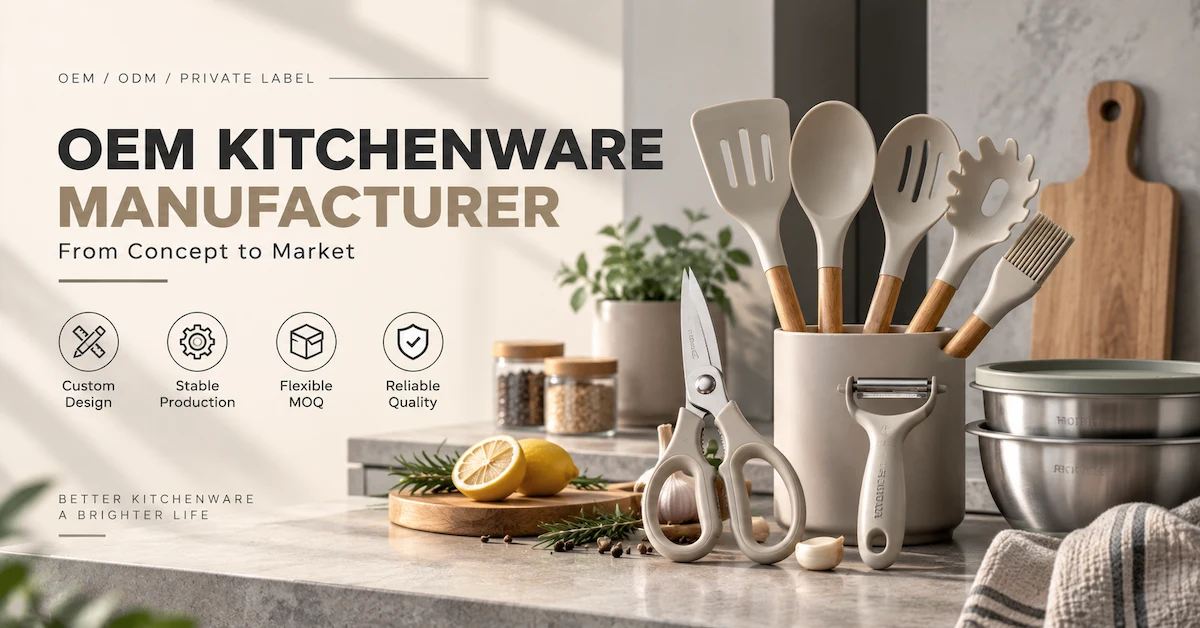
Here is a quick way to judge an OEM kitchenware manufacturer: ask how your sample becomes a production file that purchasing, the line, and the inspection team can all recognize. Price matters, of course. So do finish, packing, and delivery. But if the factory cannot keep one approved version intact from the sample bench to the packed carton, a cheap quote will not stay cheap for long.
Importers and brand teams often begin with a price list. Begin one step earlier. Define the item, then ask for evidence that the proposed route fits it. Below, we work through that choice much as a buyer would: manufacturing model first, then samples, quality checks, packaging, and the final comparison. BONET HOUSEWARE's current range gives us concrete examples from knives and scissors to utensils, boards, gadgets, and multifunctional kitchen products. Its published OEM/ODM service also covers work from a customer's drawing or sample, along with choices for material, color, logo, package, structure, feasibility, sampling, and production support.
What Does an OEM Kitchenware Manufacturer Actually Do?
When kitchenware buyers say OEM, they usually mean, “make this item to our agreed version.” The starting packet might be a drawing. Sometimes it is a sample with handwritten notes, or an existing product that needs two controlled changes. A detailed specification is better, but few first enquiries arrive complete. The buyer owns the commercial brief: what the item does, how it should look, where it sits in the range, and how it reaches the customer. The factory's job is to say what can be built consistently, close the gaps, and carry the approved version into repeat orders.
The practical job is broader than fabrication. A capable OEM kitchenware supplier should help the buyer close specification gaps before production. A request such as “black silicone utensil set with our logo” still leaves unanswered questions about the item mix, dimensions, material grades, color reference, logo method, packaging structure, label content, carton configuration, inspection standard, and intended use. Every unanswered question can become a different interpretation on the line.
Experienced buyers watch the information flow as closely as the machines. A supplier that interrupts a vague brief with exact questions is doing useful work. It keeps signed-off details apart from open decisions, which is where many costly misunderstandings begin. There can be a second benefit when one factory covers several related categories: colors, logos, and packs are easier to review as a family instead of as six unrelated purchases.
First Decision: OEM, ODM, or Private Label?
Suppliers use these labels rather loosely. Even so, each route starts in a different place. Name the route before requesting prices, and the quotations are much easier to compare. It also becomes clear who still has to make each product decision.
| Model | Typical starting point | Buyer involvement | Best suited to |
|---|---|---|---|
| OEM | Buyer drawing, specification, or approved reference sample | High control over dimensions, materials, appearance, and acceptance criteria | Established brands with a defined product concept |
| ODM | Market need, performance target, or early concept | Collaborative decisions during feasibility, structure, material, sample, and packaging work | Teams that need development support before mass production |
| Private label | An existing product platform adapted for a brand | Focused on assortment, color, logo, presentation, and commercial packaging | Retailers and growing brands seeking a more direct launch path |
Choose OEM when the item is already defined and the factory's main responsibility is to reproduce it faithfully. Bring in an ODM kitchenware manufacturer when you still need the awkward questions answered: will the structure work, which material makes sense, what must change after sampling, and can the result be produced repeatedly? A private label kitchenware manufacturer is often the practical choice when speed and assortment building matter more than a fully original structure.
These models can overlap. A collection may combine a buyer-designed hero item, an adapted existing utensil, and custom retail packaging. The important point is to label each item correctly in the project brief. That makes tooling, development work, ownership of drawings, sample stages, and quotation assumptions easier to discuss.
Seven Tests for Choosing a Manufacturing Partner
1. Start with category fit, not a general claim
“Kitchenware” hides a lot of very different factory work. With a knife, buyers have to think about blade geometry, grinding, heat treatment, the edge, handle construction, balance, and a pack that shields the product. A board does not share that route; dimensions, finish, stability, and use conditions take over. Then there are gadgets, where one small spring, hinge, molded part, or mixed-material joint can decide whether the product feels solid or disposable.
Ask the factory to identify the nearest relevant category and explain the process path. BONET HOUSEWARE presents support across kitchen knives, kitchen utensils, chopping boards, kitchen gadgets, multifunctional products, and all-purpose scissors. That breadth is useful when a program includes related SKUs, but each proposed item should still be evaluated on its own construction and intended use.
2. Examine whether the process matches the product
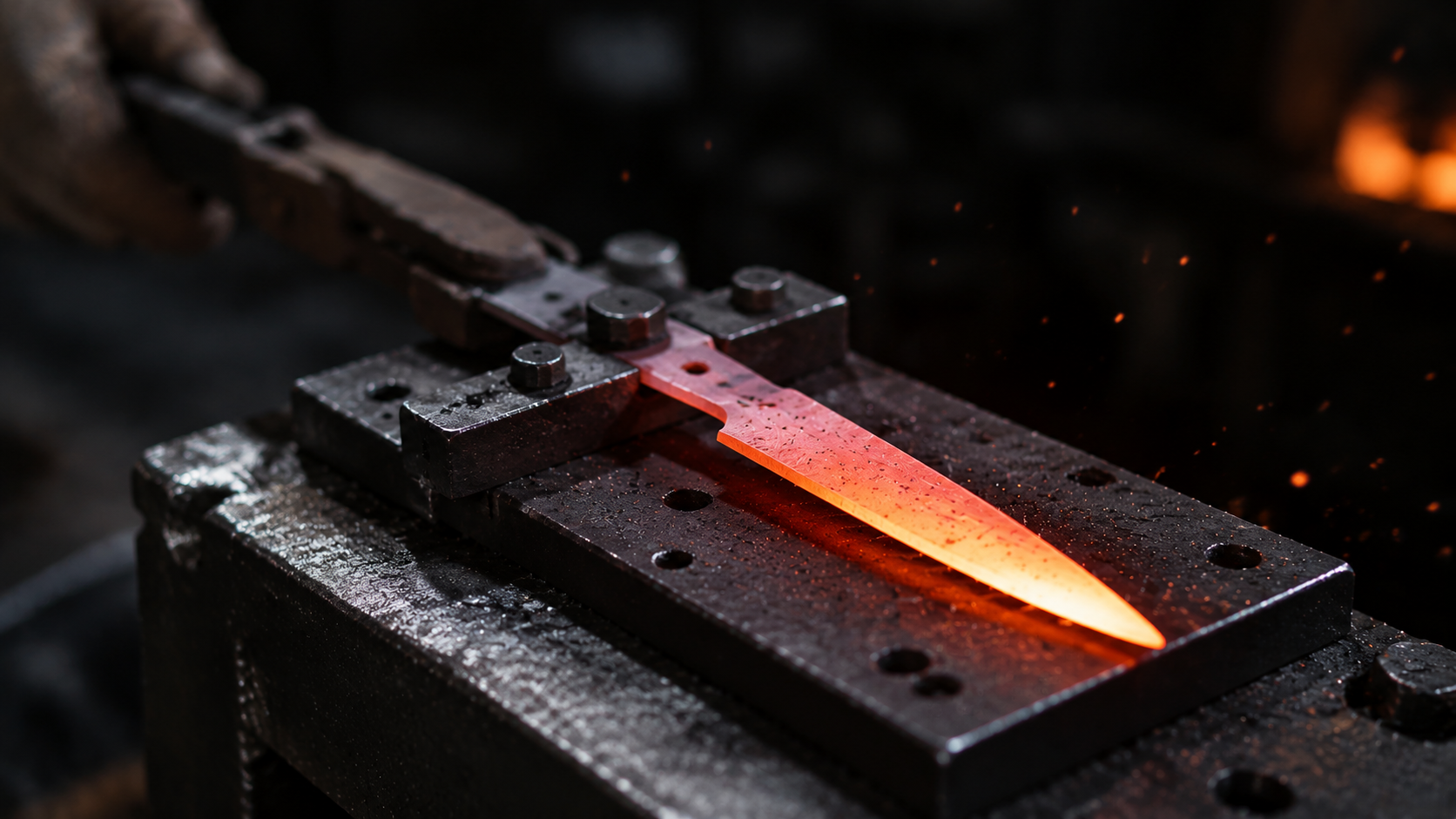
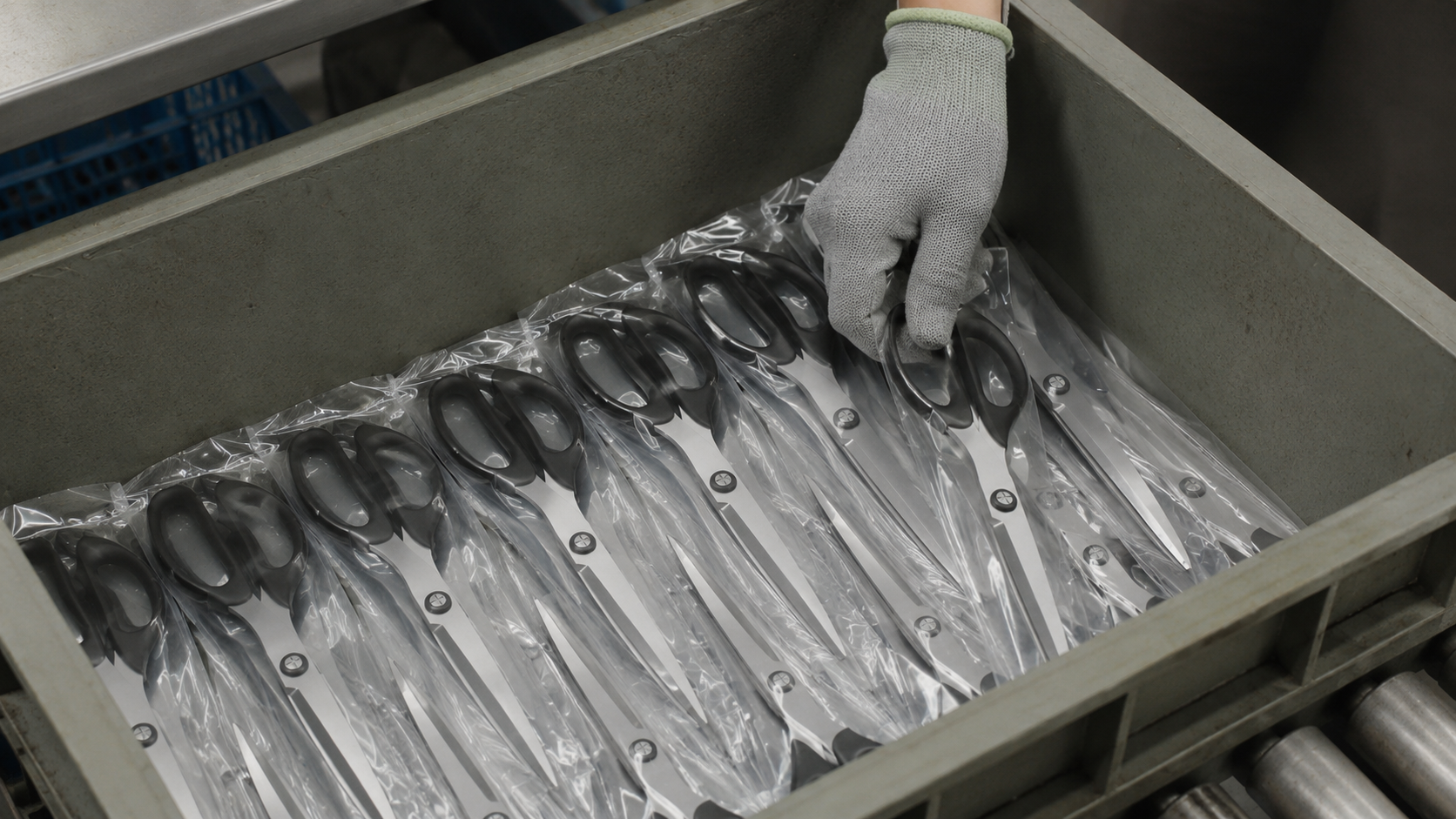
A credible OEM kitchen tools manufacturer should be able to map the product through manufacturing and inspection. BONET's published manufacturing flow includes stamping, straight adjustment, heat treatment, rough grinding, water grinding, polishing, injection molding, ultrasonic cleaning, setting and assembly, quality checks, final cleaning, and packing. Not every stage applies to every SKU. The value of the list is that it gives buyers a framework for asking which stages do apply and where control points belong.
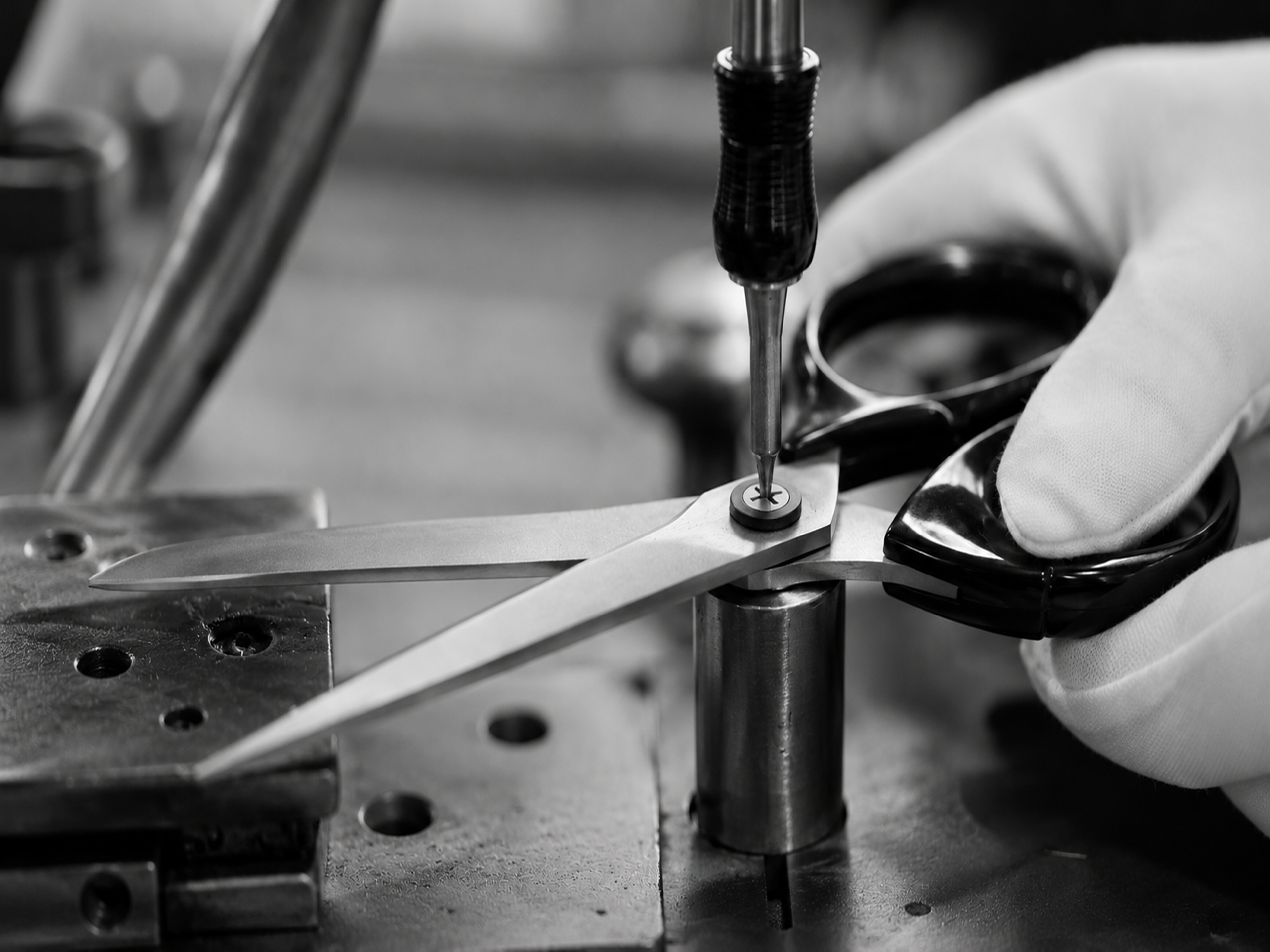
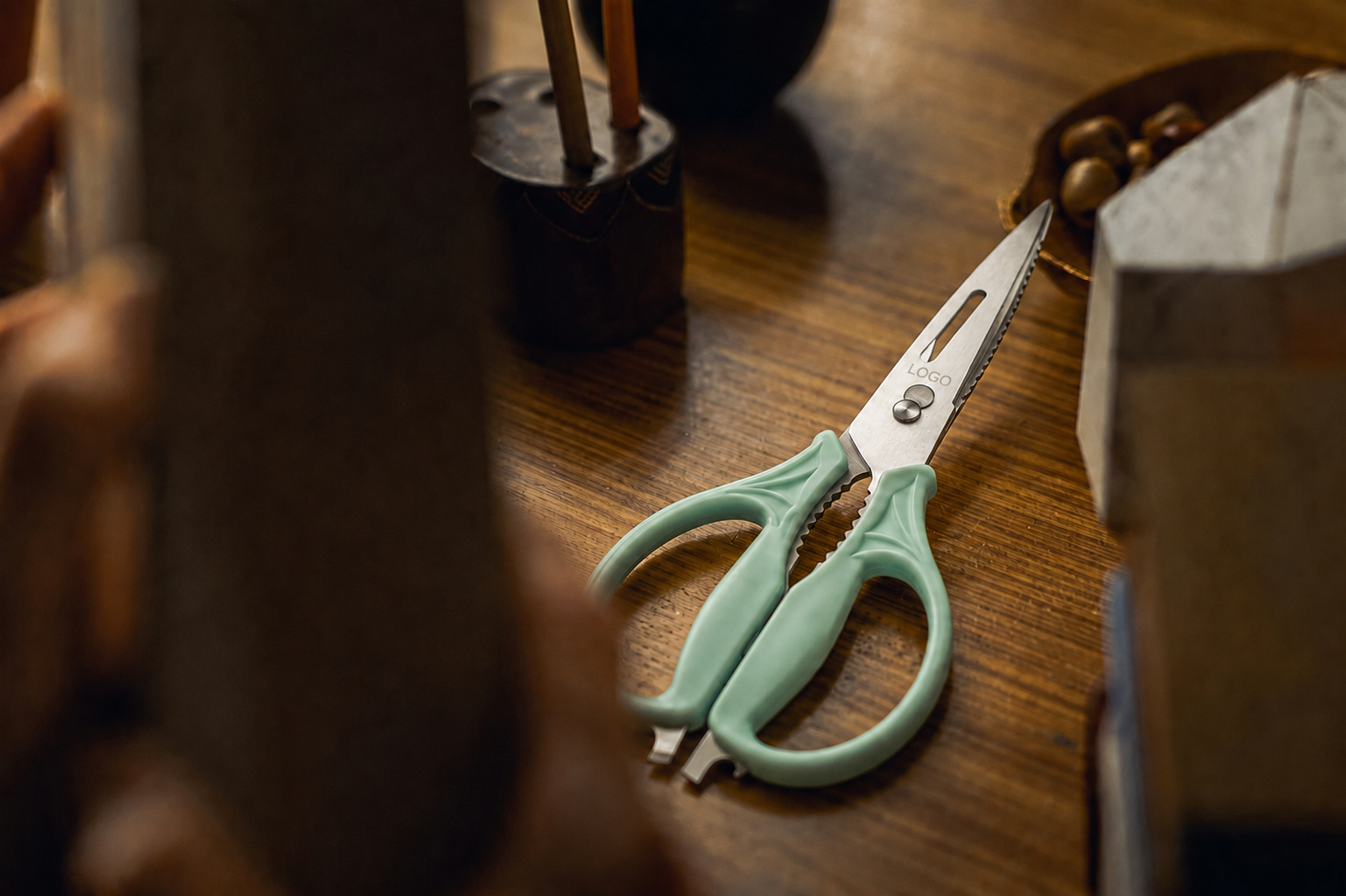
For example, a pair of kitchen shears may combine stamped and ground metal parts with injection-molded handles, assembly, functional checking, cleaning, and packing. A molded utensil follows a different route. A mixed knife set adds item-level checks plus tray, insert, sleeve, box, and carton considerations. Process relevance matters more than a long equipment list because the buyer needs evidence tied to the exact product.
3. Test engineering communication during quotation
A serious quotation is built around assumptions. Ask what the factory needs before it can quote responsibly. Useful questions usually cover dimensions, material, finish, color reference, logo artwork, packaging format, expected quantity, destination market, target timing, sample reference, and required checks. If the specification is incomplete, a responsible response distinguishes provisional estimates from confirmed commercial terms.
Pay attention to version control. Files should have names or revision numbers. A physical reference sample should be photographed and identified. Color approvals should point to a defined reference rather than “slightly darker.” Packaging artwork should state which panel and barcode version is approved. These small habits prevent the most expensive sentence in sourcing: “We thought you meant the other version.”
4. Make sampling a decision process
A sample gives the team something real to argue with. Use a one-page review sheet and give the piece an ID. Write down three things separately: accepted details, requested changes, and questions that are still open. Put function at the top of the review, followed by dimensions and assembly. Appearance, branding, and the pack come after that. When something is wrong, a phone photo beside a ruler and an arrow on the problem area says far more than “please improve.” Add the correction you expect.
The first sample of a new product is often the beginning of the useful conversation, not the end of it. Perhaps the handle wants a softer radius. Perhaps the chosen material flexes more than anyone expected. Perhaps the box lets an exposed edge rub during transport. Working through those findings is part of kitchenware product development. The key is mundane but important: record the issue, close it, and make sure the next sample carries the correction.
5. Define quality in observable terms
“Good quality” cannot be inspected because it is not a specification. Replace it with observable or measurable requirements. Depending on the product, that may include critical dimensions, assembly alignment, opening and closing action, surface appearance, edge or point protection, logo position, color consistency, pack contents, label placement, barcode readability, and carton identification.
Agree which sample or document is the reference. Before ordering, decide what the team will treat as a critical, major, or minor defect and how the order will be checked. Market rules and food-contact needs change with the item, its materials, and the country of sale. Put the exact requirement in the brief and ask for confirmation against that SKU. A compliance line borrowed from another product is not evidence for yours.
6. Make the pack earn its place
The pack has more to do than look good. It must protect the item, explain the brand, carry the right information, and survive the chosen route to market. A supermarket peg pack is not a shelf-ready color box; neither behaves like a gift set or an e-commerce parcel. Product size and weight matter, but so do exposed points, loose accessories, inserts, labels, and the outer carton.
When discussing custom kitchenware packaging, specify the format rather than asking for “retail packaging.” BONET lists options such as color boxes, gift boxes, retail packaging, barcode labels, and export cartons. Exact materials, print finishes, insert construction, carton marks, and packing quantities should be reviewed and confirmed per project.
7. Compare total project risk, not unit price alone
A low quotation can be genuinely efficient, or it can omit development, tooling, packaging, inspections, accessories, freight assumptions, or expected quality controls. Normalize quotations before comparing them. Record what is included, which specification revision was priced, the packaging basis, sample and tooling treatment, commercial terms, and which values still require confirmation.
Also consider management cost. A supplier that can combine related products, record approvals clearly, and coordinate packaging may reduce handoffs for a multi-SKU launch. On the other hand, a highly specialized product may justify a specialist factory. The sound decision is the one that fits the construction, volume, market, and risk profile of the program.
A Practical OEM and ODM Workflow
The following workflow turns a broad idea into a manufacturable, inspectable product. It reflects a typical project sequence, but commercial values such as minimum order quantity, sample timing, production lead time, tooling cost, and shipping date must be confirmed for the actual item.
| Stage | Buyer input | Manufacturer output | Decision gate |
|---|---|---|---|
| 1. Requirement review | Use case, target market, drawings or sample, item list, materials, quantity, packaging, timing | Questions, feasibility observations, missing-data list | Shared written brief |
| 2. Product definition | Priorities for function, appearance, cost, and channel | Recommended structure, materials, finish, logo method, development path | Specification approved for sampling |
| 3. Sample development | Artwork, color references, evaluation criteria | Sample or prototype and recorded construction details | Corrections closed; reference sample approved |
| 4. Commercial confirmation | Order quantity, destination, delivery priorities | Project-specific price, MOQ, timing, tooling and packing assumptions | Order and final specification aligned |
| 5. Pre-production alignment | Final approvals and required documentation | Production references, control points, approved packaging files | Release to production |
| 6. Production and inspection | Agreed inspection or reporting needs | Manufactured goods, in-process controls, final checks | Shipment disposition |
| 7. Packing and delivery | Shipping marks, booking data, document requirements | Packed order and agreed shipping support | Records retained for repeat order |
The RFQ: What a Supplier Needs from You
A good request for quotation does not need to be beautiful. It needs to be specific. Begin with one row per SKU and attach the clearest available drawing, reference image, or physical sample information. If a detail is not decided, write “open for recommendation” instead of leaving it invisible. That invites the manufacturer to propose an option while keeping the decision on the record.
- Product identity: item name, intended use, target customer, sales channel, and destination market.
- Construction: give the finished size, component list, preferred material and finish, color reference, and details of anything that moves or comes off.
- Performance: describe the job in real use. Say what must not go wrong, too.
- Branding: attach the logo file and mark the method, size, position, color, and appearance you will accept.
- Packaging: pack type, retail presentation, insert, label, barcode, manual, warning, carton, and channel constraints.
- Quality: approved reference, critical measurements, appearance limits, functional checks, and inspection arrangement.
- Commercial context: trial and expected order quantities, launch window, delivery destination, and terms to quote.
- Documents: name the compliance, test, label, and shipping records that this item needs in its destination market.
Already have a design? Send the latest numbered drawing, then state exactly what the reference sample controls. It might control dimensions and function but not the new color, for example. With an early concept, explain the user's problem and rank the trade-offs. “Must be easy to clean” and “must fit a narrow retail shelf” give a developer something to solve; a folder of mood images, on its own, does not.
Building a Coherent Product Range
Many buyers are not sourcing one item. They are building a collection that must look related on a shelf or online. A custom kitchenware manufacturer can support this by translating a brand system across materials and processes. On one range, the connection may come from a molded handle color; elsewhere it shows up in laser engraving, a printed mark, a familiar finish, and packaging that clearly belongs to the same brand.
Do not force an identical treatment onto every SKU in the name of consistency. A mark that reads well on a broad chopping board may need a different size on a peeler handle. A matte color can appear different on plastic, silicone, painted metal, and printed card. Review the pieces alone and together. When color coordination matters, ask for side-by-side samples or photographs taken under the same light.
Assortment planning also affects packaging efficiency. Shared structural dimensions, inserts, or carton logic may simplify operations, but only when they continue to protect each product. The strongest range architecture starts with consumer use and channel needs, then looks for sensible common elements. It does not begin by forcing every item into the same box.
Working with a Kitchenware Manufacturer in China
Buyers searching for a kitchenware manufacturer China often focus first on cost and category access. Communication discipline deserves equal weight. Time zones, sample shipments, multiple artwork files, and long supply chains amplify small misunderstandings. A compact project record is therefore essential.
A small decision log is enough: date, SKU, topic, old version, approved change, owner, and the relevant file. Send a short written recap after a video call while the details are still fresh. Put approvals into the shared specification instead of asking colleagues to reconstruct them from chat. During sampling, collect comments in one marked document whenever possible. Before production, read through the product, logo, pack, labels, quantity, inspection basis, and delivery assumptions one last time.
Language should be concrete and neutral. “Improve the feel” can mean weight, surface texture, edge radius, flexibility, balance, or grip geometry. State the symptom and the desired outcome: “The handle rotates in a wet hand; please propose a texture or profile change without increasing the maximum width.” This gives an engineering team something it can evaluate.
Five Sourcing Mistakes That Cost Time
Quoting before the product is defined
A rough budget is helpful in the first week. It is still only a rough budget. Change the material, size, logo, pack, quantity, or test requirement and both cost and timing can move with it. Mark early figures as provisional, then request a fresh quotation against the version you actually approved.
Approving appearance but not function
A visually correct sample can still be uncomfortable, unstable, difficult to clean, or poorly suited to its package. Test the product as the customer will use it. For sets, confirm every component and the interaction between the product, insert, and box.
Leaving the destination market until the end
Market and channel information can affect labels, language, warnings, barcodes, package size, documentation, and test planning. Share it at the beginning. Any regulatory or food-contact claim should be matched to the actual product, material, and destination rather than copied from an unrelated item.
Changing several variables without a new reference
If color, structure, logo, and package all change at once, approval becomes unclear. Record each revision and define which sample replaces the previous reference. This is especially important when a project pauses and restarts weeks later.
Using a generic checklist for every category
There are shared principles, but product-specific risks differ. A knife, pair of scissors, board, peeler, and utensil set should not have identical check sheets. Build the checklist from intended use, construction, manufacturing path, known failure modes, and retail environment.
How BONET HOUSEWARE Supports OEM and ODM Projects
BONET HOUSEWARE positions its service around both specified production and collaborative development. For OEM work, the published scope includes production by drawing or sample, material and color customization, logo printing, laser engraving, packaging customization, quality inspection support, and mass-production management. For ODM work, it describes concept development, structural optimization, sample development, material recommendations, feasibility assessment, packaging development, surface-treatment advice, and mass-production support.
The company's website also shows a sequence that includes metal forming and finishing, injection molding, cleaning, assembly, checking, and packing. That mix is relevant when a kitchen tool brings metal and molded parts together. It is a starting point for due diligence, not a substitute for it. Before ordering, the buyer still needs the route, material, control plan, commercial terms, and documents tied to the actual SKU.
There is one certification point worth stating precisely. Yangjiang Master Scissor & Knife Manufacture Co., Ltd. holds an ISO 9001:2015 certificate for the production and sale of scissors. Scissors are the stated scope. The certificate should not be stretched across unrelated categories, and each project still needs the documents relevant to its item and market.
Buyer FAQ
What information should I send to receive an OEM kitchenware quotation?
Send the product name and intended use, drawing or reference sample, dimensions, preferred materials and finishes, logo artwork, packaging concept, destination market, estimated order quantity, target timing, and any required checks or documents. Mark undecided fields as open for recommendation. A complete brief enables a more comparable quotation.
Can one manufacturer develop knives, utensils, boards, gadgets, and scissors for the same range?
BONET HOUSEWARE presents all of those categories in its product portfolio. Whether one partner is appropriate for an entire range depends on the construction and specification of each SKU. Review category fit item by item, then assess the advantage of shared colors, branding, packaging coordination, and project management across the collection.
What is the difference between an OEM sample and an ODM prototype?
An OEM sample usually demonstrates how a defined specification will be reproduced. An ODM prototype may also test structure, material, ergonomics, appearance, or feasibility while the specification is still developing. In either case, approval should produce a controlled reference and a written record of the final details.
How should buyers compare OEM kitchenware quotations?
Put every quotation beside the same revision, material, finish, logo, pack, quantity, quality assumptions, and trade terms. Mark estimates so nobody mistakes them for fixed values. Then check the edges of the quote: is development included? What about tooling, samples, accessories, inserts, labels, cartons, and inspection? Each line should be included, excluded, or priced separately.
What is a typical MOQ or production lead time?
There is no responsible universal answer. A molded color utensil, a knife set in a printed box, and a new tool that needs tooling do not share one minimum or one calendar. Material, process, pack, quantity, and the live production plan all play a part. Send the complete brief and ask for written figures for that project. A number shown without qualifications on a general page is guidance, not a commitment to your order.
Can BONET support custom colors, logos, and retail packaging?
The company's OEM/ODM service page lists material and color customization, logo printing, laser engraving, packaging customization, color boxes, gift boxes, retail packaging, barcode labels, and export carton solutions. The available method, artwork limits, color result, packaging construction, cost, and timing must be confirmed for the selected product.
A Final Supplier-Selection Checklist
- The supplier has demonstrated experience relevant to the exact product category and construction.
- The quotation identifies the specification revision and clearly states assumptions and exclusions.
- Materials, dimensions, finish, color, logo, and packaging are documented rather than implied.
- The sample review includes function, assembly, appearance, branding, protection, and pack contents.
- Quality requirements are observable, measurable where practical, and tied to an approved reference.
- Destination-market requirements are discussed before sample and packaging approval.
- MOQ, price, tooling, sample timing, production timing, and shipping terms are confirmed for the project.
- Changes are recorded, and the final production release points to one controlled set of files.
- The communication team can explain the route from requirement review through packing and delivery.
- The decision reflects total project risk, not unit price in isolation.
Turn Your Brief into a Manufacturable Project
Selecting an OEM kitchenware manufacturer is ultimately an exercise in removing uncertainty. Define the user, product, market, and channel. Ask the factory to show how the design maps to materials, processes, samples, controls, and packaging. Approve observable details and preserve the record. Those practices make quotations easier to compare and repeat orders easier to manage.
To start a discussion with BONET HOUSEWARE, prepare your product drawing or reference image, target market, estimated quantity, material preferences, branding files, packaging idea, and requested timeline. The team can then review whether OEM production, ODM development, or a private label route is the best starting point.
Request an OEM/ODM Project Review
Editorial note: product specifications, MOQ, pricing, sample and production timing, testing, packaging, and delivery arrangements are confirmed case by case.
