




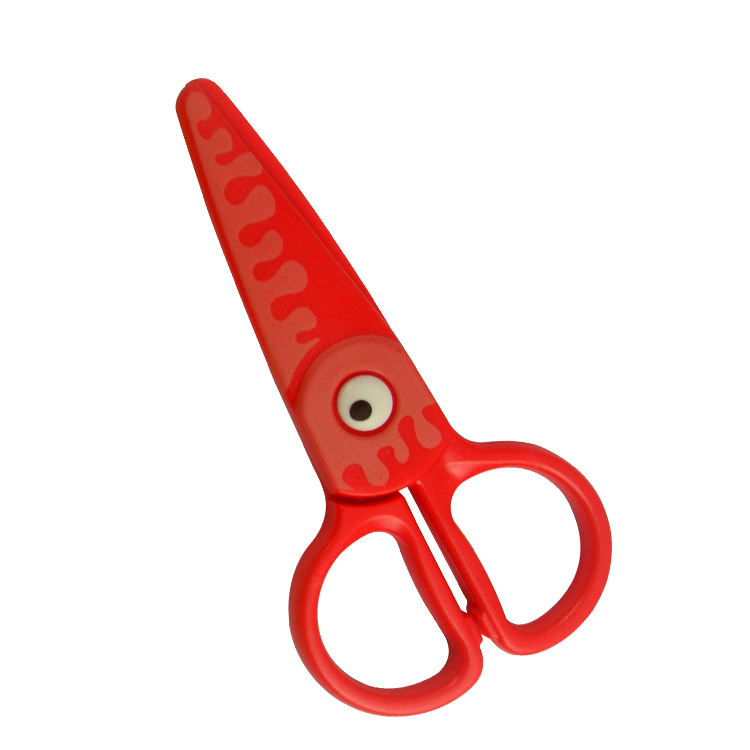
OEM Plastic Kid Scissors: Sourcing Safe, Kid-Friendly Scissors
OEM plastic kid scissors are commonly sourced for school supplies, children’s craft kits, stationery ranges, promotional education packs, and retail back-to-school programs. For buyers, the goal is not simply to find a colorful pair of scissors. The product must feel comfortable in a child’s hand, cut paper and lightweight craft materials reliably, and be designed with safety-focused details such as rounded tips and blunt edges.
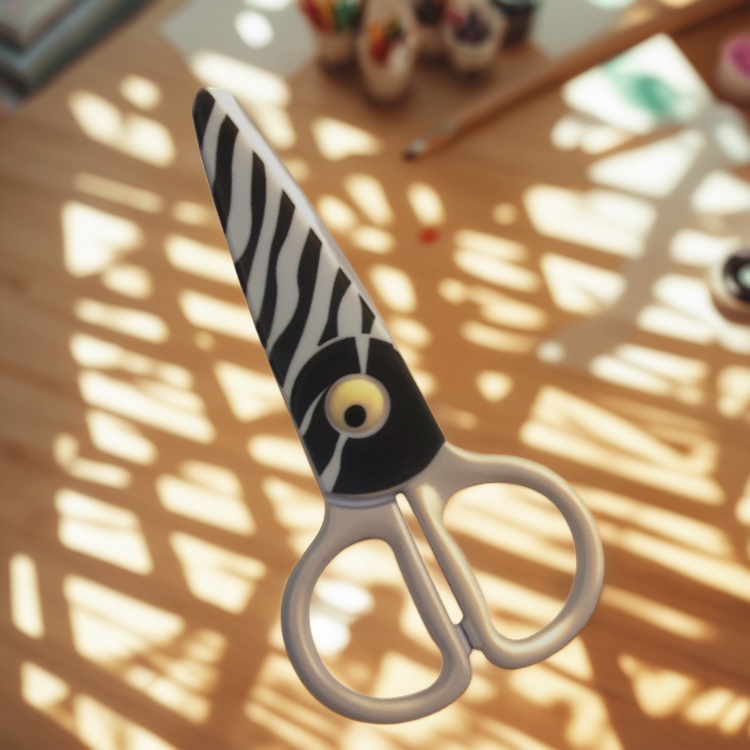
The original product concept highlights plastic student scissors with kid-friendly styling, ergonomic handles, stainless steel blades, and a playful zebra design. Those features can be useful for brands that want a product that looks approachable while still supporting everyday classroom and home craft use. However, when sourcing from any OEM scissors supplier, buyers should verify details rather than relying on assumptions. Material, age suitability, packaging, labeling, testing documentation, and customization options should all be confirmed before placing an order.
Key Takeaways
- Look for child-focused design details such as rounded tips, blunt edges, comfortable handles, and lightweight construction.
- Confirm exactly what materials are used, including the plastic handle material and blade material, before approving production.
- Ask suppliers about available OEM options, including colors, patterns, packaging, logo placement, and sample approval steps.
- For school, retail, or craft-kit sourcing, request quality-control information and documentation relevant to your target market.
What Makes Plastic Kid Scissors Different?
Children’s scissors are different from adult scissors in both size and intent. They are typically designed for smaller hands and lower-force cutting tasks, such as paper, worksheets, labels, thin card, and lightweight craft materials. The emphasis is on guided use, comfort, and reduced risk during creative activities.
For a plastic student scissors range, the handle is a key part of the product experience. Ergonomic handles can help children hold the scissors more steadily, which may reduce slipping during basic cutting tasks. Rounded tips and blunt edges are also important because children are often still developing coordination and fine motor control. Stainless steel blades, as stated in the original product description, can help deliver cleaner paper cuts than all-plastic cutting edges, but the exact blade thickness, sharpness, and finishing should be checked with the supplier.
Visual design also matters in children’s stationery. A playful pattern, such as the zebra design mentioned in the original article, can make the product more appealing for classroom and craft settings. Still, appearance should not be prioritized over safe handling, durable assembly, and consistent cutting performance.
Core Features Buyers Should Review
When evaluating OEM plastic kid scissors, buyers should create a clear specification sheet. This avoids confusion between samples, quotations, and final production. The supplier should be able to confirm which features are standard and which require custom development.
| Feature to Check | Why It Matters | Questions to Ask the Supplier |
|---|---|---|
| Rounded tips and blunt edges | Supports safer handling for children during supervised craft activities. | Are the tips rounded in the mold or finished after production? Can you provide close-up sample photos? |
| Handle comfort | Children need a stable grip for simple cutting tasks. | What handle sizes are available? Is the design suitable for the intended age group? |
| Blade material | Cutting quality depends on blade material and finishing. | What blade material is used? Is stainless steel standard for this model? |
| Plastic material | Affects feel, durability, appearance, and sourcing requirements. | What plastic is used for the handle? Are material data sheets available? |
| OEM customization | Brand programs may need custom colors, logos, or packaging. | Which parts can be customized, and what sample approval process is required? |
| Packaging and labeling | Retail and school channels often require clear product information. | Can packaging include age guidance, warnings, barcode, and buyer branding? |
OEM Customization: What Can Usually Be Discussed?
OEM plastic kid scissors are often purchased by importers, stationery brands, educational suppliers, and kit assemblers that need a product aligned with their market. Customization may include handle color, printed pattern, packaging artwork, and brand labeling. The original article mentions colorful themes and personalized touches, which are common discussion points in OEM sourcing.
Before assuming that a factory can produce every requested variation, ask for a customization map. This should explain what is already available, what requires new tooling or artwork, and what may affect lead time or cost. For example, a zebra pattern may be a stock design for one supplier, while another may need a new printing setup. If you need a specific color match, ask whether the supplier can work to a color reference and whether pre-production samples will be provided for approval.
- Request current product photos and dimensions.
- Ask which parts of the scissors can be customized.
- Confirm whether logo placement is molded, printed, stickered, or added on packaging.
- Review a physical sample before mass production.
- Approve packaging artwork, warnings, and labeling before final production.
Safety and Compliance Questions for B2B Buyers
Because these scissors are intended for children, safety review should be part of the sourcing process. The original article refers to safe children’s scissors and child-centric design, including rounded tips and blunt edges. Those features are useful, but buyers should not treat them as a substitute for documentation.
Ask the supplier which markets the product has previously been supplied to and what documents are available for your review. Depending on your destination market and sales channel, you may need testing reports, material information, packaging warnings, or age grading guidance. Do not rely on broad phrases such as “safe for kids” without supporting details. If you sell through retailers, distributors, or online marketplaces, confirm their product-document requirements before production begins.
Useful questions include: What is the recommended age range? Are there small parts concerns? What blade exposure and tip design are used? Can the supplier provide recent test reports if required by your market? Are warnings and instructions included on the packaging? If the supplier cannot answer these questions clearly, that is a signal to slow down the sourcing process.
Quality Inspection Points Before Shipment
Quality control for kid scissors should include both appearance and function. A product can look attractive but still fail if the handles are uncomfortable, the blades do not align, or the pivot feels too loose or too tight. For bulk orders, buyers should define inspection criteria in advance.
- Check blade alignment and opening-closing smoothness.
- Test paper cutting performance using consistent sample materials.
- Inspect handle edges for rough plastic, flashing, or sharp points.
- Confirm the rounded-tip shape matches approved samples.
- Review color consistency, printed pattern placement, and logo clarity.
- Verify packaging quantity, barcode placement, warnings, and carton labeling.
If the product is part of a craft kit or school pack, test it together with the other included materials. A scissors model that works well on standard paper may not perform the same way on thicker card, foam sheets, or coated paper. Matching the tool to the intended activity reduces customer complaints and improves the overall user experience.
How to Choose a Kid-Friendly Scissors Supplier
A suitable kid-friendly scissors factory should be able to communicate clearly, provide samples, explain materials, and support consistent production. Buyers should look beyond the first quotation. Low price is not useful if the final product varies from the approved sample or arrives with incomplete packaging information.
When comparing suppliers, ask about their sample process, artwork review, production checks, packaging options, and corrective-action process if defects are found. If you require special retail packaging or custom branding, confirm whether the supplier handles packaging in-house or works with an external packaging vendor. Also ask how changes are controlled after sample approval, including color, blade finish, handle material, and carton configuration.
For long-term programs, create a written specification document that includes product images, dimensions, materials as confirmed by the supplier, packaging layout, inspection requirements, and approved sample references. This gives both the buyer and factory a clear standard to follow.
Practical FAQ
Are plastic kid scissors suitable for school use?
They can be suitable for school and classroom craft use when the design, size, cutting performance, and safety-related features match the intended age group. Buyers should confirm age guidance and any required documentation for their market.
What materials should I confirm before ordering?
Confirm the handle plastic, blade material, pivot construction, surface finish, and packaging materials. The original product description mentions plastic construction and stainless steel blades, but buyers should verify the exact specification with the supplier.
Can OEM kid scissors be customized?
Often, customization can include colors, patterns, logo placement, and packaging artwork. The available options depend on the supplier’s existing molds, printing methods, and production process. Always approve samples before bulk production.
What should I test during sample review?
Test comfort, opening and closing action, paper cutting, blade alignment, tip shape, handle edges, and packaging accuracy. If the scissors will be used in a craft kit, test them on the same materials included in that kit.
How should buyers compare quotations?
Compare more than unit price. Review materials, customization scope, packaging, sample fees, production lead time, inspection process, documentation availability, and after-sales communication. A clear quotation should match your written specification.
