




OEM Poultry Kitchen Shears: Practical Sourcing and Selection Guide
OEM poultry kitchen shears are a focused category of kitchen scissors designed for tasks such as trimming fat, cutting poultry skin, separating joints, and preparing chicken for cooking. For importers, distributors, cookware brands, and private-label buyers, the goal is not only to find a sharp pair of shears. The more important question is whether the product, supplier communication, packaging options, and quality control process can support repeatable commercial orders.
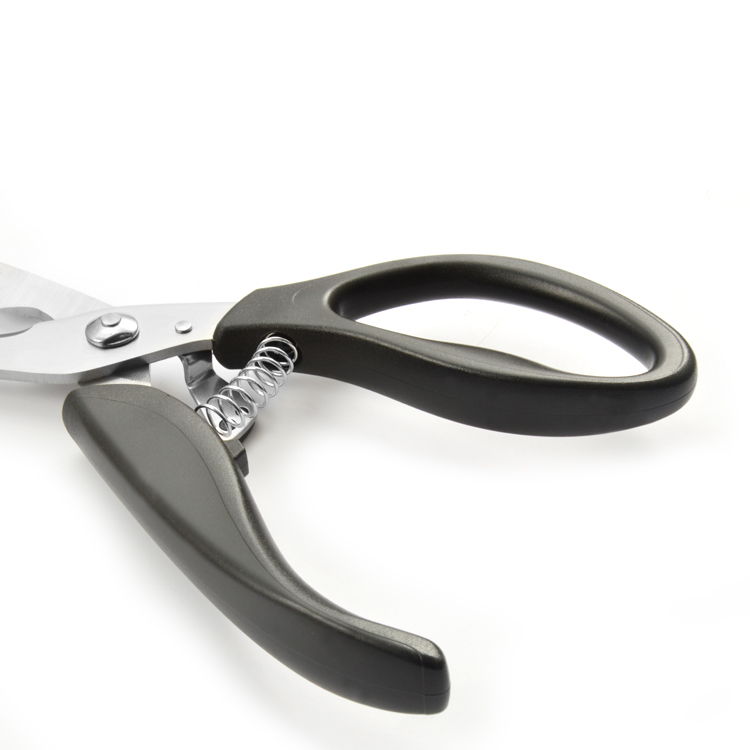
The original article highlights several useful points: these shears are intended for poultry work, may include serrated stainless steel blades, curved cutting edges, ergonomic black handles, and a safety lock for closed storage. Those details give buyers a starting point, but an OEM sourcing decision should go deeper. The following guide explains how to evaluate poultry shears in a practical, search-focused way without relying on unverified claims.

Key Takeaways
- OEM poultry shears should be reviewed for cutting performance, grip comfort, storage safety, cleanability, and packaging readiness.
- Serrated stainless steel blades and curved edges can help with slippery poultry tasks, but buyers should request material and test details from the supplier.
- A safety lock is useful for retail and professional kitchens because it helps keep blades closed when not in use.
- Private-label buyers should confirm customization options, inspection standards, carton details, and sample lead time before confirming an order.
What OEM Poultry Kitchen Shears Are Used For
Poultry shears differ from general kitchen scissors because they are intended for controlled cutting around meat, skin, cartilage, and joints. Common use cases include spatchcocking chicken, portioning poultry, trimming excess fat, cutting through skin, and opening food packaging during preparation. Some users also apply them to herbs or kitchen twine, although buyers should position the product based on its verified performance rather than broad claims.
For B2B buyers, the use case affects every sourcing choice. A value retail line may prioritize affordability and basic safety features. A professional kitchenware line may require stronger cutting feel, more comfortable handles, and clearer cleaning instructions. A gift or e-commerce product may need stronger visual presentation, retail packaging, and product photography support.
Blade Design: What Buyers Should Check
The source article mentions serrated stainless steel blades and sharp, curved edges. These can be relevant features for poultry work because poultry skin can be slippery and uneven. Serrations may help grip the surface while cutting, and a curved profile may support better control around bones and joints. However, buyers should not rely on descriptive wording alone.
Ask the supplier what stainless steel type is used, whether the blade hardness is measured, how sharpness is checked, and whether the shears have been tested on typical poultry preparation tasks. If the supplier cannot provide a formal test report, request samples and conduct your own functional comparison. A simple trial can include cutting chicken skin, trimming fat, separating a joint, and cleaning the shears after use.
Handle Comfort and Safety Lock Details
Comfort matters because poultry preparation often requires pressure, repeated cutting, and a firm grip. The original article refers to ergonomic black handles that reduce hand fatigue. That is a useful design direction, but buyers should still evaluate handle size, surface texture, finger space, and whether the grip works for both small and large hands.
The built-in safety lock is another important feature mentioned in the source. In a busy kitchen drawer, exposed blades can create risk for users and damage nearby utensils. For retail products, a safety lock also improves perceived care in design. Buyers should test whether the lock is easy to operate, stays secure during storage, and does not loosen after repeated opening and closing.
Comparison Checklist for Sourcing Poultry Shears
| Evaluation Area | What to Review | Questions to Ask the Supplier |
|---|---|---|
| Blade material | Stainless steel type, corrosion resistance, blade thickness | What material grade is used, and can it be documented? |
| Cutting performance | Grip on poultry skin, joint cutting, trimming control | Can samples be tested before bulk order confirmation? |
| Edge design | Serration, curve, tip shape, alignment | Is the blade design fixed or adjustable for OEM projects? |
| Handle design | Comfort, hand fit, surface texture, color options | What handle customization is available for private label orders? |
| Safety lock | Lock strength, ease of use, storage security | How is the lock checked during inspection? |
| Packaging | Retail card, box, instructions, barcode space | Can packaging be customized, and what files are required? |
OEM and Private Label Questions to Ask
When sourcing OEM poultry kitchen shears, commercial details should be clarified early. Do not assume that every factory or supplier offers the same customization scope. Some may support logo marking, handle color changes, packaging design, or product sets, while others may only sell an existing model.
- What customization options are available for logo, handle color, packaging, and instruction inserts?
- What is the sample process, and how long does sample preparation usually take?
- What minimum order quantity applies to standard products and customized versions?
- What inspection steps are used for blade alignment, safety lock function, appearance, and packaging?
- What export carton details, product dimensions, and gross weight information can be provided?
- Are there any compliance documents or material declarations available for the target market?
These questions help buyers avoid misunderstandings before artwork, purchase orders, and production schedules are finalized. If a claim is important for your sales channel, request written confirmation and supporting documents.
How to Evaluate Samples Before Ordering
A sample review should be more than a visual check. Open and close the shears repeatedly to feel whether the pivot is smooth and stable. Cut poultry skin, soft cartilage, herbs, and packaging if those uses match your product positioning. Wash and dry the shears according to the supplier guidance, then inspect for staining, looseness, or trapped residue.
It is also useful to compare the sample with competing products in the same price tier. Look at blade alignment, edge consistency, handle molding quality, packaging finish, and the clarity of any care instructions. For e-commerce buyers, consider whether the product photographs well and whether the safety lock and blade shape are easy to understand from images.
Use and Care Guidance for End Customers
Even a well-selected pair of poultry shears needs clear user guidance. Customers should use the shears on appropriate food preparation tasks, avoid twisting the blades excessively, and keep fingers away from the cutting path. After cutting raw poultry, the shears should be washed carefully and dried before storage. If the design includes a safety lock, users should close the lock before placing the shears in a drawer.
Care instructions should match the actual product and supplier recommendations. If dishwasher use, detachable blades, or special cleaning claims are not confirmed, do not print them on packaging. Accurate instructions reduce complaints and help protect the product’s reputation.
FAQ
What makes poultry shears different from regular kitchen scissors?
Poultry shears are generally designed for tougher food preparation tasks such as cutting poultry skin, trimming fat, and working around joints. Blade shape, serration, handle comfort, and locking storage are important differences to review.
Are serrated blades better for cutting chicken?
Serrated blades can help grip slippery surfaces such as poultry skin, but performance depends on the full blade design, sharpness, alignment, and handle leverage. Buyers should test samples before making claims.
Can OEM poultry kitchen shears be customized?
Customization may be possible for logo, handle color, packaging, or product presentation, depending on the supplier. Buyers should ask what options are available and whether different minimum order quantities apply.
What should buyers confirm before bulk production?
Confirm material details, sample approval, inspection criteria, packaging artwork, carton information, lead time, MOQ, and any documents required for the target market.
How should end users clean poultry shears?
They should clean the shears after contact with raw poultry and dry them before storage. Any dishwasher or detachable-blade guidance should follow the supplier’s confirmed instructions for the exact model.
Final Sourcing Advice
OEM poultry kitchen shears can be a strong product for kitchenware ranges when they are selected with care. Focus on verified blade material, cutting performance, safe storage, comfortable handling, and clear packaging communication. For buyers, the best approach is to request samples, test them against real poultry preparation tasks, and confirm all commercial and compliance details with the supplier before placing a production order.
