





OEM Scissors Manufacturer: How to Source Safe School and Craft Scissors
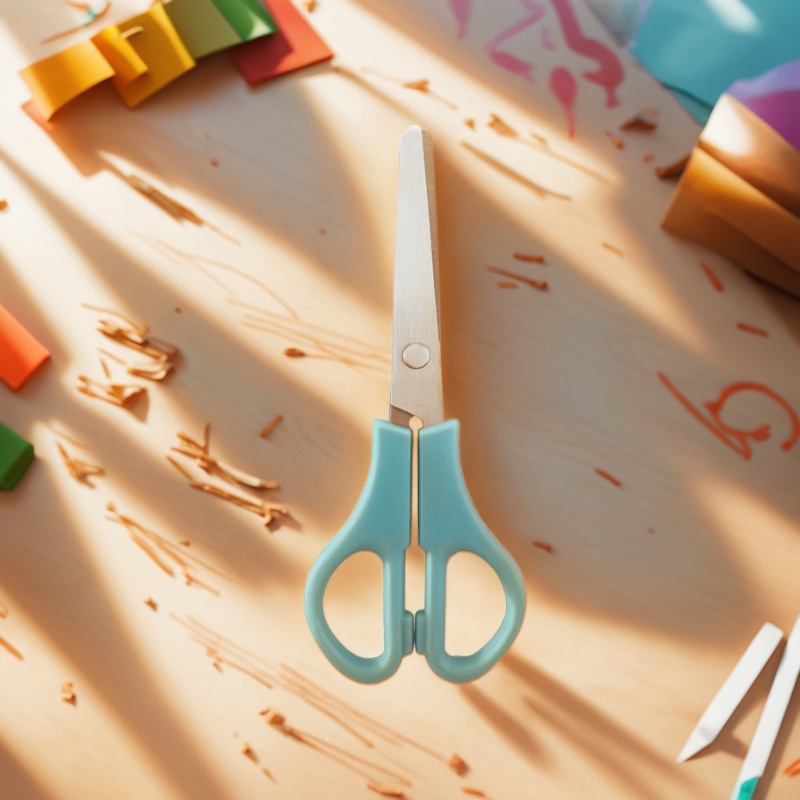
Choosing an OEM scissors manufacturer for school, craft, and student use is not only a purchasing decision. It affects classroom safety, cutting performance, packaging consistency, and how confidently retailers or education suppliers can present the product to their customers. The original Bonet Houseware article introduced kid scissors, student scissors, and school craft scissors, including an AquaSafe Safety Scissors example with stainless-steel blades, rounded tips, ergonomic handles, lightweight construction, polished edges, and an aqua color. This rewritten guide keeps those explicit details while focusing on what B2B buyers should check before placing an OEM or wholesale order.
Key Takeaways
- Match the scissors type to the user group: young children, older students, or general classroom craft use.
- Ask the supplier to confirm safety design details, blade material, handle comfort, packaging options, and sample availability.
- Do not rely on appearance alone; check cutting performance, edge finish, handle fit, and batch consistency.
- For OEM projects, clarify branding, color, packaging, inspection standards, lead time, and documentation before approval.
What an OEM Scissors Manufacturer Should Help Buyers Solve
An OEM scissors project usually begins with a simple goal: create a safe, useful, and market-ready product for a defined audience. For school and craft categories, that audience may include parents, teachers, stationery distributors, supermarket buyers, educational suppliers, or private-label brands. A capable supplier should help translate that audience into practical product decisions.
For example, scissors for young children may need rounded tips and lightweight handling, while scissors for older students may require cleaner cutting for paper projects and longer periods of use. School craft scissors may need to stand up to repeated classroom handling and group activities. Instead of asking only for a low unit price, buyers should ask whether the product design, packaging, and quality checks fit the sales channel and age group.
Kid Scissors: Safety and Usability Come First
Kid scissors are typically selected for early creative activities at home, preschool, or primary school. The original article highlights rounded tips and ergonomic handles, both of which are important because young users are still developing control and hand strength. Lightweight construction can also reduce fatigue and make supervised cutting activities easier.
When sourcing kid scissors, buyers should ask the manufacturer practical questions: Are the tips rounded? How does the handle shape support small hands? Is the grip comfortable for left-handed and right-handed users, if that is required for the target market? What materials are used for the blades and handles? Can the supplier provide samples for classroom-style testing before bulk production?
Color can also matter in retail and school settings. The original article mentions an AquaSafe line in a soothing aqua shade. If color is part of the brand plan, buyers should confirm whether the supplier can control color consistency across production batches and packaging artwork.
Student Scissors: Balance Cutting Performance and Comfort
Student scissors are usually aimed at older children who need more control for academic tasks, paper models, craft sheets, and simple DIY projects. The original content mentions sharper blades for detailed schoolwork, polished edges, and ergonomic grips that help reduce hand fatigue. These are useful product-selection points, but they should be verified with samples rather than assumed from a catalog photo.
For student scissors, buyers should test how smoothly the blades cut standard paper, card, and other intended materials. If lightweight fabrics are part of the intended use, ask the supplier to confirm suitability and provide a sample for validation. It is also worth checking the pivot tension: scissors that are too loose may feel unstable, while scissors that are too tight may tire the hand quickly.
In an OEM program, consistency matters as much as the first sample. Ask how the supplier controls blade alignment, edge finish, handle molding, and final inspection. If the scissors are sold through a retailer or education channel, packaging strength and barcode placement may be just as important as the product itself.
School Craft Scissors for Classroom and Group Use
School craft scissors are often purchased in larger quantities for classrooms, after-school programs, activity kits, and stationery sets. They need to be simple to distribute, easy to identify, and durable enough for frequent use. The original article notes that school craft scissors can support scrapbooking, simple DIY tasks, and creative expression in educational settings.
For classroom buying, consider how the scissors will be stored and managed. A single retail blister pack may suit consumer sales, while bulk classroom packs may need simpler labeling, stronger cartons, or color grouping. If the product will be included in a kit, ask the manufacturer about packaging dimensions and whether sharp or exposed edges are controlled during transport.
Buyers should also define the intended materials. Paper cutting, light craft foam, thin card, and fabric all place different demands on the blade and handle. A clear use case helps the supplier recommend a suitable design and helps the buyer avoid over-specifying or under-specifying the product.
Comparison Checklist for OEM Scissors Buyers
| Product Type | Main User | Important Checks | Questions to Ask the Supplier |
|---|---|---|---|
| Kid scissors | Young children under supervision | Rounded tips, light weight, handle comfort, simple cutting action | Can you provide samples for age-appropriate safety and usability review? |
| Student scissors | Older students | Blade alignment, polished edges, grip comfort, paper-cutting accuracy | What materials are used, and how is cutting performance checked? |
| School craft scissors | Classrooms and activity groups | Durability, batch consistency, storage, packaging, carton protection | Can you support classroom packs, private label packaging, or mixed colors? |
| OEM private label scissors | Retailers, brands, distributors | Branding, color control, artwork approval, inspection plan | What are the MOQ, lead time, sample cost, and approval process? |
OEM Details to Confirm Before Production
Before committing to mass production, buyers should document the product specification in writing. This does not need to be complicated, but it should be precise enough to avoid misunderstandings. Include the product type, blade material if confirmed, handle color, packaging format, logo placement, carton requirements, sample approval standard, and inspection method.
- Request pre-production samples that match the intended materials, colors, and packaging.
- Confirm whether the supplier can provide private-label packaging and artwork templates.
- Ask about minimum order quantity, lead time, payment terms, and reorder process.
- Define what counts as an acceptable defect for blades, handles, printing, and packaging.
- Check what documents or compliance information the target market requires, then ask the supplier what they can provide.
Avoid assuming certifications, testing results, or compliance claims unless the supplier provides valid documentation for the exact product and market. Requirements can vary by country, age range, and sales channel, so these details should be reviewed before purchase.
How to Evaluate Samples Like a Buyer
Sample evaluation should be practical. Open and close each pair several times. Cut the intended materials. Check whether the blades meet cleanly from pivot to tip. Feel for rough edges, uncomfortable pressure points, or loose handles. Review whether the color and finish match the approved sample, especially for private-label programs where shelf appearance matters.
If the scissors will be used by children, test only in supervised and appropriate conditions. Ask teachers, parents, or category managers for feedback on grip size, ease of use, packaging clarity, and perceived safety. A small amount of structured feedback before production can prevent larger problems after shipment.
FAQ
What should I ask an OEM scissors manufacturer first?
Start with the intended user, use case, order quantity, packaging needs, and target market. Then ask for available models, customization options, samples, lead time, and quality inspection details.
Are kid scissors and student scissors the same?
Not always. Kid scissors usually focus more on rounded tips, light handling, and early safety needs. Student scissors may offer more cutting control for older children and school projects.
Can school craft scissors be customized for private label?
Many OEM projects include color, logo, and packaging customization, but buyers should confirm what the supplier can actually support, including MOQ, artwork requirements, and sample approval steps.
What product claims should buyers verify?
Verify material, age suitability, safety features, test reports, certifications, and compliance documentation. Do not use claims in retail packaging unless they are supported for the exact product.
How can I reduce sourcing risk?
Use approved samples, written specifications, clear packaging artwork, defined inspection criteria, and supplier questions about lead time, documentation, and batch consistency before placing a large order.
