




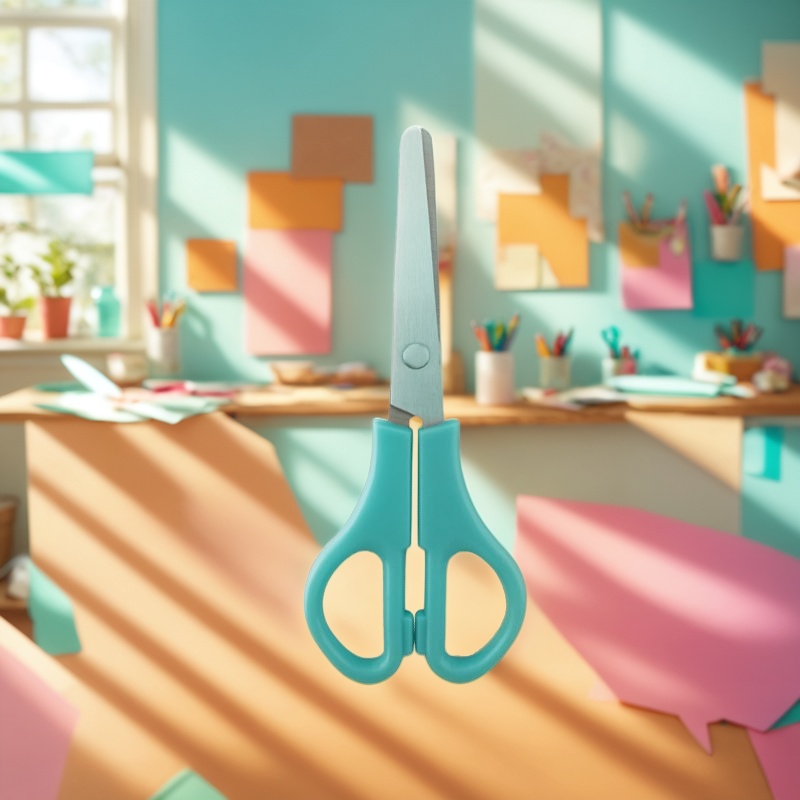
OEM Scissors Manufacturer: Sourcing Kid, Student and School Craft Scissors

Choosing an OEM scissors manufacturer for school and craft products is not only about finding a low unit cost. Buyers also need to confirm whether the scissors are suitable for the intended age group, classroom use, craft materials, retail packaging and private-label requirements. The original product focus includes kid scissors, student scissors and school craft scissors designed for educational and creative environments, so the best sourcing approach is to match each model to a clear use case before discussing customization.
Key Takeaways
- Separate kid scissors, student scissors and school craft scissors by user age, cutting task and classroom risk level.
- Ask suppliers for clear details on blade material, tip design, handle design, packaging options and quality checks before ordering.
- Do not rely on catalog photos alone; request samples and test them with the materials your customers actually use.
- For OEM projects, confirm artwork, labeling, carton information and any required compliance documentation early.
Understanding the OEM Scissors Sourcing Need
An OEM scissors manufacturer typically supports buyers who want scissors produced under their own brand, packaging concept or product line. In the school supply market, that may include retailers, importers, education distributors, promotional product buyers and craft kit brands. The sourcing goal is to select a product that is safe enough for the intended user, durable enough for frequent handling and consistent enough for repeat wholesale orders.
The original article mentions scissors for educational and creative settings, with an emphasis on safety, durability and everyday use. Those are useful priorities, but buyers should translate them into measurable checks. For example: What tip shape is used? Are the handles comfortable for small hands? Are the scissors intended only for paper and lightweight materials, or can they handle cardstock or fabric? What packaging is available for retail shelves or classroom bulk packs?
Comparing Kid, Student and School Craft Scissors
Not every school scissor serves the same audience. A kindergarten craft tool should not be evaluated the same way as a student scissor for older children. The table below can help buyers build a shortlist before requesting quotations.
| Product type | Typical user | Useful sourcing checks | Questions to ask the supplier |
|---|---|---|---|
| Kid scissors | Younger children doing supervised paper crafts | Blunt-tip design, comfortable grip, easy handling, bright color options such as turquoise if available | What age range is the model intended for? What materials can it cut safely? |
| Student scissors | Older children and teenagers in classroom projects | Sharper cutting performance, non-slip grip, durability for frequent school use | How is blade sharpness controlled? Are left-hand or ambidextrous options available? |
| School craft scissors | Classrooms, art rooms and craft kits | Versatility for paper, cardstock or lightweight craft materials, lightweight construction, handle comfort | Which materials were considered in design? Can the model be packed for classroom sets? |
Safety and Usability Points Buyers Should Review
For kid scissors, the original content highlights blunt-tip designs, ergonomic handles and comfortable grip. These features matter because young users are still developing fine motor skills and need better control. However, buyers should avoid assuming that every child-safe scissor meets the same standard. Ask for product drawings, sample photos and usage guidance. If your target market requires specific safety documentation, confirm what the supplier can provide before production.
Usability also affects product acceptance. A scissor that is difficult to open, too loose at the pivot or uncomfortable after a few minutes may generate complaints even if the price is attractive. When reviewing samples, have multiple users test the same model and record comments on grip size, cutting smoothness and control. For educational channels, feedback from teachers or craft instructors can be especially valuable.
Material, Blade and Handle Considerations
The original article notes that kid scissors are often crafted from stainless steel and that student scissors may use sharper blades for more demanding school tasks. Because material details can vary by product, buyers should ask the OEM scissors manufacturer to confirm the blade material used for the exact model being quoted. Do not assume a material grade, coating or corrosion-resistance level unless it is stated in a product specification sheet.
Handles are equally important. Ergonomic handles, non-slip grips, lightweight construction and ambidextrous handles are all mentioned in the source content as useful design attributes. For OEM sourcing, ask whether these features apply to the exact model, whether handle colors can be customized and whether the grip material affects packaging, odor, durability or regional compliance requirements.
OEM Customization and Packaging Questions
OEM scissors sourcing usually involves more than placing a logo on a product. Buyers should define the commercial package, retail message and carton requirements before confirming an order. This prevents delays when the factory needs barcode files, warning labels, instruction text or artwork approvals.
- Confirm which scissor models are available for OEM branding.
- Ask where a logo can be applied: handle, blade, card, sleeve or outer carton.
- Request packaging options such as single retail packs, classroom packs or craft kit packing if relevant.
- Check artwork file requirements and approval timelines.
- Ask what information must appear on packaging for your destination market.
If minimum order quantity, lead time, sample cost or private-label fees are important to your project, request them directly from the supplier. These commercial details should not be assumed from a general product article.
Quality Control Before Wholesale Orders
Before committing to a large purchase, set up a simple inspection checklist. For scissors, common checks include blade alignment, pivot tightness, opening and closing smoothness, handle finish, cutting performance and packaging accuracy. If the order includes multiple colors or branded packaging, confirm that the color, logo position and printed information match approved samples.
Buyers should also test the scissors with real classroom or craft materials. Paper cutting is basic, but school craft scissors may be expected to cut cardstock or lightweight materials depending on how they are marketed. If fabric cutting is part of your sales claim, ask the supplier whether that use is supported for the model and verify it with samples.
FAQ: Buying from an OEM Scissors Manufacturer
What is the difference between kid scissors and student scissors?
Kid scissors are generally selected for younger users and often prioritize blunt tips and easy control. Student scissors may be chosen for older children who need stronger cutting performance for school projects.
Can I customize colors and packaging?
Many OEM projects involve color and packaging customization, but available options depend on the specific model and order terms. Ask the supplier for current color choices, artwork rules and packaging formats.
Should I request samples before ordering?
Yes. Samples help you check grip comfort, cutting smoothness, blade alignment, packaging and whether the scissors fit your target user group.
What compliance documents should I ask for?
Requirements depend on the destination market and sales channel. Ask the supplier what documents are available for the exact product, then compare them with your importer, retailer or local regulatory requirements.
How do I compare quotations from different suppliers?
Compare the same product scope: blade material, handle design, packaging, logo work, carton packing, sample terms, lead time, inspection process and after-sales handling. A cheaper quote may not include the same requirements.
Final Sourcing Advice
A reliable OEM scissors project starts with a clear product brief. Define whether you need kid scissors, student scissors or school craft scissors; list the materials they should cut; identify the packaging channel; and state any branding or documentation requirements. With those details in place, supplier conversations become more specific, samples are easier to judge and wholesale decisions are based on real product fit rather than generic catalog claims.
