




OEM Scissors: Precision Cutting with Style
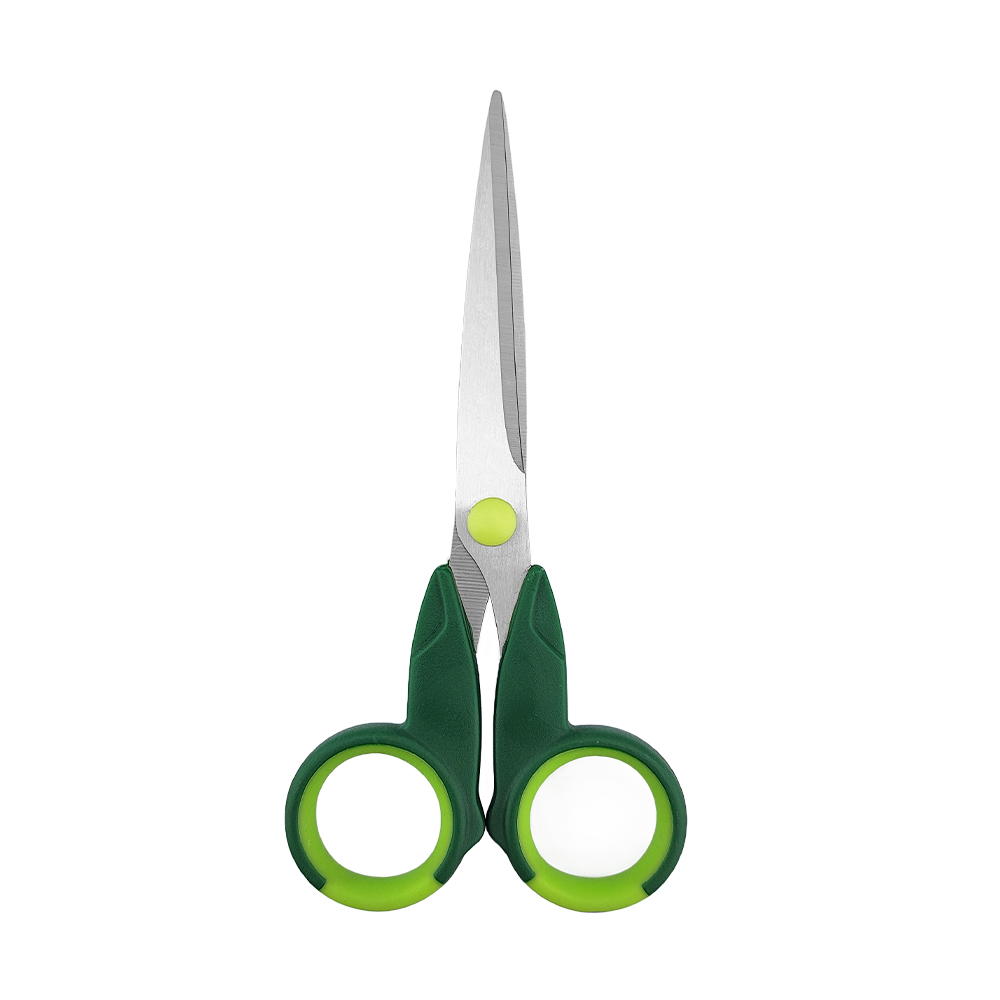
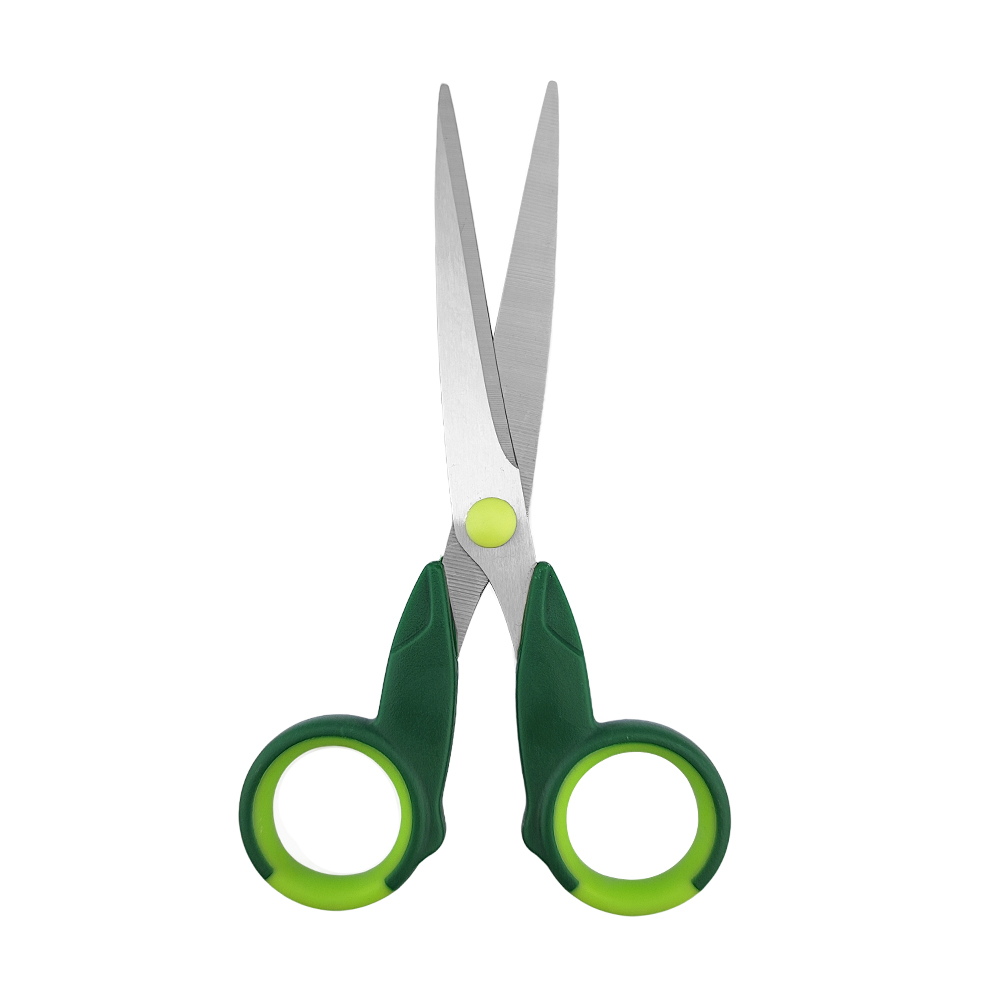
OEM scissors are a practical category for household brands, stationery distributors, craft retailers, and promotional product buyers. A simple pair of scissors can look basic at first glance, but buyers know that small design decisions affect comfort, cutting feel, perceived quality, and repeat purchase potential. The original product example features a green and lime handle design, circular finger loops, stainless steel blades, and a central pivot with a contrasting lime accent. Those visible details make it a useful reference point for understanding how OEM scissors can combine everyday function with a recognizable brand look.
Key Takeaways
- OEM scissors should be evaluated for cutting performance, hand comfort, blade alignment, and consistency across production lots.
- Visible customization can include handle color, grip shape, pivot details, packaging, and brand presentation.
- Stainless steel blades are explicitly shown in the original product description, but buyers should ask suppliers for the exact material grade and testing method.
- For B2B sourcing, avoid judging by appearance alone; request samples, define inspection criteria, and confirm commercial details before ordering.
What Makes OEM Scissors Different?
OEM scissors are produced for a brand, importer, retailer, or distributor that wants a product aligned with its own market positioning. Instead of selling a generic item with no distinction, the buyer can work with a supplier on selected details such as handle color, packaging style, labeling, and functional requirements. In the original article, the green and lime design is not only decorative; it shows how a common household tool can be made more recognizable on a shelf or online listing.
For buyers, the goal is not simply to create a brighter product. The best OEM program connects visual design with actual user needs. Household users may cut paper, packaging, gift wrap, light craft materials, or fabric. Office and school users may care about clean paper cuts and comfortable repeated use. Craft buyers may be more sensitive to precision and control. The intended use should guide the specification.
Design and Comfort Factors to Check
The original scissors description highlights ergonomic handles and circular finger loops. These are important details because scissors are held under pressure, often repeatedly. A handle that looks attractive but pinches the fingers can lead to poor reviews and product returns. During sample review, buyers should test the scissors with different hand sizes and with both short and repeated cutting motions.
Comfort is also linked to balance. If the blades feel too heavy for the handle, the tool may feel awkward. If the finger loops are too small, the product may exclude some users. If the handle surface is slippery, control may suffer. For OEM projects, ask whether the supplier can provide handle drawings, color matching options, and pre-production samples before mass production.
Blade Performance and Everyday Cutting Use
The original article states that the scissors use stainless steel blades and can cut paper, cardstock, and fabric. Those are useful application references, but sourcing teams should still define performance expectations clearly. A sample may cut well at first, while long-term consistency depends on blade alignment, pivot smoothness, edge finishing, and quality control.
For household scissors, the cut should start smoothly near the pivot and continue cleanly toward the tip. The blades should not scrape excessively, wobble, or leave ragged paper edges. The pivot should move with enough resistance for control but not so much that the user experiences fatigue. If the product is marketed for fabric or craft use, ask the supplier what materials were used in internal testing and whether the same performance can be maintained in bulk production.
Comparison Checklist for B2B Buyers
| Evaluation Area | What to Check | Supplier Questions |
|---|---|---|
| Blade material | Stainless steel is stated in the source; confirm exact grade and finish | What blade material grade is used, and can it be documented? |
| Cutting performance | Clean cuts on paper, cardstock, fabric, or other intended materials | What cutting tests are performed before shipment? |
| Handle comfort | Finger loop size, grip shape, pressure points, and control | Can handle shape or color be customized for our market? |
| Pivot action | Smooth opening and closing without looseness | How is pivot tightness checked during production? |
| Appearance | Consistent green and lime color, clean molding, neat assembly | Can you provide color samples or approved color references? |
| Packaging | Retail display, safety, labeling, and barcode needs | What packaging formats and artwork files are required? |
Customization Options to Discuss With a Supplier
Custom scissors manufacturing can involve more than changing the handle color. The original model shows a bold green and lime palette, circular finger loops, and a colored pivot detail. Those choices help a product stand apart, but each customization should be discussed in relation to tooling, cost, lead time, and consistency.
- Handle color: ask whether standard colors or matched colors are available.
- Handle shape: confirm whether existing molds are used or new tooling is required.
- Blade finish: ask what finishes are available and how they affect corrosion resistance and appearance.
- Branding: discuss logo placement, packaging artwork, insert cards, or retail labels.
- Assortments: consider whether one design should cover household, office, and craft channels or whether separate versions are needed.
Buyers should avoid assuming that every visual detail can be changed without impact. Even a small change to the handle shape may require mold changes. A new color may require color approval and additional sampling. Packaging changes may affect carton size, shipping efficiency, and retail display compatibility.
Quality Control Points Before Placing an OEM Order
A strong OEM scissors program should include clear approval steps. Start with reference samples, then request revised samples if branding or design details change. Before confirming an order, define acceptable quality standards in plain language. For example, specify that the blades must open and close smoothly, tips must align correctly, handles must be free of sharp plastic edges, and packaging must match approved artwork.
It is also sensible to ask about inspection procedures without expecting unsupported claims. Questions may include: How many units are inspected per batch? What defects are considered critical? How are blade alignment and pivot movement checked? Can the supplier provide photos or videos during production? Are replacement or corrective action processes available if defects are found? These questions help reduce risk while keeping expectations realistic.
How to Match Scissors to the Right Sales Channel
Not every pair of OEM scissors needs the same specification. A household product sold through supermarkets may prioritize comfort, safe packaging, and broad usability. A craft channel may need better tip control and cleaner cuts on specialty materials. An office channel may value consistent paper cutting, simple packaging, and reliable bulk supply. Promotional buyers may focus more on color, logo placement, and perceived value.
The green and lime model described in the source is suitable as an example of a visually distinctive household scissors design. Its stainless steel blades and ergonomic handle concept support everyday use, while the color combination gives buyers a starting point for private-label differentiation. The final specification should still be based on the buyer's target customer, retail price point, and quality expectations.
FAQ
What should I ask before sourcing OEM scissors?
Ask about blade material, handle customization, sample availability, packaging options, inspection standards, order quantities, lead times, and how defects are handled. Do not rely on photos alone.
Can handle colors be customized?
Many OEM projects include handle color customization, but buyers should confirm available colors, color matching methods, sample approval steps, and whether any tooling or minimum order requirements apply.
Are stainless steel blades always the same quality?
No. The source states that the product uses stainless steel blades, but stainless steel can vary by grade, thickness, finish, and heat treatment. Ask the supplier to confirm the exact specification.
How should samples be tested?
Test samples on the materials your customers will actually cut, such as paper, cardstock, packaging, or fabric. Check comfort, blade alignment, pivot smoothness, tip performance, and appearance after repeated use.
What makes scissors suitable for private label?
A private-label scissors program should offer consistent quality, clear branding space, suitable packaging, dependable supply communication, and customization options that match the buyer's target market.
