




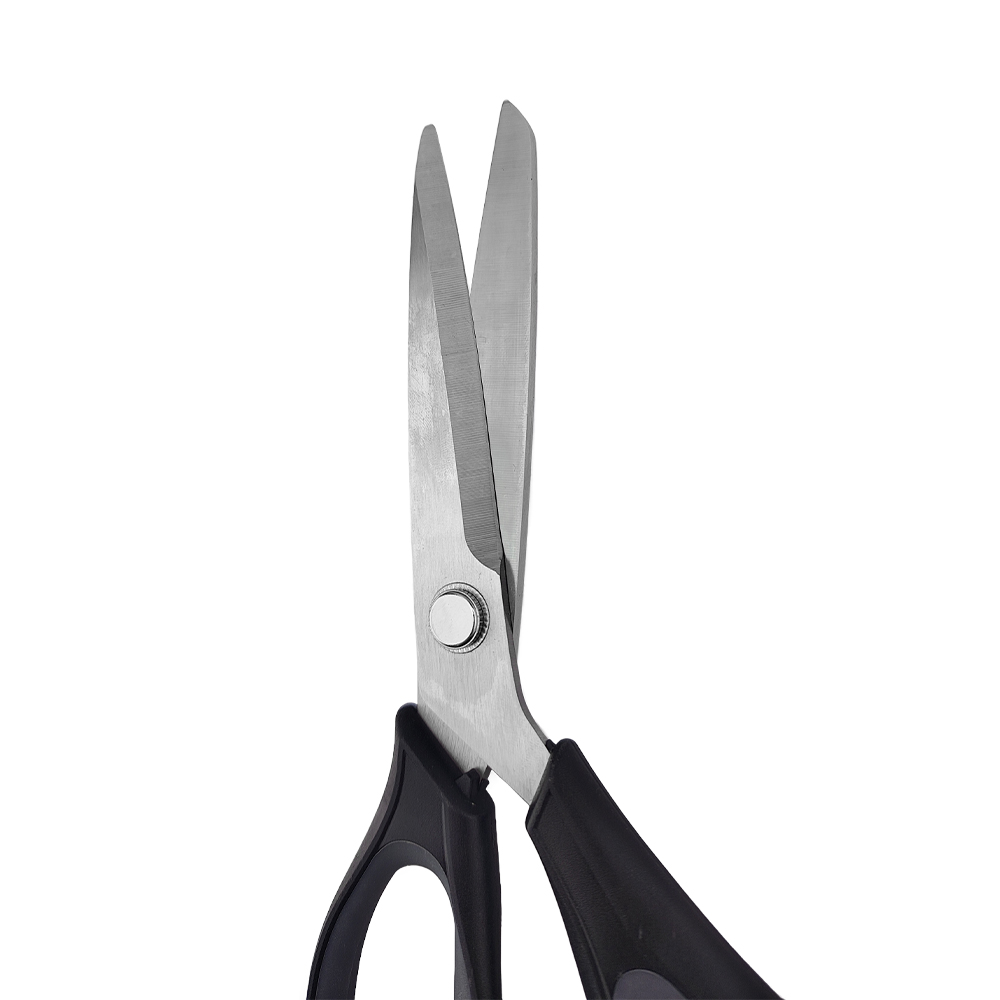
OEM Tailor Scissors: Sourcing Custom Tools for Textile Brands
For fashion labels, sewing accessory brands, textile distributors, and private-label tool companies, sourcing OEM tailor scissors is not only about placing a logo on a product. Tailor scissors are work tools used repeatedly on fabric, patterns, lining, denim, and other materials. If the scissors feel unbalanced, lose sharpness quickly, or cause hand fatigue, the end customer will notice.
The original purpose of an OEM program is to create a product that reflects your brand requirements while relying on an experienced manufacturing partner for production. The challenge is knowing what to ask, what to inspect, and how to compare potential suppliers before committing to bulk orders.

Key Takeaways
- OEM tailor scissors should be assessed for cutting performance, balance, handle comfort, finish quality, and consistency.
- Do not rely on product photos alone; request samples and test them on fabrics relevant to your customers.
- Ask each scissors factory about material options, tolerance control, packaging, branding methods, lead time, and quality inspection procedures.
- A suitable professional scissors manufacturer should be able to discuss both customization and repeatable production quality.
What OEM Tailor Scissors Mean for a Brand
OEM tailor scissors are scissors produced by a manufacturer for another company to sell under its own brand, design, or packaging concept. Depending on the supplier, customization may include handle color, logo placement, blade finish, packaging artwork, product sets, or small design adjustments. However, available options vary, so buyers should confirm what is technically possible before finalizing a product plan.
For B2B buyers, the value of OEM sourcing is control. You can position the product for professional tailoring, home sewing, craft use, school supplies, or textile workshops. Each market may require a different balance between cutting performance, comfort, durability, packaging style, and cost target. A clear brief helps the supplier recommend a realistic specification instead of guessing from a generic inquiry.
Quality Factors to Check Before Ordering
The original article correctly emphasized that high quality scissors depend on more than appearance. Important product factors include blade sharpness, edge retention, corrosion resistance, handle comfort, and overall balance. High-carbon stainless steel was noted as a material option in the source article; if you are considering this or any other steel, ask the supplier to clarify the exact material, hardness range, heat treatment approach, and maintenance requirements.
Blade alignment is another critical point. When the two blades meet evenly and the pivot tension is properly set, the scissors cut cleanly from base to tip. Poor alignment can create fabric chewing, skipped cuts, or excess hand pressure. For tailor scissors, buyers should also evaluate whether the handle shape suits long work sessions, because professional users may cut for hours at a time.
Comparison Checklist for Supplier Evaluation
| Evaluation Item | What to Check | Questions to Ask the Supplier |
|---|---|---|
| Blade material | Steel type, hardness, corrosion resistance, edge performance | What material options are available, and can you provide material details for each? |
| Cutting performance | Clean cuts on light, medium, and heavy fabrics | What fabrics do you recommend for sample testing before approval? |
| Handle design | Grip comfort, finger space, fatigue reduction | Can the handle color, texture, or shape be customized? |
| Balance and tension | Smooth opening, stable pivot, controlled pressure | How is blade alignment and pivot tension checked during production? |
| Branding and packaging | Logo method, carton design, retail packaging options | What artwork files, color references, and packaging samples are required? |
| Quality control | Incoming checks, in-process inspection, final inspection | What inspection steps are used before shipment? |
How to Build a Clear OEM Specification
A good OEM inquiry should be specific enough for a manufacturer to quote accurately. Instead of asking only for “high quality tailor scissors,” describe your target customer and selling channel. A professional sewing supply distributor may need a different product than a craft kit brand or a promotional gift supplier.
- Define the target use: professional tailoring, garment factory use, home sewing, craft, or education.
- State the preferred size range, blade style, handle type, color direction, and packaging format.
- Ask for available material choices rather than assuming one grade or finish is standard.
- Request samples for cutting tests, comfort checks, and packaging review.
- Confirm how approved samples will be used as the reference for bulk production.
If you plan to sell in regulated markets, ask the supplier what documentation they can provide and verify requirements with your own compliance advisor. Do not assume that a product is compliant with a market standard unless documentation has been reviewed.
Testing Samples Like a Professional Buyer
Sample testing should reflect real use. Prepare fabrics that match your market: cotton, lining, wool blends, denim, canvas, felt, or synthetic textiles. Test whether the scissors start cuts cleanly, continue smoothly through long lines, and finish at the tip without snagging. Also check comfort after repeated opening and closing, not just the first cut.
Inspect the finish closely. Look for burrs, uneven coating, scratches, unstable screws, uncomfortable handle edges, and inconsistent logo placement. Open and close each sample several times to feel for grinding, looseness, or excessive stiffness. If you receive multiple samples, compare them for consistency; a single good sample is encouraging, but repeatability is what matters in wholesale sourcing.
Working With a Professional Scissors Manufacturer
A reliable professional scissors manufacturer should be able to explain production choices clearly. This includes material selection, blade forming, sharpening, assembly, finishing, and inspection. You do not need to know every factory process in detail, but you should expect practical answers to product questions.
When speaking with a scissors factory, avoid vague assumptions about capacity, MOQ, certifications, or delivery time. Instead, ask directly: What is the minimum order quantity for this model? What is the normal sample lead time? What branding methods are available? Can you support repeat orders with the same approved specification? What happens if inspection finds cutting defects? These questions protect both buyer and supplier from misunderstandings.
Common Sourcing Mistakes to Avoid
- Choosing only by unit price: A lower price may come with trade-offs in material, finishing, packaging, or inspection.
- Skipping fabric tests: Tailor scissors should be tested on the materials your customers actually cut.
- Approving unclear artwork: Logo size, position, color, and packaging files should be confirmed before production.
- Ignoring hand comfort: A sharp blade is important, but uncomfortable handles can still lead to poor user feedback.
- Failing to define acceptance standards: Agree on sample references, defect categories, and inspection expectations in writing.
Practical FAQ
What should I ask before ordering OEM tailor scissors?
Ask about material options, sample availability, logo methods, packaging choices, MOQ, lead time, inspection procedures, and how the approved sample will be matched in mass production.
How can I judge whether tailor scissors are high quality?
Check clean cutting from heel to tip, smooth blade movement, stable pivot tension, comfortable handles, good balance, and consistent finish. Test more than one sample if possible.
Can I request custom packaging for wholesale or retail sales?
Many OEM suppliers offer packaging options, but formats and artwork requirements vary. Confirm dielines, printing method, packaging materials, barcode needs, and approval samples before production.
Is high-carbon stainless steel always the best choice?
It can be a useful option for sharpness and corrosion resistance, as noted in the source article, but the best choice depends on the target use, price range, maintenance expectations, and supplier capability. Ask for exact material details before deciding.
Final Thoughts
Creating a strong OEM tailor scissors line begins with disciplined sourcing. Focus on measurable performance, realistic customization, sample testing, and clear supplier communication. By asking the right questions and setting defined quality expectations, brands can select tailor scissors that support long-term customer trust rather than relying on appearance alone.
