




OEM Tailor Scissors: Professional Sourcing and Product Review
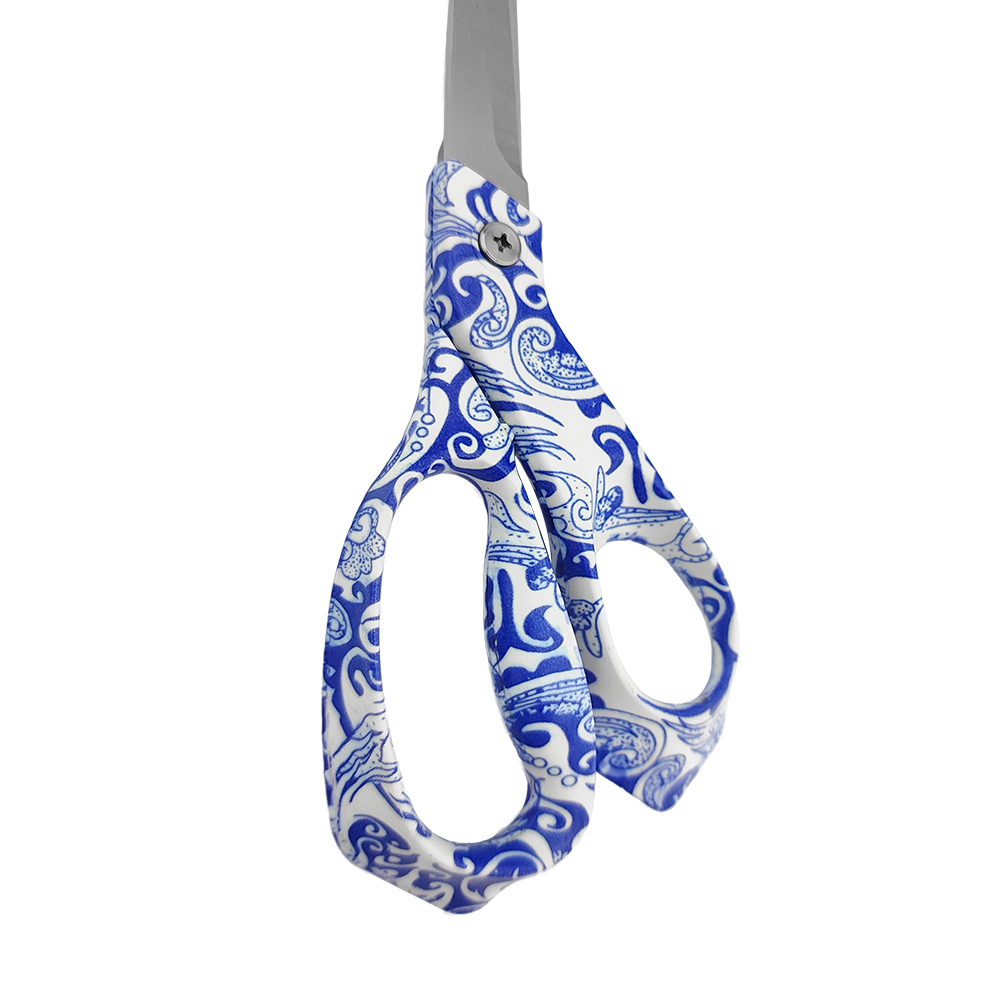
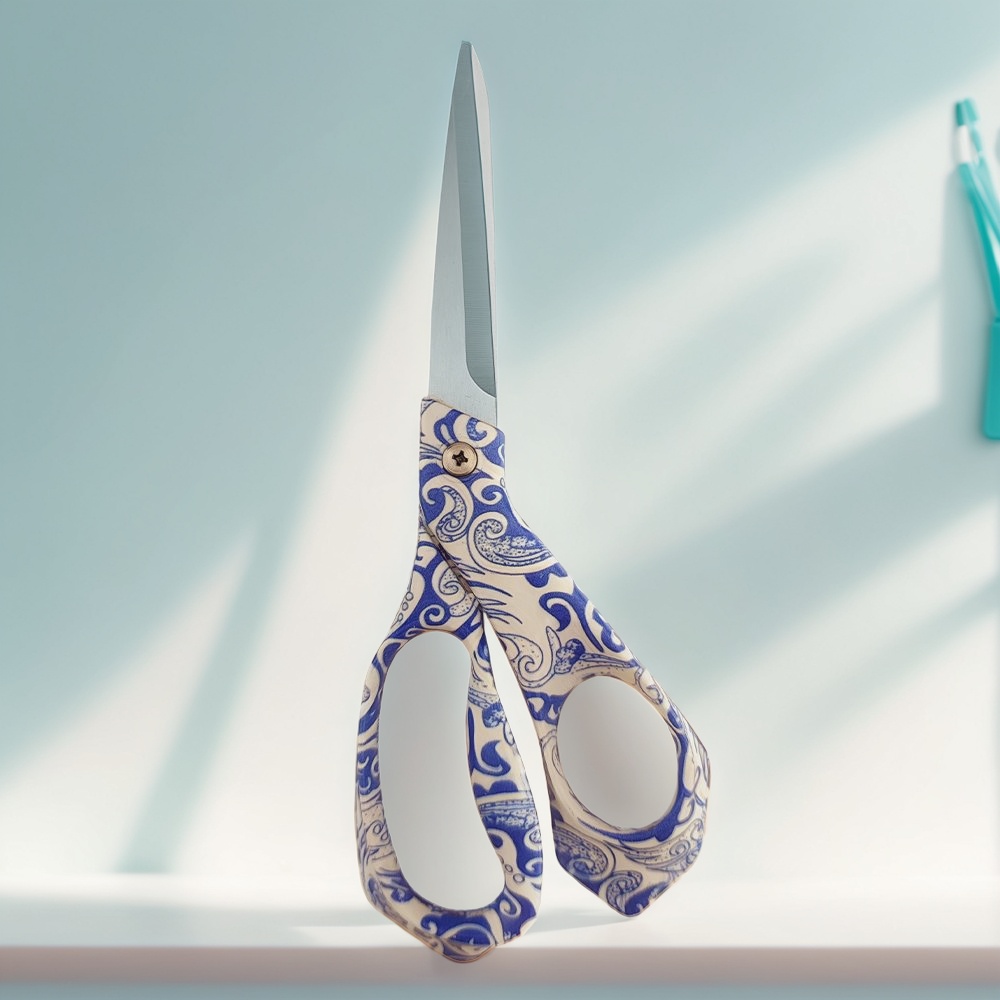
OEM tailor scissors are not only cutting tools; for many sewing brands, craft retailers, gift suppliers, and distributors, they are also part of a product line’s identity. The original article introduced a pair of designer paisley scissors with stainless steel blades, a blue and white patterned handle, and a focus on professional cutting performance. This rewritten guide keeps those useful details while looking at the product from a practical sourcing point of view: how to evaluate quality, what to ask a scissors manufacturer, and how buyers can reduce risk before placing an OEM or wholesale order.
Key Takeaways
- OEM tailor scissors should be evaluated by cutting accuracy, blade alignment, handle comfort, finish quality, and packaging suitability.
- The source product highlights stainless steel blades and a decorative blue and white paisley handle, which may suit craft, sewing, and gift-focused product ranges.
- Before ordering, buyers should ask the supplier about customization options, sample approval, quality inspection methods, lead time, MOQ, packaging, and after-sales handling.
- Do not rely only on appearance. Test scissors on the materials your customers actually use, such as fabric, thread, paper patterns, or craft materials.
What Makes Tailor Scissors Different?
Tailor scissors are designed for controlled cutting across fabric and related sewing materials. Unlike general household scissors, they are expected to provide a clean, continuous cut without chewing the edge of fabric or forcing the user to repeat the same line. For professional sewing, pattern making, and craft use, a good pair should feel stable in the hand, open and close smoothly, and keep the blades properly aligned during use.
For B2B buyers, the important question is not simply whether the scissors look attractive. A decorative handle can help a product stand out on a retail shelf, but performance determines repeat purchase and customer reviews. If you are sourcing OEM tailor scissors, request samples and test them under realistic conditions before discussing bulk packaging or branding.
Blade Performance: What to Check
The original product description states that the scissors use stainless steel blades. Stainless steel is commonly valued for corrosion resistance and general durability, but the grade, hardness, sharpening process, and edge retention should be confirmed with the supplier rather than assumed. Buyers should ask which blade material is used, how the blades are finished, and whether the supplier can provide inspection criteria for sharpness and alignment.
Sample testing should include straight cuts, curved cuts, and tip cuts. If your customers are tailors or sewing hobbyists, test on common garment fabrics and pattern paper. If your market includes craft buyers, also test on light cardstock or similar materials, while remembering that cutting paper may dull fabric scissors faster over time. A clean cut at the blade tip is especially important for trimming thread, notches, and detailed craft work.
Handle Comfort and Decorative Design
The paisley handle is one of the most distinctive features described in the source article. A blue and white pattern gives the scissors a more decorative look than plain utility models, which can be useful for gift sets, craft kits, sewing shop displays, or private-label lifestyle ranges. However, the handle should still be judged by comfort, not only visual appeal.
During sample review, check whether the finger openings fit the intended user group. A handle that feels comfortable for short cutting tasks may cause pressure during long fabric preparation sessions. Ask several testers to use the scissors for repeated cuts and note any rubbing, slipping, or hand fatigue. For OEM projects, discuss whether handle color, pattern, logo placement, or packaging artwork can be customized, and ask the supplier to confirm what changes are technically available.
OEM Sourcing Checklist for Buyers
When sourcing from a scissors manufacturer or trading partner, use a structured checklist. This keeps purchasing decisions consistent and helps avoid misunderstandings after production begins.
| Evaluation Area | What to Review | Questions to Ask the Supplier |
|---|---|---|
| Blade quality | Sharpness, alignment, smooth opening, stainless steel details | What blade material and finishing process are used? |
| Cutting test | Fabric, thread, paper pattern, and intended craft materials | Can pre-production samples be approved before bulk production? |
| Handle design | Comfort, grip, pattern finish, color consistency | Which handle colors, patterns, or logo options are available? |
| Packaging | Retail display, protection during shipping, barcode needs | Can packaging be customized for wholesale or private label? |
| Quality control | Inspection standards, defect handling, carton checks | What inspection steps are used before shipment? |
| Commercial terms | MOQ, lead time, payment, reorder process | What are the current MOQ, production time, and sample policy? |
How to Position These Scissors in a Product Range
Because these scissors combine a decorative handle with professional-style cutting expectations, they can fit several product strategies. A sewing retailer may position them as a more attractive option for home dressmakers. A craft distributor may include them in a premium tool assortment. A gift supplier may pair them with thread, measuring tape, or sewing accessories. For OEM buyers, the best positioning depends on the target customer and the price level you plan to serve.
Avoid overpromising in your own product copy. Unless confirmed by supplier documents or your testing, do not claim a specific steel grade, lifetime sharpness, industrial use, or certified compliance. Stronger copy can be built around verified points: stainless steel blades, decorative paisley handle, sample-tested cutting performance, comfortable grip, and suitability for sewing or craft tasks.
Quality Control Before Wholesale Shipment
Even a good sample does not guarantee every bulk unit will match it. Buyers should define quality expectations in writing before production. For tailor scissors, inspection may include checking blade movement, screw tightness, tip alignment, visible scratches, handle pattern defects, rust marks, packaging damage, and carton labeling. If color or pattern consistency matters for your brand, keep an approved sample and compare production units against it.
It is also wise to define how defective products will be handled. Ask the supplier what happens if inspection finds loose blades, chipped handles, poor printing, or packaging mistakes. Clear agreement on replacement, rework, or credit terms is part of responsible B2B sourcing.
Use and Care Guidance for End Customers
Retail buyers and brand owners should provide simple care instructions, especially if the scissors are sold to sewing and craft users. Good instructions can reduce returns and improve customer satisfaction.
- Use tailor scissors mainly for fabric and sewing-related materials when possible.
- Wipe the blades dry after use, especially in humid environments.
- Do not force the scissors through wire, thick plastic, or unsuitable hard materials.
- Store them closed and away from loose contact with other metal tools.
- If the cutting action becomes rough, check for lint or debris near the pivot before assuming the tool is defective.
Practical FAQ
Are these OEM tailor scissors suitable for private label projects?
They may be suitable, but private label options must be confirmed with the supplier. Ask about logo methods, handle pattern choices, packaging design, MOQ, sample costs, and approval steps before placing an order.
What material are the blades?
The source article states that the scissors have stainless steel blades. Buyers should still ask the manufacturer for the specific material details and any available quality documentation.
Can they cut both fabric and cardstock?
The original review described clean cutting through delicate silk and heavy-duty cardstock. For wholesale decisions, test your own samples on the exact materials your customers will use. If the product is mainly marketed as tailor scissors, fabric testing should be the priority.
What should I check first when receiving samples?
Start with blade alignment, sharpness, tip cutting, handle comfort, surface finish, and packaging condition. Compare multiple samples, not just one unit, to see whether quality is consistent.
How can I avoid exaggerated product claims?
Base marketing language on confirmed features and your own testing. Do not claim special certifications, steel grades, professional approvals, or performance results unless the supplier provides reliable evidence and you have verified that the claim applies to your order.
Final Assessment
These OEM tailor scissors are most interesting because they combine a decorative paisley handle with the practical expectations of a sewing and craft cutting tool. For consumers, the main considerations are clean cutting, comfort, and proper care. For B2B buyers, the decision should go deeper: request samples, test across real materials, confirm customization options, and document quality standards before production. With careful evaluation, this type of product can serve sewing, craft, retail, and gift channels without relying on vague promotional claims.
