




OEM Tailor Scissors: Practical Sourcing Guide for Blue Paisley Scissors
For tailors, craft brands, sewing retailers, and promotional product buyers, scissors are not a simple accessory. A poor pair can snag fabric, fatigue the hand, or create inconsistent cuts that slow down work. The original Blue Paisley Scissors article highlights a distinctive design, ergonomic handles, and stainless steel blades. This rewritten guide keeps those useful facts while adding a more practical view for buyers comparing OEM tailor scissors for wholesale, private label, or retail programs.
Key Takeaways
- Blue paisley handles give the scissors a recognizable retail look, but buyers should verify print durability and color consistency before ordering.
- The source article states that the blades are stainless steel; confirm the exact steel grade, hardness, sharpening method, and corrosion resistance with the supplier.
- Comfort matters for professional users, so request samples and test grip feel during repeated cutting tasks.
- For OEM orders, ask clear questions about branding, packaging, inspection standards, lead time, and replacement handling.
What Makes These Blue Paisley Tailor Scissors Notable?
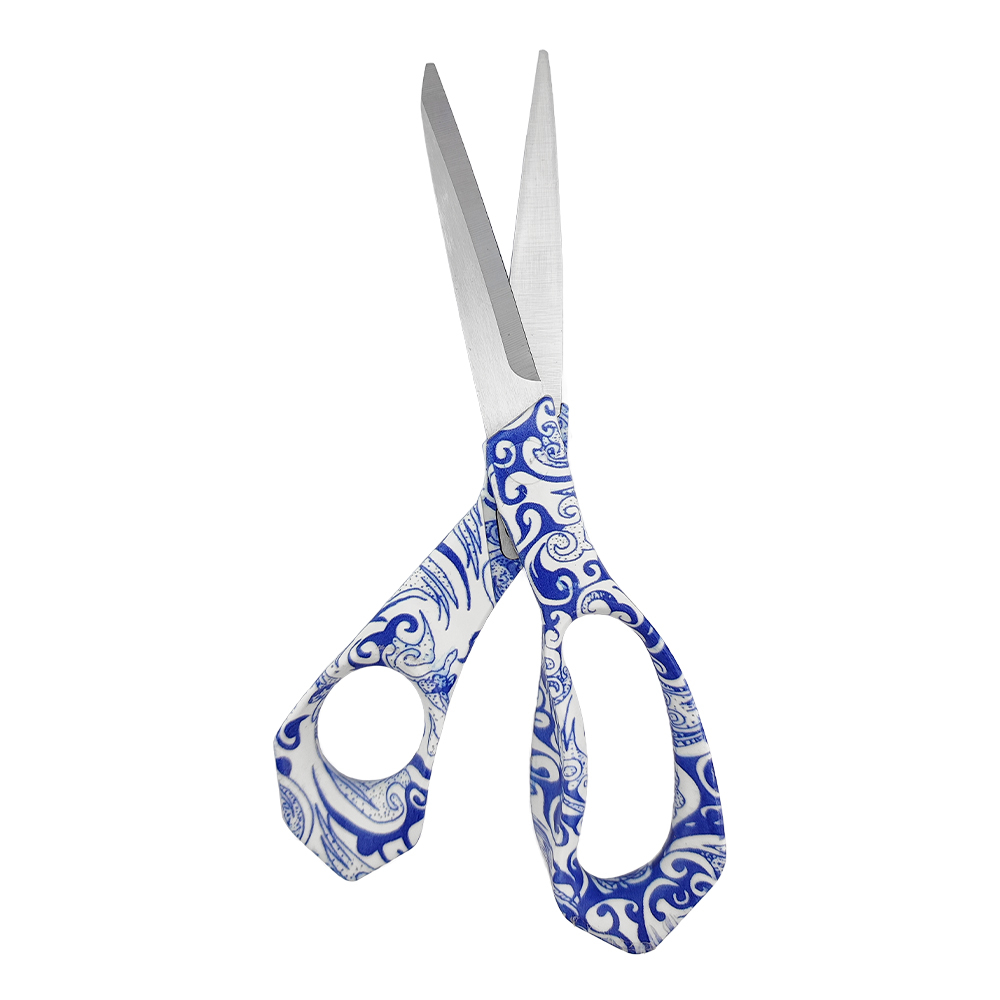
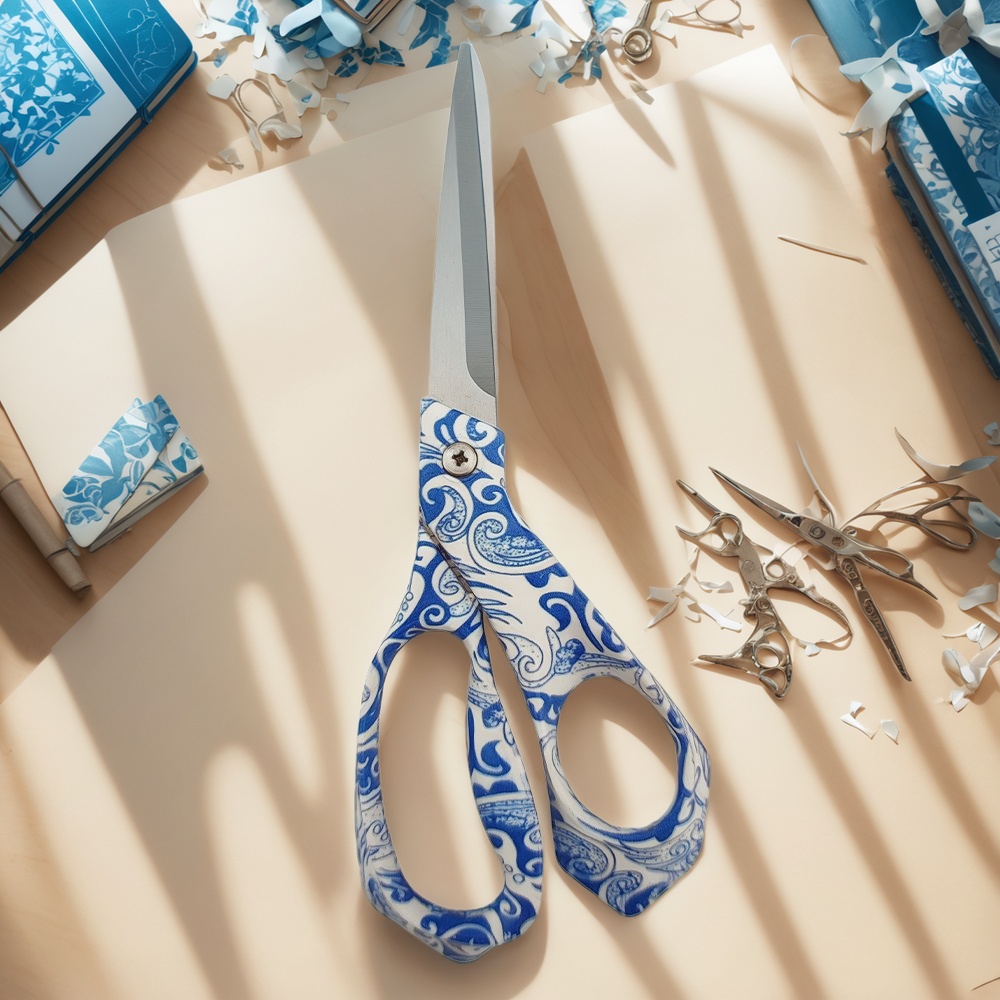
The most visible feature is the handle design: a vibrant blue paisley pattern on a white background. In a crowded scissors category, this kind of decorative finish can help a product stand out on a shelf, in a sewing kit, or in an online product image. For retailers, design can support differentiation when basic black or plain metal scissors dominate the assortment.
However, appearance should not be evaluated alone. If the scissors are intended for repeated tailoring, sewing, or crafting use, buyers should check whether the handle shape supports a firm grip and whether the decorative surface remains stable after handling, cleaning, and packaging friction. A beautiful pattern has commercial value only if it stays presentable through normal distribution and use.
Cutting Performance: What Buyers Should Verify
The original article states that the blades are made from stainless steel and are intended to deliver smooth, clean cuts on fabric, paper, and crafting materials. That is a helpful starting point, but wholesale buyers should turn this claim into a test plan. Ask for samples from the same production process that will be used for bulk orders, then test them on the materials your customers actually cut.
For tailor scissors, common evaluation points include blade alignment, tip accuracy, opening and closing smoothness, edge sharpness, and whether the scissors pull or chew fabric. If your product will be marketed to professional tailors, costume departments, sewing schools, or craft stores, cutting reliability should be checked across light cotton, layered fabric, thread, and paper patterns. Do not rely only on a single demonstration cut.
Comfort and Ergonomics for Long Cutting Sessions
The source article describes the handles as shaped for a comfortable, firm grip that helps reduce hand fatigue. This is important because scissors are used with repetitive hand motion. Even a sharp pair can disappoint users if the handle openings pinch fingers, feel slippery, or place the wrist at an awkward angle.
When reviewing OEM tailor scissors, create a simple in-house use test. Have several users with different hand sizes cut for a set period and note pressure points, grip control, and ease of opening. If the scissors are planned for professional or hobbyist markets, comfort feedback should influence the final purchase decision as much as visual design.
OEM and Wholesale Sourcing Checklist
Before placing an order, buyers should clarify which details are fixed and which can be customized. The article references OEM tailor scissors, but it does not provide commercial terms, production capacity, MOQ, certifications, or testing results. Those details should be requested directly from the supplier and recorded in writing.
| Checklist Item | Why It Matters | Questions to Ask the Supplier |
|---|---|---|
| Blade material | Material affects edge retention, corrosion resistance, and user expectations. | What stainless steel grade is used? Is hardness tested? |
| Cutting test | Sample performance must match the intended market. | What materials are used in factory cutting checks? |
| Handle finish | The blue paisley pattern is a key selling point. | How is the pattern applied, and how is print consistency inspected? |
| OEM branding | Private label buyers need clear branding options. | Can logos, hang tags, inserts, or packaging be customized? |
| Packaging | Scissors need safe transit and attractive retail presentation. | What packaging formats are available, and can samples be reviewed? |
| Quality control | Consistent batches reduce returns and complaints. | What inspection steps are used before shipment? |
How to Compare These Scissors With Other Options
For a balanced sourcing decision, compare the Blue Paisley Scissors with plain tailor scissors, heavy-duty fabric scissors, and craft scissors in your target price range. The paisley design may appeal to gift, sewing, and craft audiences, while a more traditional product may suit uniform professional toolkits. The right choice depends on your customer profile, not only on product appearance.
- Define the primary user: professional tailor, home sewer, crafter, student, or promotional gift recipient.
- List the materials the scissors must cut regularly.
- Compare sample cutting feel after repeated use, not just first impressions.
- Review packaging, labeling, and product photography needs for your sales channel.
- Confirm written specifications before approving bulk production.
Use and Care Guidance for End Users
Retailers and distributors can reduce complaints by providing simple care instructions. Scissors used for fabric should ideally be kept separate from paper or abrasive materials, because mixed use can dull edges faster. After use, the blades should be wiped clean and stored dry. Users should avoid forcing the scissors through materials beyond their intended cutting range, as this can affect alignment and edge condition.
If the product is sold online, add realistic guidance in the listing. Explain the intended use, show the handle design clearly, and avoid unsupported claims about performance, certifications, or special materials unless the supplier has provided documentation.
Practical FAQ
Are these scissors suitable for OEM or private label orders?
The topic concerns OEM tailor scissors, but the original information does not list available customization services. Buyers should ask the supplier about logo placement, packaging options, sample approval, MOQ, and lead time.
What material are the blades made from?
The original article states that the blades are stainless steel. Buyers should confirm the exact grade, hardness, finish, and any corrosion-resistance testing before making technical claims.
Can these scissors cut both fabric and paper?
The source mentions use on delicate fabrics, thick paper, and crafting materials. For professional fabric use, it is still wise to test samples on the specific materials your customers will cut most often.
How should buyers inspect bulk shipments?
Check blade alignment, cutting smoothness, handle finish, packaging condition, and visual consistency. If you have strict retail requirements, agree on inspection standards before production.
Who is the likely market for blue paisley tailor scissors?
The decorative handle makes them relevant for sewing retailers, craft stores, giftable tool sets, and hobbyist audiences. Professional buyers should still prioritize comfort, sharpness, and consistency over appearance alone.
