





OEM Tailor Scissors: Precision Crafting Tools
OEM tailor scissors are purchased for one reason: consistent cutting performance in sewing, alteration, textile, and craft environments. For brands, distributors, sewing supply wholesalers, and promotional product buyers, the challenge is not simply finding scissors that look professional. The real task is choosing a supplier that can explain materials, edge finishing, handle options, packaging, inspection methods, and order support clearly.
The original article identified OEM tailor scissors, professional tailor scissors factories, high quality scissors manufacturer standards, and Yangjiang tailor scissors as key themes. This rewritten guide keeps those useful directions while focusing on practical sourcing decisions. It does not assume a specific blade grade, certification, MOQ, price, or production capacity. Those details should be confirmed directly with the supplier before purchase.
Key Takeaways
- OEM tailor scissors should be evaluated by cutting feel, blade alignment, pivot stability, handle comfort, and repeat consistency.
- Buyers should ask suppliers to confirm blade material, finish, hardness target, packaging choices, logo methods, and inspection procedures.
- Yangjiang is widely associated with knife and scissors manufacturing, but every factory should still be assessed on its own documentation and samples.
- For wholesale or private label programs, approved samples, written specifications, and pre-shipment checks reduce misunderstandings.
What Makes OEM Tailor Scissors Different?
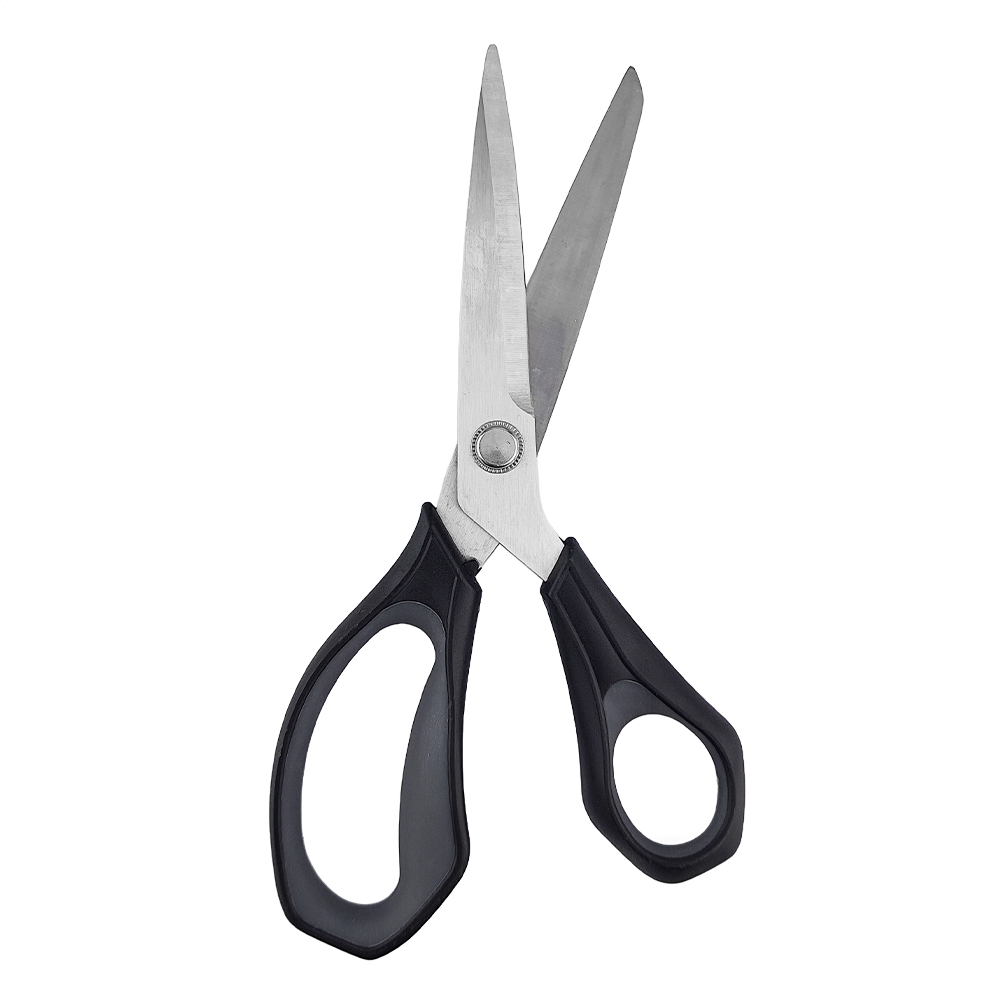
Tailor scissors are designed for fabric cutting rather than general household use. Buyers normally expect a longer blade, a stable pivot, and a handle shape that gives control during straight cuts and pattern work. In an OEM program, the buyer may request branding, packaging, color options, or product set configurations, depending on what the factory can support.
However, OEM should not be treated as a guarantee of quality by itself. Two pairs of scissors can look similar online while performing very differently on cotton, denim, lining fabric, felt, or thread. The difference may come from blade geometry, edge finishing, screw tension, polishing, heat treatment, or quality control. Because these details are hard to judge from photos, sample testing is essential.
How to Evaluate a Tailor Scissors Factory
A professional tailor scissors factory should be able to answer technical and commercial questions without relying only on broad claims such as “premium quality” or “professional grade.” Ask for clear written information that can be used in your purchasing file and product listing.
- Request the exact available sizes and whether dimensions may vary within a tolerance.
- Ask what blade materials and surface finishes are offered for the target model.
- Confirm which parts can be customized, such as logo, handle color, insert card, sleeve, box, or barcode label.
- Ask how the factory checks sharpness, alignment, screw tightness, appearance, and packing accuracy.
- Clarify lead time, MOQ, sample cost, payment terms, export documents, and after-sales handling before placing an order.
Good communication before production is a sign of lower sourcing risk. If a supplier cannot define the product clearly at the quotation stage, it will be harder to resolve disputes after delivery.
Comparison Checklist for Supplier Selection
| Evaluation Point | What to Ask | Why It Matters |
|---|---|---|
| Blade specification | What material, finish, edge style, and size options are available? | Prevents vague product descriptions and helps compare quotations fairly. |
| Cutting performance | Can samples be tested on the fabrics your customers commonly cut? | Real fabric testing is more reliable than judging sharpness by appearance. |
| Pivot and alignment | How is blade overlap and screw tension checked during inspection? | Poor alignment can cause snagging, uneven cuts, or fast performance decline. |
| Handle comfort | Are handle shapes, colors, or materials fixed or customizable? | Comfort affects repeat use, especially for tailors and sewing workshops. |
| OEM packaging | Which packaging formats can carry private label artwork? | Packaging influences retail presentation, shipping protection, and compliance labeling. |
| Quality control | Can the supplier provide an inspection checklist or acceptance standard? | Written standards reduce ambiguity when checking bulk goods. |
Questions About Materials, Edges, and Handles
The source article mentioned high-grade stainless steel, rust-resistant finish, ergonomic handles, and smooth operation. Those are common buyer interests, but each must be confirmed for the exact product being purchased. Do not assume all tailor scissors from one region or catalog share the same material or finish.
For blade material, ask the supplier to identify the steel option used for the quoted model and whether alternative grades are available. For the edge, ask whether the scissors are intended for light fabric, medium fabric, heavy fabric, or general sewing tasks. For the handle, request samples if your customer base includes professional users who cut fabric for long periods. A handle that feels acceptable for a short demonstration may feel uncomfortable during workshop use.
Also confirm whether the scissors are supplied with oil, protective sleeves, retail packaging, warning labels, or care instructions. These details can affect both the customer experience and the receiving inspection.
Understanding Yangjiang Tailor Scissors Sourcing
Yangjiang is known as a manufacturing region associated with knives, scissors, and related cutting tools. For buyers searching for Yangjiang tailor scissors, the location can be a useful starting point because it may offer access to experienced production networks. Still, sourcing should be based on supplier capability, sample quality, communication, and documented specifications rather than location alone.
When comparing Yangjiang suppliers, ask whether the company is a factory, trading company, or combined supplier. Each model can work, but the responsibilities should be clear. A factory may offer closer production control, while a trading company may coordinate multiple product categories. In either case, the buyer should require approved samples, confirmed artwork, packing details, and inspection criteria before mass production.
OEM Branding and Wholesale Order Planning
OEM tailor scissors are often purchased for private label retail, sewing kits, craft distribution, garment factory supplies, or online marketplace programs. Branding may include handle printing, blade marking, hang tags, inner boxes, cartons, or instruction inserts. The available method depends on the product surface, order quantity, packaging style, and factory equipment.
Before confirming a wholesale order, prepare a specification sheet. Include product size, color, logo position, packaging artwork, carton mark, barcode requirements, target market language, and any buyer-specific labeling needs. If compliance or safety documentation is required in your market, ask the supplier what documents they can provide and verify whether those documents are suitable for your sales channel. Do not rely on assumptions.
Sample Testing Before Bulk Purchase
A sample test does not need to be complicated, but it should be consistent. Use the same fabric types across all supplier samples. Check whether the scissors cut cleanly from the base of the blade to the tip. Open and close the scissors repeatedly to feel for grinding, looseness, or excessive tightness. Inspect the handle edges for roughness and the blade surface for scratches, stains, or uneven finishing.
If several team members will evaluate the samples, create a simple scorecard. Rate sharpness, comfort, balance, finish, packaging, and perceived value. Keep photos and written notes. This record is useful when negotiating final specifications or explaining why one quotation is preferred over another.
Care Guidance for End Users
Even well-made tailor scissors need proper care. Buyers who sell to end users can reduce complaints by including simple use-and-care guidance. Tailor scissors should be used for fabric and thread rather than paper, wire, plastic, or adhesive materials unless the supplier confirms the model is suitable for those tasks. After use, the blades should be wiped clean and stored dry. If the pivot becomes stiff, users should follow the supplier’s recommended maintenance method.
Care instructions are especially helpful for retail packaging and online listings. They set realistic expectations and help customers understand that cutting tools perform best when used for the intended material.
FAQ
What should I ask before ordering OEM tailor scissors?
Ask for blade material, size options, handle choices, logo methods, packaging formats, MOQ, lead time, sample process, inspection standards, and export documentation.
Are Yangjiang tailor scissors always better?
Yangjiang is a well-known production region for cutting tools, but quality depends on the specific supplier, model, materials, workmanship, and inspection process.
Can tailor scissors be customized for private label?
Often yes, but available customization depends on the supplier. Confirm logo position, packaging artwork, color options, and any setup requirements before production.
How can I compare two similar quotations?
Compare the exact specifications, sample performance, packaging, quality control process, lead time, communication quality, and after-sales support rather than price alone.
Should I approve samples before mass production?
Yes. Keep an approved sample and written specification as the reference for bulk production and pre-shipment inspection.
