





OEM Tailor Scissors: PrecisionCraft Ultra Scissors Review and Sourcing Guide
For apparel workshops, sewing brands, craft retailers, and textile distributors, tailor scissors are not a casual purchase. A poor cutting tool can slow production, damage fabric edges, and create inconsistent results across teams. This review revisits the PrecisionCraft Ultra Scissors as an example of OEM tailor scissors positioned for professional textile and craft use, while also explaining how buyers should evaluate any scissors factory or supplier before placing an order.
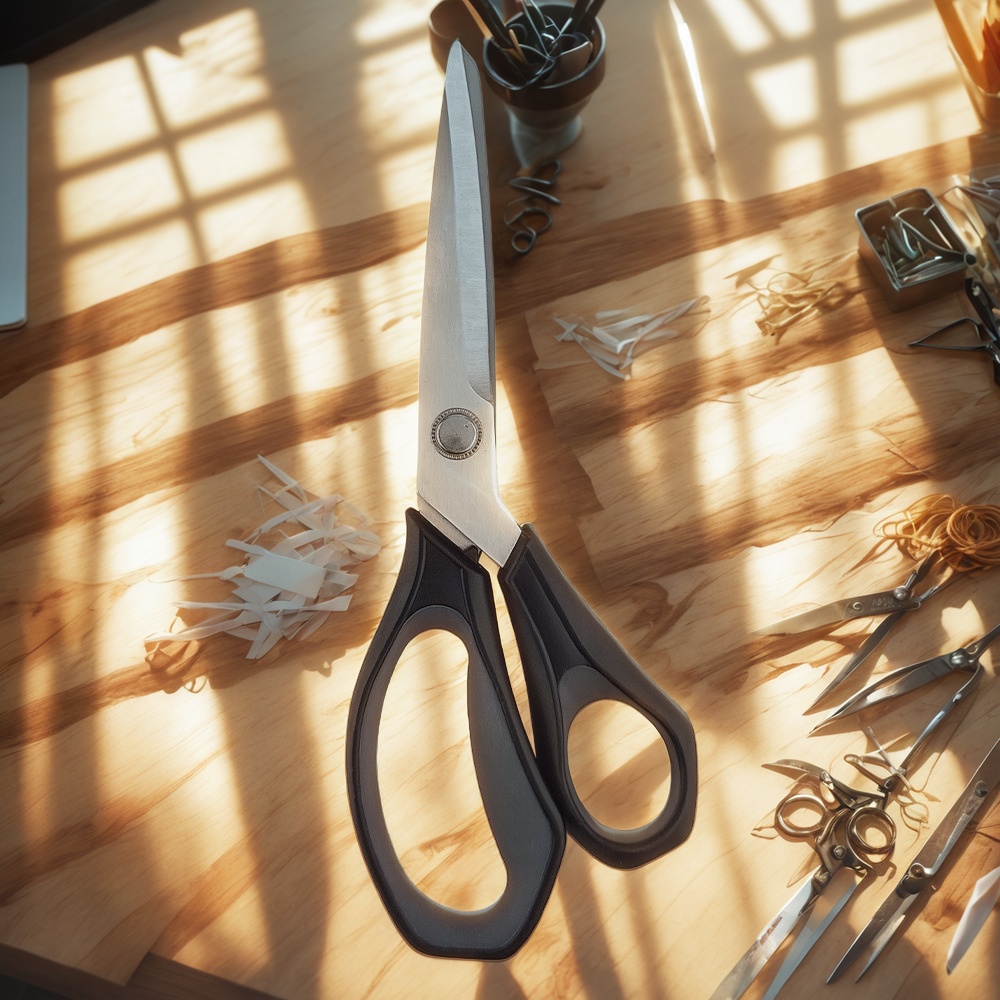
The original product description highlights several useful points: stainless steel blades, an ergonomic dual-material handle, a black handle with silver blades, and a design intended for smooth, controlled cutting. Those details make the product a good reference point for buyers comparing OEM tailor scissors, but they should still be verified through samples, written specifications, and supplier discussions.
Key Takeaways
- OEM tailor scissors should be assessed by cutting performance, blade alignment, handle comfort, and consistency across samples.
- The PrecisionCraft Ultra Scissors are described with stainless steel blades and a dual-material ergonomic handle, both relevant features for professional users.
- For wholesale or private-label orders, buyers should ask suppliers about materials, edge finishing, packaging options, inspection methods, and replacement policies.
- Do not rely only on product photos; request samples and test them on the fabrics your customers actually cut.
What the PrecisionCraft Ultra Scissors Offer
The PrecisionCraft Ultra Scissors are presented as professional tailor scissors for textile and craft applications. The original article describes the blades as made from high-grade stainless steel and suitable for cutting materials ranging from delicate silks to thick denim. It also notes a smooth cutting action with reduced snagging or fraying during use.
For B2B buyers, the important lesson is not only that sharpness matters, but that cutting behavior should be tested across different fabric weights. A pair of scissors that performs well on lightweight fabric may drag on layered cotton or heavy denim. When requesting an OEM sample, ask the supplier whether the scissors are intended for general sewing, tailoring, craft cutting, upholstery, or another use case. The intended application should guide blade length, handle size, edge geometry, and packaging position.
Blade Quality: What Buyers Should Check
Blade quality is the first area to inspect because it affects cut accuracy, user effort, and perceived product value. Stainless steel is mentioned in the source material, but buyers should not stop at the material name. Ask the supplier what steel is used, how the edge is finished, whether hardness is measured, and how blade alignment is checked before shipment. If the supplier cannot provide a clear answer, that does not automatically mean the product is unsuitable, but it does mean you need stronger sample testing.
A practical sample test can include straight cutting, curved cutting, tip cutting, and cutting through multiple fabric layers. Check whether the scissors cut cleanly from pivot to tip. Also open and close the scissors slowly to feel for grinding, looseness, or uneven resistance. For a retail product, consistency is just as important as one excellent sample; request multiple samples if possible.
Handle Comfort and Control
The original article describes the PrecisionCraft Ultra Scissors as having an ergonomic dual-material grip designed to reduce hand fatigue and provide secure handling. For professional users, this is a meaningful feature because tailor scissors may be used for long cutting sessions. Handle comfort influences accuracy as well as user satisfaction.
However, comfort is personal and depends on hand size, cutting style, and whether the user is right- or left-handed. The source article states the design feels comfortable for both right- and left-handed users. If this is a key selling point for your market, ask the supplier whether the design is truly ambidextrous or simply usable by either hand. For professional channels, it may also be worth asking whether dedicated left-handed versions are available.
Comparison and Inspection Checklist
The table below can be used when comparing the PrecisionCraft Ultra Scissors with other OEM tailor scissors samples from a scissors factory or trading supplier.
| Inspection Area | What to Look For | Questions to Ask the Supplier |
|---|---|---|
| Blade material | Stainless steel is stated; confirm the exact grade and finish. | What steel is used, and is hardness tested? |
| Cutting performance | Clean cuts on light, medium, and heavier fabrics. | What fabrics is this model designed to cut? |
| Blade alignment | No visible gap, wobble, or uneven contact. | How is alignment inspected before packing? |
| Handle design | Secure grip, comfortable finger openings, stable control. | What handle material is used, and are color options available? |
| Pivot action | Smooth opening and closing without excessive looseness. | Can pivot tension be adjusted during production? |
| OEM packaging | Retail-ready or bulk packaging depending on channel. | What packaging, logo, and labeling options are available? |
OEM and Wholesale Sourcing Guidance
If you are sourcing tailor scissors for a brand, distributor, or chain store, treat the product sample as the beginning of the process, not the final proof. Ask the supplier for a written product specification that covers dimensions, blade material, handle material, finish, packaging, logo position, carton information, and inspection standards. If your order requires custom branding, confirm how the logo will be applied and request pre-production photos or samples.
Commercial details should also be clarified early. Buyers should ask about minimum order quantity, lead time, sample cost, packaging cost, payment terms, and whether spare parts or replacement support are available. Because these details can vary by order and supplier, they should be confirmed directly rather than assumed from a product description.
For quality control, consider defining acceptable standards before production. For example, you may require each unit to open smoothly, cut paper or fabric cleanly, have no rust spots, and arrive in undamaged packaging. If you work with third-party inspection, share the inspection checklist with the factory before production starts.
Who These Scissors Are Best Suited For
Based on the original description, the PrecisionCraft Ultra Scissors are aimed at textile, craft, and professional sewing users who need sharp, controlled cutting. They may be relevant for sewing supply retailers, private-label craft brands, apparel training kits, tailoring workshops, and distributors serving garment-making customers.
They are less likely to be the right choice if your customers only need low-cost household scissors for occasional paper or package cutting. Tailor scissors should be positioned around fabric cutting performance, hand comfort, and durability expectations rather than as a general-purpose desk tool.
Practical Use and Care Tips
Even well-made tailor scissors perform poorly if they are misused. Retailers and distributors can reduce complaints by including simple care guidance in packaging or product listings. Recommend that users reserve tailor scissors for fabric and thread instead of paper, wire, plastic ties, or adhesive materials. After use, blades should be wiped clean and stored dry. If resistance develops at the pivot, users should follow the supplier’s maintenance advice rather than forcing the blades.
- Cut only suitable textile materials unless the supplier states otherwise.
- Store scissors closed and dry to protect the edges.
- Do not drop the scissors, as impact can affect alignment.
- Clean lint and residue from the blade area after extended use.
- Test on scrap fabric before cutting valuable material.
FAQ
Are the PrecisionCraft Ultra Scissors suitable for OEM orders?
They are presented as OEM tailor scissors, but buyers should confirm branding options, packaging choices, MOQ, lead time, and sample availability directly with the supplier before planning a wholesale order.
What fabrics should I test before buying in bulk?
Test the fabrics your customers commonly use, such as cotton, silk-like lightweight fabric, denim, lining fabric, felt, or layered textiles. Include both straight and curved cuts.
What supplier documents should I request?
Request a product specification sheet, packaging details, sample confirmation, quotation, production timeline, and any inspection criteria the supplier can provide. Do not assume certifications or test results unless they are documented.
How can I compare two tailor scissors samples fairly?
Use the same fabrics, the same number of layers, and the same cutting tasks. Compare sharpness, tip control, pivot smoothness, handle comfort, appearance, and consistency across multiple units.
Should I choose retail packaging or bulk packaging?
Retail packaging is better for stores and e-commerce presentation, while bulk packaging may suit workshops or industrial supply channels. Ask the supplier about available packaging formats and customization costs.
