




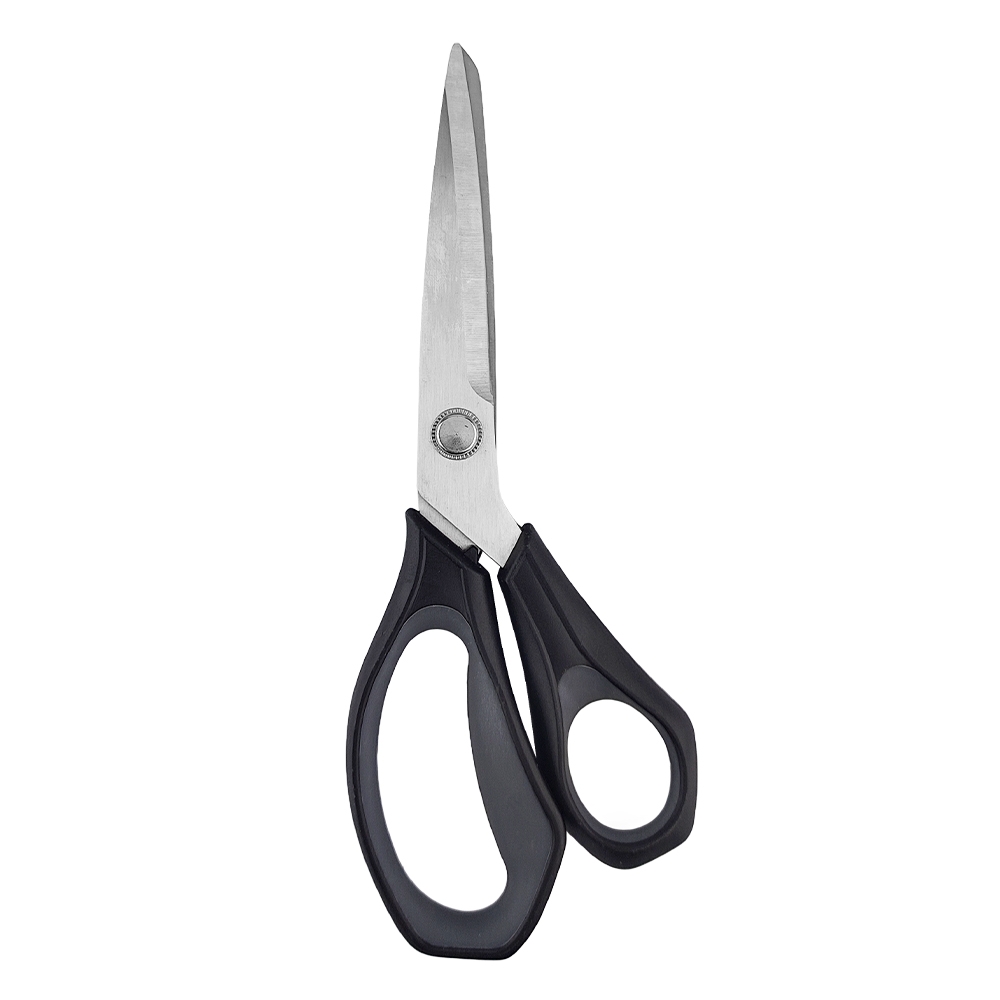
OEM Tailor Scissors: Quality and Precision
OEM tailor scissors are a practical sourcing category for brands, distributors, sewing-supply wholesalers, and garment-related purchasing teams. The buying decision is not only about finding a sharp pair of scissors. It is about selecting a supplier that can deliver consistent cutting performance, acceptable finishing, suitable packaging, and clear communication on customization requirements.
The original article highlights OEM tailor scissors, professional factory production, high quality scissors manufacturers, and Yangjiang tailor scissors. This rewritten guide keeps those core ideas but turns them into a more useful B2B sourcing reference. It does not assume unverified specifications; instead, it explains what buyers should confirm before placing an order.

Key Takeaways
- OEM tailor scissors should be evaluated by cutting consistency, hand comfort, blade alignment, pivot smoothness, and packaging readiness.
- A professional tailor scissors factory should be able to explain materials, finishing options, customization limits, inspection steps, and lead-time expectations.
- Yangjiang is widely associated with cutlery and scissors production, but buyers still need to assess each supplier individually.
- Before wholesale ordering, request samples and written answers on branding, carton packing, inspection criteria, and after-sales handling.
What OEM Tailor Scissors Buyers Usually Need
OEM sourcing means the scissors may need to match a buyer's brand, target market, packaging format, and price position. For tailor scissors, the end users may include professional tailors, sewing studios, craft retailers, garment workshops, or home sewing customers. Each market may require a different balance of blade size, handle comfort, appearance, packaging, and durability.
Because the source article does not list exact dimensions, blade material grades, hardness, or coating details, those details should not be assumed. Instead, buyers should ask the supplier to provide a product sheet or sample confirmation document. Important questions include: What blade material is used? What handle material is available? Are different lengths offered? What surface finishes can be produced? Can the logo be added to the blade, handle, insert card, or outer packaging?
How to Evaluate a Tailor Scissors Factory
A professional tailor scissors factory should be judged by process control rather than marketing language. Buyers should look for evidence that the supplier understands cutting-tool consistency, not just product appearance. Ask how incoming materials are checked, how blade alignment is controlled, how sharpening is handled, and how finished goods are inspected before shipment.
For OEM orders, communication is also part of quality. A useful supplier should confirm artwork files, logo position, packaging dimensions, barcode needs, shipping marks, and carton information before production. If commercial details such as MOQ, production capacity, payment terms, certification, or testing are important, request written confirmation from the supplier instead of relying on assumptions.
Comparison Checklist for OEM Tailor Scissors
| Evaluation Area | What to Check | Questions to Ask the Supplier |
|---|---|---|
| Cutting performance | Clean cutting through sample fabrics without snagging or uneven pressure | What fabrics are used for internal cutting checks? |
| Blade alignment | Tips meet correctly and blades close smoothly from pivot to tip | How is blade alignment inspected before packing? |
| Handle comfort | Grip shape, finger space, surface finish, and comfort during repeated use | Are alternative handle designs or colors available? |
| OEM branding | Logo method, position, color accuracy, and packaging artwork | What file format is required for logo and package printing? |
| Packing and shipment | Unit protection, inner carton layout, export carton strength, and labeling | Can packing details be confirmed before mass production? |
Sample Testing Before a Wholesale Order
Sample approval is one of the most important steps when sourcing wholesale fabric scissors. Buyers should not only inspect the sample visually. Use it in a realistic cutting test that reflects the target user. For example, a sewing retailer may test common cotton fabric, lining fabric, and thicker layered fabric. A garment workshop may test repeated cutting sessions to check comfort and pivot smoothness.
Keep notes on the first sample and compare them with any revised sample. If a supplier changes handle color, blade finish, packaging, or logo placement, request a new photo or pre-production sample. This helps prevent misunderstandings before a larger OEM order enters production.
Why Yangjiang Tailor Scissors Are Often Considered
Yangjiang is known as a production hub connected with knives, scissors, and related cutting tools. For buyers, this can be useful because the region has many suppliers familiar with metal processing, blade finishing, packaging, and export-oriented communication. However, location alone does not guarantee quality. A Yangjiang tailor scissors supplier should still be assessed on sample performance, consistency, documentation, and responsiveness.
When comparing Yangjiang tailor scissors suppliers, request the same product details from each factory so the comparison is fair. Ask for photos, sample availability, customization options, estimated lead time, packing method, and inspection process. If compliance documents are required for your market, ask the supplier what documents they can provide and verify whether those documents match your import or retail requirements.
Customization Points to Confirm
- Blade size, shape, finish, and whether the supplier offers multiple tailor-scissors patterns.
- Handle material, color, grip shape, and comfort for left- or right-hand use if relevant.
- Logo placement on blade, handle, hang tag, insert card, blister card, box, or carton.
- Retail packaging type, barcode position, warning text, and language requirements.
- Pre-production sample approval, inspection standard, defect handling, and shipment documentation.
Quality-Control Points for Repeat Orders
Repeat orders can drift in quality if the approved sample is not clearly documented. Buyers should keep a reference sample, approved artwork, and packing specification. Before production, confirm whether the supplier will follow the same materials, finish, logo method, and packaging as the approved order. If any component changes, request a written explanation and updated sample confirmation.
For larger wholesale programs, consider setting acceptable criteria for appearance defects, cutting performance, blade movement, logo clarity, and packaging damage. Even a simple checklist can help both buyer and supplier reduce disputes. If third-party inspection is needed, confirm inspection timing with the factory before goods are packed or shipped.
Practical FAQ
What makes tailor scissors different from general household scissors?
Tailor scissors are typically selected for fabric cutting, so buyers should focus on blade alignment, cutting smoothness, handle comfort, and durability during repeated use. Exact construction details should be confirmed with the supplier.
Can OEM tailor scissors be customized with a private label?
Many OEM sourcing projects involve private-label branding, but the available options depend on the supplier. Ask where the logo can be placed, what printing or marking methods are available, and whether a pre-production sample can be approved.
What should I check in a tailor scissors sample?
Check cutting performance on target fabrics, blade closing action, tip alignment, handle comfort, surface finish, logo clarity, packaging quality, and whether the sample matches the supplier's written specification.
Should I choose a Yangjiang tailor scissors factory?
Yangjiang is associated with scissors and cutlery production, so it can be a useful sourcing location. Still, buyers should compare suppliers by samples, inspection process, customization support, communication, and documentation rather than location alone.
What commercial details should be confirmed before ordering?
Ask about MOQ, unit packing, carton details, lead time, payment terms, sample cost, production schedule, inspection arrangements, shipping documents, and how quality issues are handled after delivery.
