




OEM Tailor Scissors: A Practical Sourcing Guide for Professional Buyers
For tailors, apparel studios, fabric retailers, craft brands, and wholesale buyers, tailor scissors are not a casual accessory. They are daily-use tools that influence cutting accuracy, operator comfort, and customer satisfaction. When sourcing OEM tailor scissors, the goal is not only to find a sharp pair of shears, but to select a product that can be made consistently, packaged appropriately, and matched to the needs of the end user.

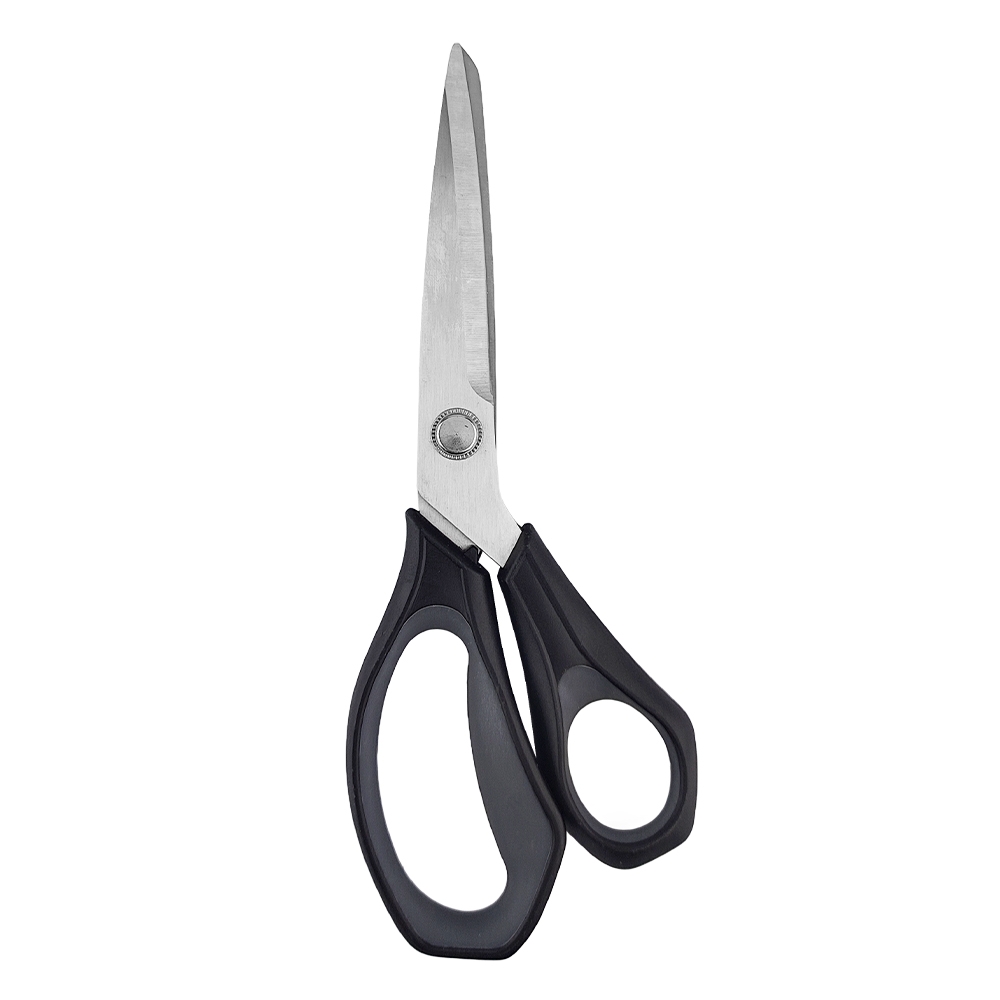
The original product description highlights several useful features: rust-resistant stainless steel blades, a precision-ground edge, contoured anti-slip handles, an all-black matte finish, and an ambidextrous design. Those details are a helpful starting point. For a B2B buyer, however, the next step is to turn product claims into clear evaluation criteria before placing an OEM, wholesale, or private label order.
Key Takeaways
- Assess tailor scissors by blade performance, handle comfort, finish consistency, and repeatable quality.
- Ask suppliers to clarify available customization options rather than assuming logo, color, or packaging choices.
- Test samples on the fabrics your customers actually cut, such as silk, denim, or layered fabric.
- Confirm inspection methods, packaging details, and after-sales procedures before bulk purchasing.
What Professional Users Expect from Tailor Scissors
Professional users often judge scissors within the first few cuts. A clean, controlled cut through fabric matters more than decorative styling. Tailors and designers typically need blades that can start smoothly at the heel, glide through long cuts, and finish neatly at the tip. Crafters and home sewing users may also value comfort, simple maintenance, and a secure grip.
Because the original article notes that these scissors are intended for professional and home use, buyers should define which market they are serving. A premium tailoring shop, an online craft store, and a promotional private label program may all require different packaging, positioning, and quality expectations. A good sourcing brief should describe the target user before requesting a quotation.
Blade Quality: The Core Sourcing Question
The source article states that the scissors use high-grade, rust-resistant stainless steel blades and a precision-ground edge. These are important claims to verify during sampling. Buyers should ask the supplier how blade sharpness is checked, whether each piece is cut-tested, and what materials are used for internal evaluation.
Do not rely only on appearance. A blade can look polished but still drag on delicate fabric or leave uneven edges on thicker materials. The original description mentions cutting performance across delicate silks, thick denim, and robust cardboard. If those materials are relevant to your market, include them in your own sample test. If your customers cut felt, canvas, interlining, leather-like craft materials, or multiple fabric layers, test those separately rather than assuming universal performance.
Handle Comfort and Ergonomic Fit
Long cutting sessions can cause hand strain, especially in tailoring rooms or production environments where the same tool is used repeatedly. The original article describes contoured handles made from a durable, anti-slip material. For buyers, the practical question is whether the handle shape fits the intended user group.
When reviewing samples, ask several people to try the scissors rather than relying on one opinion. Check whether the finger openings feel comfortable, whether the grip stays secure, and whether the handle creates pressure points during repeated cuts. The ambidextrous design mentioned in the original article may be valuable for mixed-user environments, but buyers should still test comfort with both right-handed and left-handed users before using that point in product messaging.
Design, Finish, and Brand Positioning
The original article notes an all-black matte finish. This can support a clean, modern product presentation, but finish consistency matters in wholesale and retail channels. Inspect samples for uneven coating, scratches, visible marks, or color variation between pieces. For online sales, buyers should also consider how the finish appears in product photography and whether fingerprints or scuffs are noticeable after handling.
For OEM projects, design choices should match the final sales channel. A sewing supply brand may prefer practical packaging with care instructions, while a gift-focused craft brand may need more visual presentation. Before assuming customization is available, ask the supplier which options can be offered, such as logo placement, handle color, packaging format, barcode labeling, or instruction inserts.
Comparison Checklist for Evaluating OEM Tailor Scissors
| Evaluation Area | What to Check | Questions to Ask the Supplier |
|---|---|---|
| Blade performance | Clean cutting on target fabrics; smooth action from heel to tip | How is sharpness tested before shipment? |
| Material and corrosion resistance | Rust-resistant stainless steel claim and surface finish | What material information can be provided for buyer review? |
| Handle comfort | Grip security, hand fit, fatigue during repeated cutting | Are alternative handle designs or colors available? |
| Finish consistency | Matte black appearance, scratches, coating uniformity | How are cosmetic defects classified during inspection? |
| OEM readiness | Logo, packaging, labeling, carton requirements | What customization options, lead times, and order conditions apply? |
| Quality control | Sample approval, inspection process, defect handling | What checks are performed before goods leave the factory? |
How to Test Samples Before a Bulk Order
A sample review should be structured and repeatable. Instead of simply opening and closing the scissors a few times, create a small test plan. Record the results, take photos, and compare samples from different suppliers under the same conditions.
- Inspect the scissors visually for finish quality, alignment, and handle condition.
- Open and close the blades several times to assess smoothness and resistance.
- Cut lightweight fabric, medium-weight fabric, and heavier material relevant to your market.
- Test long straight cuts and short detail cuts to evaluate control.
- Ask multiple users to comment on handle comfort and grip security.
- Check packaging protection after shipping to see whether the product arrives in sellable condition.
If the scissors will be sold under your own brand, keep an approved sample as a reference. This helps your purchasing and inspection teams compare later production against the agreed standard.
Supplier Questions for OEM and Wholesale Buyers
Working with a specialized scissors manufacturer or factory can be useful because it may allow clearer communication about tooling, finishing, packaging, and inspection. However, buyers should avoid assumptions. Commercial details such as minimum order quantity, production lead time, available packaging, warranty handling, and documentation should be confirmed directly with the supplier.
Useful questions include: What customization services are available? Can the supplier provide pre-production samples? What are the acceptable defect standards for blade sharpness, appearance, and packaging? How are goods packed for export or domestic distribution? What information can be provided about materials, maintenance, and safe use? Clear answers reduce misunderstandings and make it easier to compare suppliers fairly.
Practical FAQ
What makes OEM tailor scissors different from standard retail scissors?
OEM tailor scissors are sourced for a buyer’s brand, channel, or specification. The difference may involve packaging, logo, finish, handle design, or other agreed details, depending on what the supplier can offer.
Should buyers request samples before ordering?
Yes. Samples are essential for checking cutting performance, handle comfort, finish quality, and packaging protection before committing to a larger order.
Can one pair of tailor scissors suit every fabric?
Not always. The original description mentions use on materials from silk to denim and cardboard, but buyers should still test the specific materials their customers use most often.
What should be included in an OEM inquiry?
Include target market, expected use, desired finish, packaging needs, branding requirements, order quantity expectations, inspection requirements, and any sample testing criteria.
How can buyers avoid overclaiming product features?
Use only verified product details in listings and packaging. If a feature, test result, certification, or material grade is not documented, ask the supplier for confirmation before making the claim.
Final Thoughts
OEM tailor scissors should be evaluated as both a cutting tool and a sourced product. Blade quality, ergonomic comfort, finish consistency, and supplier communication all affect the final buying decision. By testing samples carefully and asking specific manufacturing and customization questions, professional buyers can select tailor scissors that fit their market without relying on vague claims or unnecessary sales language.
