




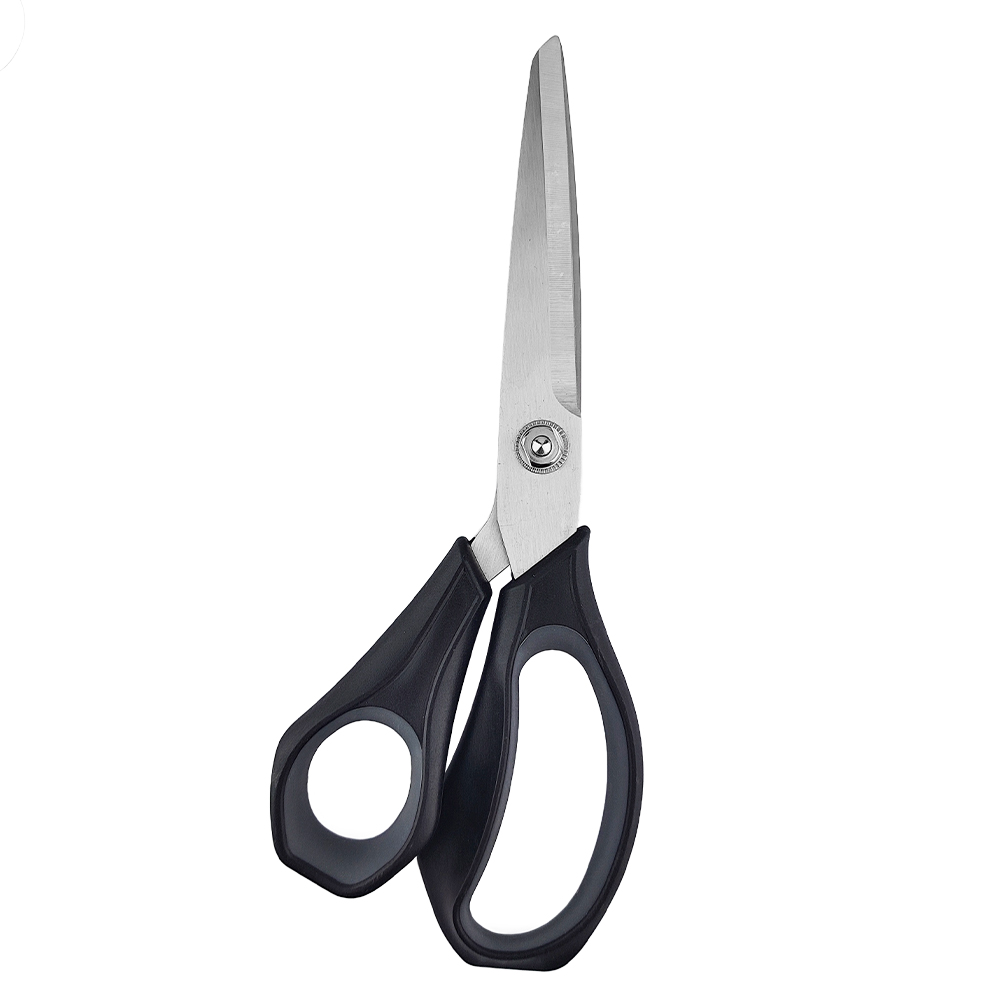
OEM Tailor Scissors: B2B Sourcing Guide for Quality Cutting Tools
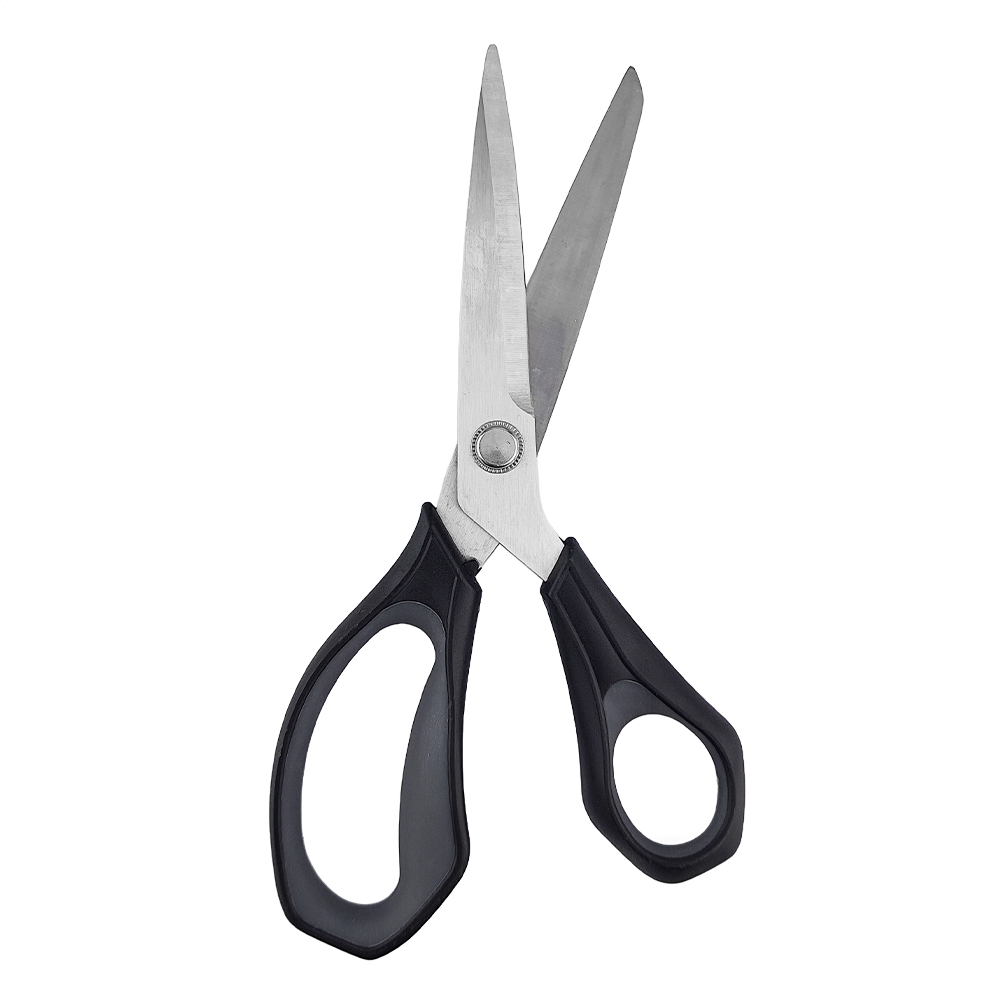
OEM tailor scissors are purchased for practical reasons: buyers need cutting tools that can be branded, packaged, and supplied consistently for sewing, tailoring, craft, retail, and professional textile markets. The original article introduced OEM tailor scissors, professional factory sourcing, high quality manufacturer standards, and Yangjiang as a known production area. This rewritten guide focuses on what importers, distributors, sewing supply brands, and wholesale buyers should check before they commit to a supplier.
Unlike a consumer purchase, B2B sourcing is not only about whether one sample feels sharp on the first day. Buyers should compare manufacturing communication, sample consistency, handle comfort, packaging readiness, after-sales response, and the supplier's ability to explain materials and processes clearly. If a detail is important for your market, ask for written confirmation rather than relying on assumptions.
Key Takeaways
- OEM tailor scissors should be evaluated through samples, documentation, and repeatable quality checks, not marketing claims alone.
- Ask suppliers to confirm blade material, handle material, finish, packaging options, customization scope, MOQ, lead time, and inspection process.
- For wholesale orders, compare how well each factory handles communication, sample revisions, labeling, carton details, and batch consistency.
- Yangjiang is associated with metalworking and cutting tool production, but buyers should still audit each supplier individually.
What OEM Tailor Scissors Mean for Wholesale Buyers
OEM tailor scissors are scissors produced according to a buyer's branding or product requirements. Depending on the supplier's capability, OEM work may include logo marking, handle color selection, retail card design, blister packaging, carton labels, barcode placement, or changes to product dimensions. However, the exact customization range should always be confirmed with the manufacturer.
For a sewing brand, fabric store chain, promotional distributor, or import wholesaler, the goal is to build a repeatable product. A good sourcing process answers three questions: will the scissors cut the intended fabric cleanly, will the delivered batch match the approved sample, and will the packaging fit the sales channel? These questions are more useful than broad claims such as premium, professional, or heavy duty unless they are supported by specifications and inspection standards.
How to Evaluate a Tailor Scissors Factory
When contacting a tailor scissors factory, start with a structured request for information. Ask whether the supplier produces the scissors in-house, outsources any key steps, or works as a trading partner. None of these models is automatically wrong, but transparency helps buyers manage risk.
Request product photos, available sizes, handle options, blade material information, surface finish choices, packaging examples, and sample costs. If the supplier offers stainless steel or another material, ask for the exact material description and whether any supporting material documentation is available. Do not assume a grade, hardness, coating, or compliance status unless the factory can provide it in writing.
Communication quality is also part of factory evaluation. A professional supplier should be able to answer practical questions clearly, confirm what can and cannot be customized, and explain how samples are approved before mass production. If responses are vague at the quotation stage, problems may become larger after deposit payment.
Product Quality Checks Before Ordering
Sample testing should reflect the real use case. Tailor scissors may be used for cotton fabric, denim, canvas, lining, pattern paper, or general craft materials. Send the supplier your target application and test the sample against those materials. Check the first cut, the full blade length, and the tip area. A scissor that cuts well near the pivot but poorly near the tip may cause frustration for tailors and sewing users.
Buyers should also check the pivot tension. If the screw or pivot is too loose, cutting may feel unstable. If it is too tight, hand fatigue increases. Open and close the scissors repeatedly, check for rough movement, and inspect whether the blades meet evenly. Handle comfort matters because tailor scissors are often used for longer sessions than general household scissors.
For wholesale orders, create a simple inspection checklist. Include visual finish, logo placement, blade alignment, opening and closing movement, cutting performance, packaging condition, carton marking, and quantity count. Share this checklist with the supplier before production so expectations are clear.
Comparison Checklist for OEM Tailor Scissors Suppliers
| Evaluation Area | What to Check | Questions to Ask the Supplier |
|---|---|---|
| Product sample | Cutting performance, blade alignment, pivot smoothness, handle comfort | Will mass production match the approved sample? |
| Materials | Blade and handle material descriptions provided by the supplier | Can you confirm the exact material and finish in writing? |
| OEM options | Logo, color, packaging, barcode, carton label, instruction insert | Which customization options affect MOQ or lead time? |
| Quality control | Inspection steps before shipment and acceptable defect criteria | What checks are performed before packing and shipment? |
| Commercial terms | MOQ, sample timing, production timing, payment terms, shipping method | What details must be confirmed before quotation is final? |
OEM Customization Details to Confirm
Customization can make a tailor scissors product more suitable for a brand, but it also adds decisions. Buyers should confirm logo method, logo position, handle color tolerance, packaging artwork format, carton size, and whether pre-production samples are available. If retail packaging is required, ask for dielines or artwork templates early so the design process does not delay production.
For Amazon, retail chains, sewing supply stores, or distributor channels, packaging may be as important as the tool itself. Ask whether the supplier can provide barcode placement, warning text placement if required by your market, and neutral or branded cartons. Do not ask the supplier to guess legal wording for your country. Importers should verify labeling and compliance requirements with local professionals or their own compliance team.
- Define the target user: professional tailor, sewing student, craft buyer, or general household user.
- Choose the size range and handle style based on that user group.
- Request samples and test them on the intended materials.
- Approve packaging artwork only after confirming product dimensions and packing method.
- Set an inspection checklist before mass production begins.
Why Yangjiang Is Relevant but Not Enough
The original article mentioned Yangjiang tailor scissors. Yangjiang is widely associated with metal products and cutting tools, so it is a relevant sourcing region for buyers researching scissors suppliers. However, a production location alone does not guarantee the right product for your order. Two suppliers in the same area may differ in materials, process control, packaging support, communication, and willingness to handle small product details.
Use the region as a starting point, not as the final reason to buy. Compare multiple suppliers, request comparable samples, and use the same test method for each. If you are building a long-term scissors line, ask whether the supplier can keep specifications stable across repeat orders and how changes in material, finish, or packaging will be communicated.
Practical FAQ
What should I ask before ordering OEM tailor scissors?
Ask for available sizes, blade material information, handle material, logo options, packaging choices, MOQ, sample cost, production lead time, inspection method, and shipping carton details. Request written confirmation for any requirement that affects your sales channel.
How can I test tailor scissors samples?
Test the scissors on the fabrics or materials your customers will actually cut. Check the full blade length, the tip, the pivot movement, blade alignment, grip comfort, and whether repeated cutting causes hand fatigue.
Can I customize packaging for wholesale tailor scissors?
Many OEM suppliers can discuss packaging customization, but the options, cost, MOQ, and timing vary. Ask for packaging examples, artwork templates, barcode requirements, and whether a packaging sample can be reviewed before mass production.
Are stainless steel blades always available?
The original article mentioned stainless steel blades, but buyers should not assume the exact material or grade for every product. Ask the supplier to confirm blade material, finish, and any available documentation for the specific model you plan to order.
How do I reduce risk on a first order?
Start with clear specifications, approve samples, confirm packaging artwork, use a written inspection checklist, and avoid changing requirements after production starts. For large or important orders, consider pre-shipment inspection by your team or a qualified third party.
Final Sourcing Advice
OEM tailor scissors can be a strong product category for sewing, craft, and textile supply channels when sourcing is handled carefully. Focus on sample performance, supplier transparency, customization limits, and batch consistency. A reliable product is built through clear questions and repeatable checks, not through broad claims. Before placing a wholesale order, make sure the supplier understands your target market, confirms the details that matter, and can reproduce the approved sample at production scale.
