




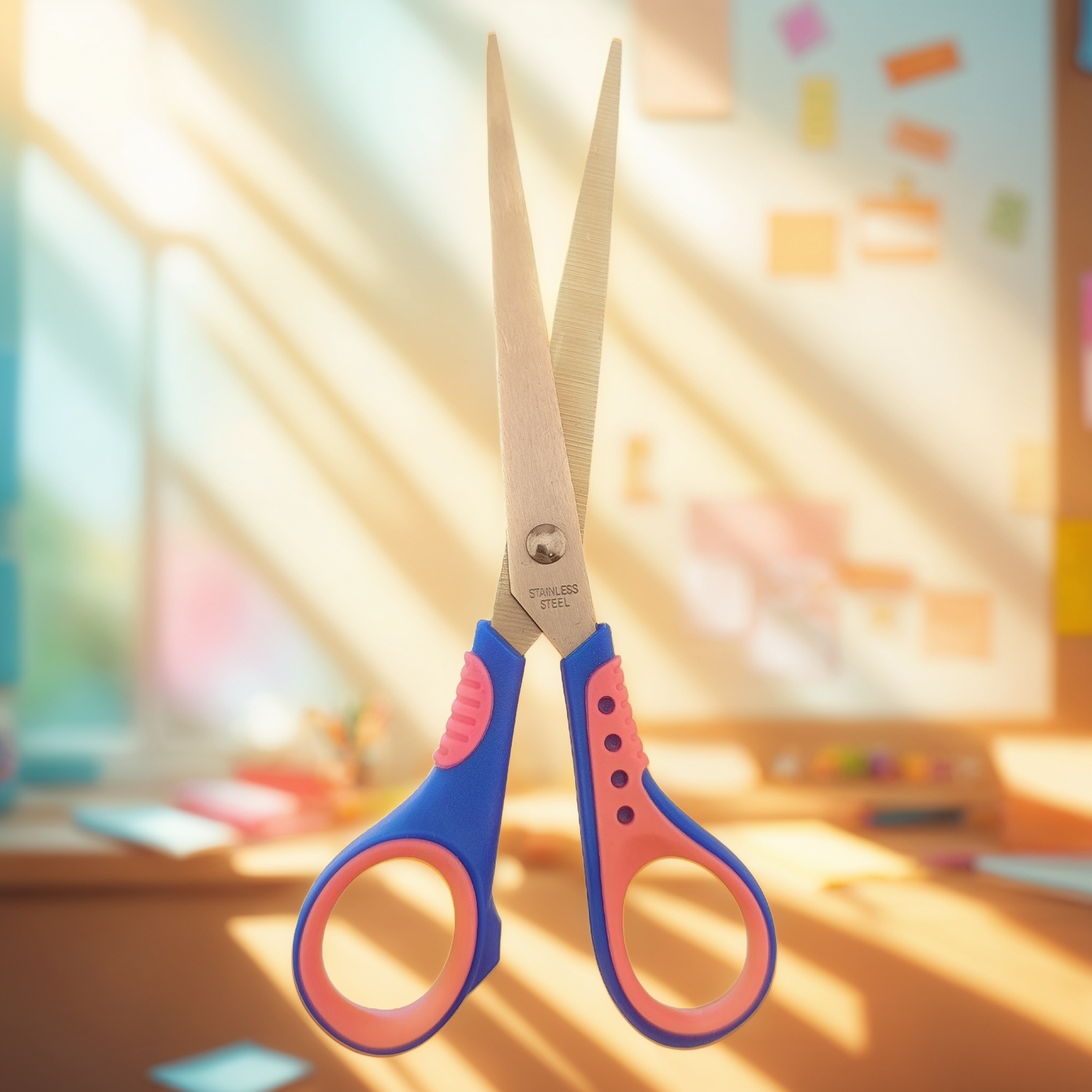
Office Scissors Factory: Precision and Style for Professionals
Choosing an office scissors factory is not only about finding a low unit cost. For wholesalers, stationery brands, procurement teams, and promotional product buyers, the better question is whether a supplier can consistently deliver scissors that match the intended use, user expectations, packaging plan, and brand requirements. Office scissors are simple tools, but small differences in blade finish, handle comfort, alignment, and packaging can affect user satisfaction and repeat orders.
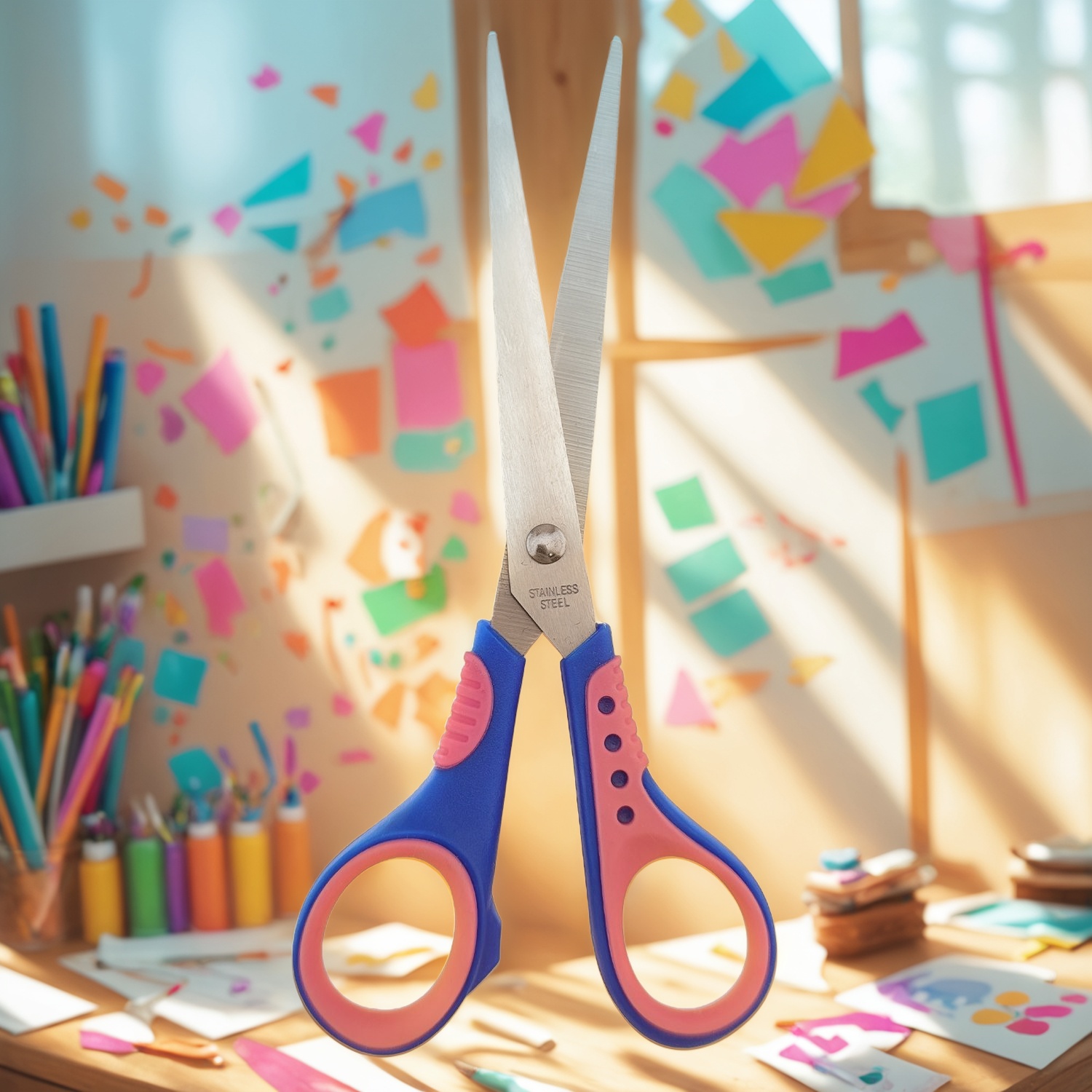
The original article highlights office scissors for everyday tasks, including clean cutting through paper and documents, stainless steel blades, ergonomic handles, and customization options. This rewritten guide expands that topic into practical sourcing guidance: what to compare, what to ask, and how to evaluate a potential office scissors supplier without relying on unsupported claims.
Key Takeaways
- Define the target user first: office staff, school buyers, promotional campaigns, retail stationery, or corporate procurement.
- Ask suppliers to confirm blade material, handle material, finish, packaging, and customization methods in writing.
- Request samples before bulk ordering and test cutting feel, blade alignment, handle comfort, and packaging durability.
- Do not assume certifications, capacity, MOQ, or testing results; ask the factory to provide current documents if needed.
What Makes Scissors Suitable for Office Use?
Scissors for office use are typically expected to cut paper, envelopes, labels, thin cardboard, wrapping material, and general desk supplies. They should feel stable in the hand, open and close smoothly, and produce clean edges without requiring excessive pressure. In an office, scissors may be shared by multiple users, so comfort, durability, and simple maintenance matter more than decorative appearance alone.
The source article explicitly mentions stainless steel blades and ergonomic grips. When sourcing, buyers should still verify the exact blade grade, thickness, hardness range, surface treatment, and handle material with the factory. The term stainless steel can describe many formulations, and not all will perform the same in sharpness retention or corrosion resistance.
Factory Sourcing Checklist for B2B Buyers
A structured checklist helps prevent vague quotations and inconsistent samples. Before comparing prices, prepare a clear purchasing brief that explains the product role, market, expected packaging, branding needs, and any compliance documents required by your sales channel.
| Item to Check | Why It Matters | Questions to Ask the Supplier |
|---|---|---|
| Blade material | Affects sharpness, corrosion resistance, and long-term use. | What stainless steel or blade material is used? Can you provide a material description? |
| Blade alignment | Poor alignment causes tearing, uneven cutting, or loose action. | How do you inspect blade fit and cutting performance before shipment? |
| Handle design | Influences comfort during repeated office tasks. | What handle materials, colors, and shapes are available? |
| Customization | Supports branding, retail differentiation, and promotional use. | Can logos, colors, packaging, or handle designs be customized? |
| Packaging | Protects the product and affects retail presentation. | What standard and custom packaging options can be quoted? |
| Quality documents | May be required by importers, retailers, or distributors. | Which current test reports or compliance documents can you provide? |
Customization Options to Discuss
Office scissors customization can be useful for stationery brands, corporate gifts, school supply programs, and office procurement kits. The original article notes that customization may include handle designs and vibrant colors. In practice, buyers should ask which elements can be customized and what limitations apply.
Common customization topics include:
- Handle color selection or color matching process
- Logo placement on handle, blade, card, or packaging
- Retail card, blister card, paper box, or bulk packaging
- Left-hand or right-hand design availability, if required
- Set combinations, such as multiple sizes in one package
- Barcode, label, and carton mark requirements
Buyers should also ask whether the supplier can provide pre-production samples for approval. If brand color accuracy is important, confirm how the factory controls color consistency between sample and mass production.
How to Evaluate Samples Before Ordering
Samples are more useful when they are tested against realistic office tasks. Instead of only checking appearance, create a simple evaluation process. Use the same paper types, packaging materials, and labels that your end users are likely to cut. Compare multiple samples side by side and record results.
During sample review, check whether the scissors open smoothly, whether the pivot feels too loose or too tight, and whether the blades meet evenly from base to tip. Cut standard copy paper, folded paper, and light card. Inspect the cut edge for tearing or drag. Also hold the scissors for several minutes to judge handle comfort, especially if the design is promoted for repeated office use.
Questions to Ask an Office Scissors Factory
Clear supplier communication reduces misunderstanding and helps quotations become more comparable. Avoid relying on broad statements such as “high quality” or “professional grade” without measurable details. A serious buyer should ask direct questions and request written confirmation.
- What blade and handle materials are used for the quoted model?
- Which sizes, colors, and packaging formats are available as standard options?
- What customization methods are available for logos and packaging?
- What is the sample lead time and what sample costs apply?
- What is the MOQ for standard items and for customized versions?
- How is quality checked during production and before shipment?
- Can the supplier provide current documents required by your destination market or retailer?
- How are cartons packed, labeled, and protected for export or domestic delivery?
Do not assume any factory’s production capacity, certifications, pricing, or delivery time. These details should be confirmed for the exact item, order quantity, and customization plan.
Balancing Cost, Quality, and Brand Position
Office scissors can be positioned as basic desk tools, retail stationery, promotional gifts, or higher-comfort office accessories. Each position requires a different sourcing approach. A basic model may prioritize stable cutting and economical packaging. A branded retail product may require more attention to handle color, display packaging, and consistent finish. A corporate procurement item may need practical packaging and reliable stock planning.
Price comparisons should be based on identical specifications. A lower quotation may reflect a different blade thickness, lighter handle material, simpler packaging, or fewer inspection steps. Ask suppliers to quote the same size, material description, color, logo method, packaging format, carton quantity, and delivery terms so that the comparison is fair.
FAQ
What should buyers look for in an office scissors factory?
Look for clear product information, sample support, consistent communication, customization capability, and transparent answers about materials, packaging, inspection, MOQ, and lead time. Ask for documents when your market or customer requires them.
Are stainless steel blades always the best choice?
The original article mentions stainless steel blades, which are common for office scissors. However, buyers should confirm the exact material description and intended performance because stainless steel types and finishes can vary.
Can office scissors be customized for branding?
Yes, customization may include handle colors, logo placement, and packaging design, depending on the supplier’s available processes. Always request artwork guidelines and a pre-production sample before mass production.
How can I test office scissors samples?
Cut copy paper, folded paper, envelopes, labels, and light card. Check blade alignment, smooth opening, handle comfort, edge cleanliness, and packaging condition. Record results so different samples can be compared objectively.
What details should be included in a purchase inquiry?
Include size, quantity, material expectations, color, logo needs, packaging type, target market, requested documents, delivery terms, and whether you need standard stock or a customized production order.
