




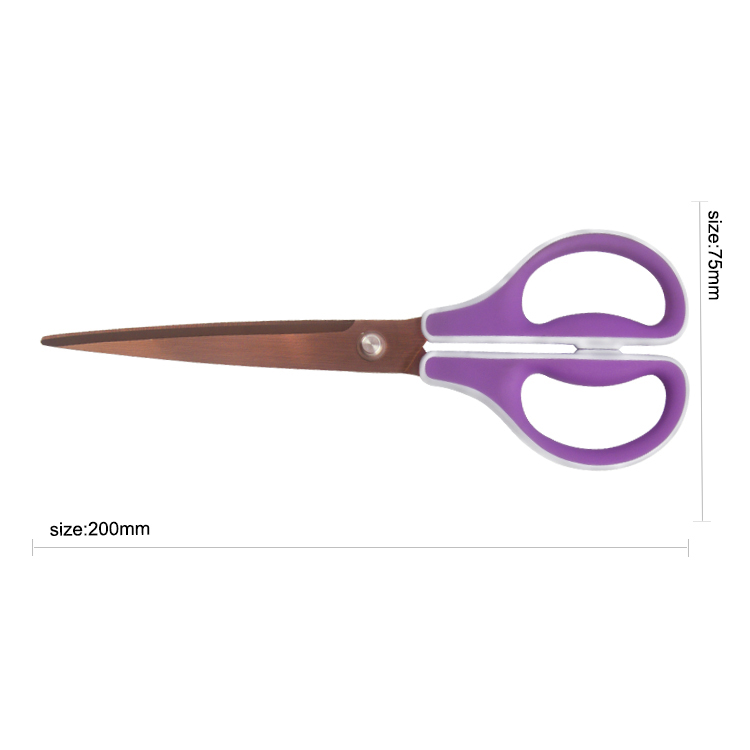
Office Scissors for Crafting: Precision, Comfort, and Smart Sourcing
Office scissors used for crafting need to do more than open envelopes or cut printer paper. In classrooms, studios, sewing rooms, packaging benches, and creative offices, scissors are asked to handle repeated cutting, curved lines, templates, labels, lightweight fabrics, and detail work. The original Bonet Houseware article introduced Copper Blade Scissors with copper-toned blades and a purple ergonomic handle. This guide rewrites that idea into a practical selection and sourcing article for buyers who want an attractive tool but also need reliable performance, clear specifications, and sensible supplier checks.
Key Takeaways
- For craft use, prioritize cutting control, handle comfort, and blade alignment over appearance alone.
- Copper-toned blades and a purple ergonomic handle can help a product stand out, but buyers should confirm the actual blade material and finish with the supplier.
- Wholesale and OEM buyers should request samples, packaging details, inspection criteria, and carton information before placing a larger order.
- Use separate scissors for paper, fabric, and adhesive-backed materials whenever possible to maintain cutting quality.
What Makes Office Scissors Suitable for Crafting?
A crafting scissor should offer clean cutting, easy control, and comfortable handling during repetitive use. Basic office scissors may be acceptable for occasional tasks, but creative work often exposes weaknesses quickly: blades may push fabric instead of cutting it, handles may create pressure points, or tips may be too blunt for detailed trimming.
When evaluating office scissors for crafting, consider the work environment first. A school art room may need durable, easy-to-identify scissors for mixed paper projects. A small design studio may prefer a more refined look for desktop use. A sewing or pattern-making workspace may require sharper tips and smoother action. The best choice depends on what will be cut most often and how frequently the tool will be used.
Understanding the Copper Blade Scissors Concept
The original article described Copper Blade Scissors as having copper-toned blades and a purple ergonomic handle. These are useful visible features: the blade finish gives the scissors a distinctive appearance, while the handle color makes them easy to identify in a shared workspace. However, a copper tone should not be confused with a confirmed copper blade material unless the supplier states that clearly in the product specification.
For sourcing teams, the right question is not only “Does it look good?” but also “What is the blade made from, what finish is applied, and how is sharpness checked?” If tarnish resistance, coating durability, or specific metal composition matters for your market, ask the supplier to confirm those details in writing and provide supporting documentation where appropriate.
Feature Checklist for Craft and Office Buyers
The table below can help procurement teams, retailers, and studio managers compare samples consistently. It avoids relying on vague claims and focuses on observable or confirmable points.
| Selection Point | Why It Matters | What to Check or Ask |
|---|---|---|
| Blade sharpness | Affects clean cuts on paper, templates, and light craft materials. | Test samples on the materials your customers use most. |
| Blade finish | Copper-toned blades can support a distinctive product design. | Ask whether the tone is a coating, plating, or other finish. |
| Handle shape | Comfort matters during long cutting sessions. | Check grip size, finger clearance, and pressure points. |
| Pivot action | Smooth movement supports accuracy and reduces strain. | Open and close multiple samples to compare consistency. |
| Packaging | Retail, e-commerce, and wholesale channels need different packing formats. | Request packaging options, carton size, labeling, and barcode support. |
| Supplier documentation | Clear records reduce misunderstandings in bulk orders. | Confirm specifications, inspection standards, and approved sample status. |
How to Match Scissors to Crafting Tasks
Not every pair of office scissors should be used for every material. For clean results and longer tool life, buyers and end users should match scissors to realistic tasks. Copper-toned craft office scissors may be suitable for paper crafts, stationery cutting, gift wrapping, templates, scrapbooking, and general creative office work. The original article also mentioned fabric, paper, and light plastics; if these materials are important to your assortment, verify performance through sample testing rather than relying only on product descriptions.
- Paper and cardstock: Check whether the blades cut from heel to tip without tearing or bending the sheet.
- Fabric and thread: Test on lightweight fabric swatches and avoid using the same pair heavily on paper if fabric precision is required.
- Adhesive materials: Labels and tape can leave residue; clean blades after use to prevent dragging.
- Light plastics: Cut cautiously and confirm suitability, because harder plastics can damage blades or loosen the pivot.
B2B Sourcing Guidance for Wholesale and OEM Buyers
If your goal is to buy office scissors from China or compare an office scissors supplier for wholesale, treat the sample stage as a quality checkpoint. Appearance is easy to approve from photos, but cutting performance, handle comfort, and packaging strength require hands-on review. Ask for pre-production samples if any custom color, logo, finish, or packaging is involved.
Important supplier questions include: What is the confirmed blade material? What is the handle material? Can the purple handle color be matched to a reference? What packaging formats are available? What are the inspection criteria for blade alignment and sharpness? What is the lead time after sample approval? Are replacement parts, mixed cartons, or private-label packaging available? Do not assume minimum order quantity, certifications, or compliance status; request current information for your destination market.
For OEM projects, create a written specification sheet. Include product dimensions if available, acceptable color tolerance, blade finish description, packaging artwork version, labeling language, and carton drop-test or transport requirements if your business uses them. This helps both buyer and supplier avoid disputes when the order moves from sample to production.
Use and Care Tips for Longer Cutting Performance
Even a well-made pair of crafting scissors can perform poorly if used carelessly. For shared workspaces, label scissors by use: paper, fabric, adhesive, or general office work. Keep blades dry after cleaning and store scissors closed to protect the tips. If adhesive builds up, wipe the blades with a suitable cleaner recommended for the blade finish, then dry thoroughly. Avoid cutting wire, thick plastic, or materials outside the intended use unless the supplier confirms suitability.
Comfort also depends on how the scissors are used. During long craft sessions, take short breaks and avoid forcing the blades through resistant materials. If the scissors twist, grind, or fail to meet at the tip, remove them from production use and compare against an approved sample.
FAQ
Are copper-toned blades the same as copper blades?
Not necessarily. “Copper-toned” describes appearance. Buyers should ask the supplier to confirm the actual blade material and the type of surface finish.
Can office scissors be used for fabric crafts?
Some can handle lightweight fabric, but performance varies. Test samples on your target fabric and consider keeping fabric scissors separate from paper scissors.
What should a wholesale buyer check before ordering?
Review samples for sharpness, handle comfort, blade alignment, finish consistency, packaging quality, labeling, carton details, and written specifications.
Is an ergonomic handle important for crafting?
Yes. Craft projects often involve repeated cuts, so handle shape and comfort can affect accuracy and reduce hand fatigue during longer sessions.
How should craft scissors be maintained?
Store them dry and closed, clean adhesive residue promptly, use them only on suitable materials, and separate scissors by task when possible.
Final Thoughts
Office scissors for crafting should combine practical cutting performance with comfortable handling and a design that fits the workspace. Copper-toned blades and a purple ergonomic handle can create a distinctive product, but smart buyers should verify material, finish, and quality details before committing to bulk orders. With careful sample testing and clear supplier questions, creative teams and wholesale buyers can choose scissors that are attractive, useful, and appropriate for their intended market.
