




Pepper Grinder Manufacturing: Practical Sourcing Guidance for B2B Buyers
Pepper grinder manufacturing is a focused category within houseware production. A good mill has to feel simple in the hand, protect the seasoning inside, and deliver a consistent grind through repeated use. For retailers, distributors, hospitality buyers, and OEM purchasers, the challenge is not only finding an attractive Salt & Pepper Mill set. It is also understanding how construction, components, supplier communication, and quality control affect long-term product performance.
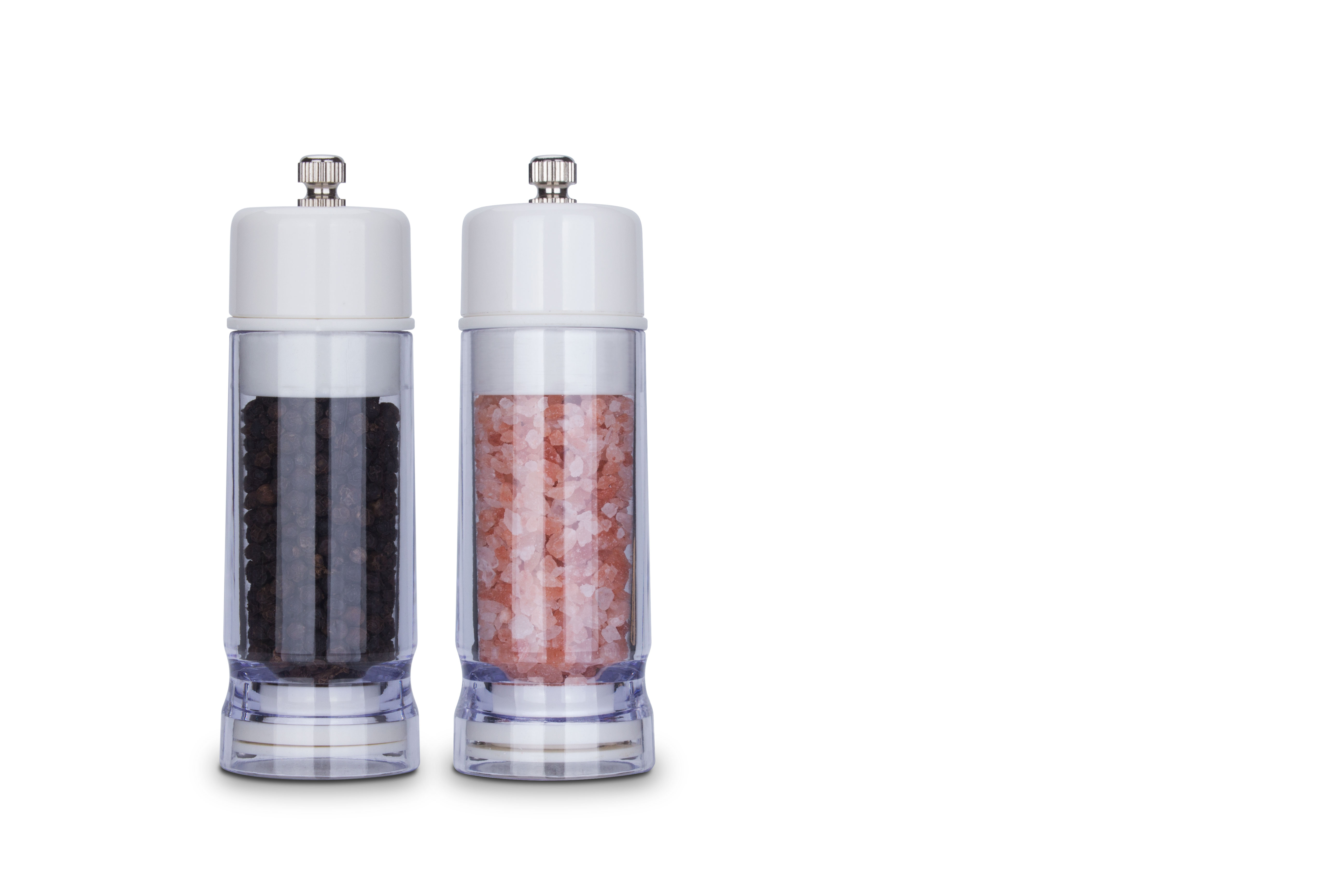
The original article highlighted several useful product elements: adjustable features, ceramic grinders, transparent containers, precision-adjustable nuts, ergonomic handles, and robust covers. Those details matter because they influence how a pepper mill is used in everyday kitchens and how confidently it can be sold in a wholesale or private-label program. This guide rewrites the topic as a practical sourcing reference rather than a general product description.
Key Takeaways
- Evaluate the grinding mechanism, adjustment system, body construction, handle comfort, and cover design before placing a bulk order.
- Ask suppliers for documented specifications instead of assuming material grades, capacity, certifications, or test results.
- For OEM projects, confirm customization scope, sample timing, packaging options, artwork requirements, and inspection standards early.
- Transparent containers can help users see the remaining peppercorns, but buyers should still assess strength, clarity, and ease of cleaning.
What Pepper Grinder Manufacturing Usually Involves
A pepper grinder is assembled from several functional parts. The container holds peppercorns, the grinding mechanism crushes or cuts them, the adjustment nut or setting controls coarseness, and the handle or turning top transfers hand force to the mechanism. Covers and seals may help keep the unit cleaner during storage and transport. In a Salt & Pepper Mill set, visual consistency between the two mills is also important for shelf presentation and end-user acceptance.
Manufacturing decisions often begin with the intended sales channel. A restaurant supply buyer may prioritize durability and easy refilling. A giftware retailer may focus on visual appeal and packaging. A supermarket or online seller may need a balance of price, repeatable quality, and clear consumer instructions. Before discussing cost, buyers should define the target user, expected retail position, and quality level.
Core Components to Compare
The original article mentioned ceramic grinders, transparent bodies, precision-adjustable nuts, ergonomic handles, and robust covers. These are useful comparison points when reviewing samples. A ceramic grinder is commonly valued because it does not rust and can maintain grinding performance, but buyers should still ask the supplier to identify the exact mechanism type and explain its recommended use. Not every ceramic mechanism is identical, and performance depends on design, assembly, and quality control.
Transparent containers allow users to see peppercorn levels and reduce the chance of running out unexpectedly. However, buyers should ask what the container is made from, how it performs under normal handling, and whether it is suitable for the intended market. Ergonomic handles should be tested by different users, not judged only by photos. A handle that looks attractive may still feel awkward during repeated grinding.
Comparison Checklist for Supplier Samples
| Evaluation Area | What to Check | Questions to Ask the Supplier |
|---|---|---|
| Grinding mechanism | Consistency from fine to coarse settings | What mechanism material and design are used? Is replacement or repair possible? |
| Adjustment system | Ease of changing grind size and whether the setting holds | How is the precision-adjustable nut tested during production? |
| Container body | Clarity, fill visibility, wall thickness, and refill access | What material is used for the transparent container? Are food-contact documents available? |
| Handle and cover | Grip comfort, turning effort, fit, and finish | Can the handle shape, cover color, or surface finish be customized? |
| Packaging | Protection during shipping and retail presentation | What packaging options are available, and can drop or transit tests be arranged? |
| Quality control | Visual defects, assembly accuracy, and grinding function | What inspection criteria are used before shipment? |
How to Evaluate a Pepper Mill Supplier
Pepper mill suppliers may provide finished products, components, or OEM/ODM services. A buyer should not rely only on catalog images. Request physical samples, written specifications, packaging details, and a clear quotation that identifies what is included. If the supplier offers several models, compare them under the same test conditions: the same peppercorns, the same number of turns, and the same grind settings.
Useful supplier questions include:
- Which parts are standard, and which can be customized for a private-label order?
- What materials are used for the grinder, container, handle, cover, and adjustment parts?
- What quality checks are performed during assembly and before shipment?
- Can the supplier provide sample lead time, production lead time, and packaging artwork requirements?
- Are there documents relevant to the target market, such as food-contact declarations or compliance reports, if required?
- How are defects, spare parts, or after-sales issues handled?
OEM and Wholesale Sourcing Considerations
For wholesale buyers, the main goal is repeatability. A sample may perform well, but the production order must match the approved sample in materials, appearance, packaging, and function. Buyers should create an approval file that includes photos, dimensions, sample labels, packaging references, and any agreed inspection points. This helps reduce confusion when orders are repeated or when multiple departments are involved.
For OEM projects, define the customization scope before requesting a final price. Custom color, logo printing, gift box design, handle shape, or a new container form may each affect tooling, sampling, order quantity, and timing. Do not assume a supplier can meet a specific MOQ, production capacity, certification, or delivery schedule unless it is confirmed in writing. If commercial details are not published, treat them as negotiation questions.
Quality Control Points Before Shipment
Quality control for pepper grinder manufacturing should include more than a quick appearance check. Buyers can ask for inspection standards that cover assembly tightness, visible scratches, cracks, color consistency, packaging accuracy, and grinding performance. A simple functional test may include filling the mill with peppercorns, testing several grind settings, and checking whether the adjustment nut remains stable during use.
Packaging should also be reviewed. Mills with transparent bodies or protruding handles may need adequate protection to prevent scuffs or breakage in transit. If the product is sold online, packaging strength becomes especially important because individual parcels may face rougher handling than palletized retail shipments.
Product Use and Care Guidance for End Users
Even a well-made pepper grinder performs better when used correctly. Retailers and brand owners should provide concise instructions to reduce returns and complaints. Users should fill the mill with dry peppercorns unless the supplier states otherwise. Wet seasoning, oversized spices, or hard non-pepper ingredients may affect the mechanism. The grind setting should be adjusted gradually rather than forced.
Basic care guidance can include wiping the exterior with a dry or slightly damp cloth, avoiding soaking unless the product is specifically designed for it, and storing the mill away from excessive moisture. If the container is transparent, users should still keep it away from strong heat or direct sunlight for long periods to help preserve seasoning quality.
Practical FAQ
What is the most important part of a pepper grinder?
The grinding mechanism is central because it determines grind consistency and user satisfaction. However, the adjustment system, body, handle, and assembly quality also affect performance.
Are ceramic grinders always better?
Ceramic grinders are often chosen for pepper mills and were mentioned in the original product description. Buyers should still verify the specific mechanism design, durability expectations, and approved use with the supplier.
What should I ask before ordering wholesale pepper grinders?
Ask for material details, sample availability, packaging options, inspection criteria, customization limits, lead times, and any documents required for your target market.
How can I compare two pepper mill samples fairly?
Use the same peppercorns, test the same grind settings, count the same number of turns, and compare output consistency, comfort, noise, and ease of adjustment.
Can a Salt & Pepper Mill set be customized for a brand?
It may be possible, depending on the supplier and model. Confirm logo methods, color options, packaging artwork rules, sample costs, MOQ, and production timing before committing.
Final Thoughts
Pepper grinder manufacturing combines small mechanical details with everyday usability. For B2B buyers, the best sourcing decisions come from structured comparison rather than broad claims. Review samples carefully, document approved specifications, ask suppliers direct questions, and make sure the final product matches the needs of your retail, hospitality, or OEM program.
