




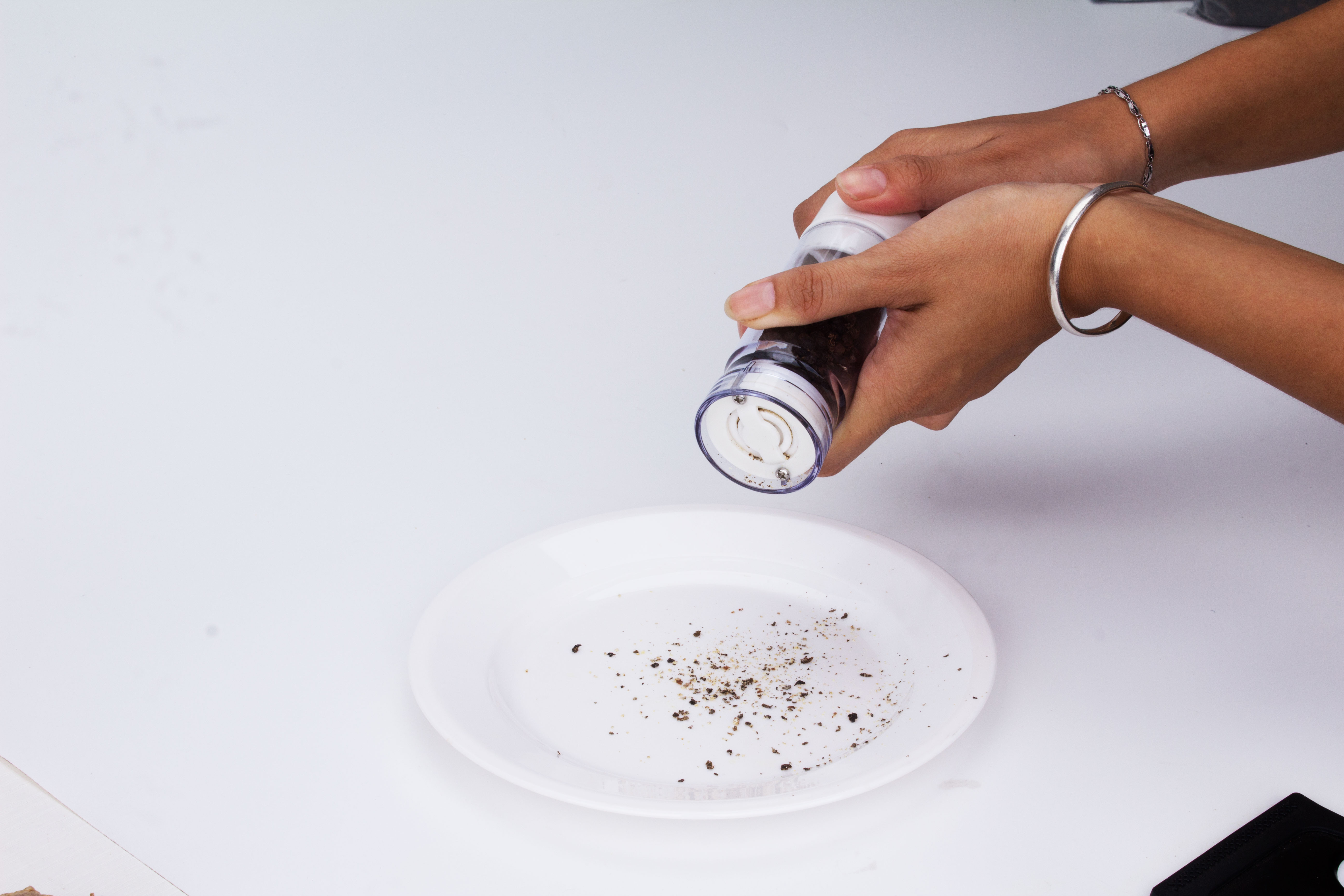
Pepper Grinder Manufacturing: Design, Quality and Sourcing Guide
Pepper grinder manufacturing brings together material selection, component precision, assembly discipline and user-focused design. For retailers, importers, distributors and brand owners, the goal is not simply to find a good-looking mill. A reliable pepper grinder should grind consistently, feel comfortable in the hand, protect contents from spills and support everyday kitchen use over time.
The original Salt & Pepper Mill concept highlights several common priorities in this category: ceramic grinding mechanisms, transparent bodies for visibility, adjustable nuts for grind consistency, ergonomic handling and secure covers. This guide explains how those features fit into production and how B2B buyers can evaluate a pepper mill supplier without relying on unsupported claims.
Key Takeaways
- Ceramic grinding mechanisms are often chosen for corrosion resistance and long service life.
- Transparent bodies help users monitor pepper or salt levels without opening the mill.
- Adjustable components should be checked for repeatable fine-to-coarse grinding.
- Supplier evaluation should cover materials, assembly, inspection, packaging and after-sales communication.
- Ask for evidence before accepting claims about certifications, capacity, testing, MOQ or compliance.
How Pepper Grinders Are Typically Manufactured
Production usually starts with a design brief that defines the intended user, size range, target channel and preferred appearance. From there, manufacturers select body materials, grinding components, lids or covers, adjustment parts and packaging. In the source article, ceramic is noted for the grinding mechanism, while transparent materials are mentioned for the body so users can see the contents easily.
After material selection, the body components are formed, shaped or molded according to the chosen design. Grinding parts are produced separately and must fit accurately into the housing. Assembly then brings together the body, ceramic mechanism, adjustable nut, handle or turning top and any cover designed to reduce spills. Even a visually simple grinder depends on correct alignment; if the mechanism is off-center or loosely fitted, the product may grind unevenly or feel unstable.
Important Components to Review
When sourcing pepper mills, buyers should examine each component instead of judging the product only by appearance. The grinding mechanism is central because it affects output size and user effort. Ceramic mechanisms are widely valued because they resist corrosion and can support consistent grinding, including use in salt and pepper mill sets.
The body also matters. A transparent body provides a practical advantage: the user can see when the mill needs refilling. However, transparency should be checked for clarity, surface finish and resistance to everyday handling. Adjustable nuts or adjustment systems should turn smoothly and hold their setting during use. Ergonomic handles or tops should be comfortable, especially for frequent cooking environments such as restaurants, catering operations or active home kitchens.
Comparison Checklist for B2B Buyers
| Area to Check | Why It Matters | Questions to Ask a Supplier |
|---|---|---|
| Grinding mechanism | Controls grind consistency and user experience | Is the mechanism ceramic? How is grind range checked during inspection? |
| Body material and finish | Affects appearance, visibility and durability | What material is used for the transparent body? Can samples be reviewed before ordering? |
| Adjustment system | Allows fine, medium or coarse grinding | Does the adjustable nut hold its position after repeated use? |
| Assembly quality | Prevents wobbling, poor fit or uneven grinding | What in-line and final assembly checks are performed? |
| Covers and spill control | Helps keep storage and counters cleaner | How securely does the cover fit, and is it tested during packing inspection? |
| Packaging | Reduces transport damage and supports retail presentation | Can packaging be adapted for wholesale, retail or OEM requirements? |
Evaluating Pepper Mill Suppliers
Pepper mill suppliers may provide finished products, private-label options or components for further assembly. A strong supplier should be able to explain its production flow, material choices and inspection process in clear terms. Buyers should avoid vague promises and ask for documents, samples or process details that can be verified.
Useful supplier questions include:
- What materials are used for the grinder body, grinding mechanism, adjustment parts and cover?
- Can the supplier provide pre-production samples for review?
- How are grind consistency, fit, finish and packaging checked?
- What customization options are available for branding, color, packaging or set configuration?
- What are the lead time, MOQ, payment terms and replacement policy?
- Are there any certifications or compliance documents relevant to the destination market?
Do not assume that a product is certified, food-contact compliant or tested for a particular market unless the supplier provides current documentation. Requirements can vary by country, material and intended sales channel.
OEM and Wholesale Sourcing Considerations
For OEM or wholesale orders, consistency is often more important than novelty. A pepper grinder may look acceptable in one sample, but the buyer needs assurance that the same finish, mechanism fit and adjustment feel will be maintained across production. Before confirming a purchase order, request a golden sample or approved reference sample and define what must match it.
Importers and distributors should also clarify carton strength, labeling, barcodes, instruction sheets and spare parts expectations. If the product is sold as a Salt & Pepper Mill duo, check that both mills are clearly identified and that each mechanism is appropriate for its intended seasoning. Salt and pepper may place different demands on the mechanism, so this should be confirmed directly with the supplier.
Quality Control Points in Production
Quality control in pepper mill production should not be limited to final appearance. Practical checks may include verifying that the body is clean and free from obvious defects, the transparent section is clear, the cover fits securely, the adjustment nut turns correctly and the grinding mechanism produces the expected range. Finished items should be checked for loose parts, sharp edges, poor alignment and packaging damage.
For larger orders, buyers can discuss inspection stages such as incoming material checks, in-process assembly checks and final random inspection. If a third-party inspection is required, define the acceptance criteria before production begins. This reduces disagreement later and helps the supplier understand exactly what the buyer considers a defect.
Common Mistakes to Avoid
- Choosing only by style without testing the grind mechanism.
- Accepting claims about material grade, capacity or compliance without evidence.
- Failing to test the adjustable nut through repeated fine-to-coarse changes.
- Ignoring packaging until the end of production.
- Ordering a salt and pepper set without confirming which mechanism is used for each mill.
Practical FAQ
What makes ceramic grinding mechanisms useful in pepper grinders?
Ceramic mechanisms are commonly selected because they resist corrosion and can provide consistent grinding. Buyers should still test samples to confirm the actual grind range and feel.
Why use a transparent pepper mill body?
A transparent body allows users to see the pepper level without opening the grinder. For sourcing, check clarity, finish and whether the body resists scratching during normal handling.
How can buyers compare pepper mill suppliers?
Compare samples, material information, inspection processes, customization options, packaging support and communication quality. Ask direct questions about MOQ, lead time and documentation instead of assuming standard terms.
What should be tested before placing a wholesale order?
Test grind consistency, adjustment stability, cover fit, ease of refilling, body finish, packaging protection and the performance of both mills if sourcing a Salt & Pepper Mill set.
Can pepper grinders be customized for private label?
Many suppliers may offer branding or packaging customization, but options vary. Buyers should ask what can be changed, what extra cost applies, and whether a pre-production sample will be provided for approval.
Conclusion
Pepper grinder manufacturing depends on precise parts, practical materials and controlled assembly. For B2B buyers, the best sourcing decisions come from testing real samples, asking specific supplier questions and documenting quality expectations before production. A well-made pepper mill should not only look appropriate for its market; it should grind reliably, adjust smoothly, feel comfortable and arrive packaged for its intended sales channel.
