




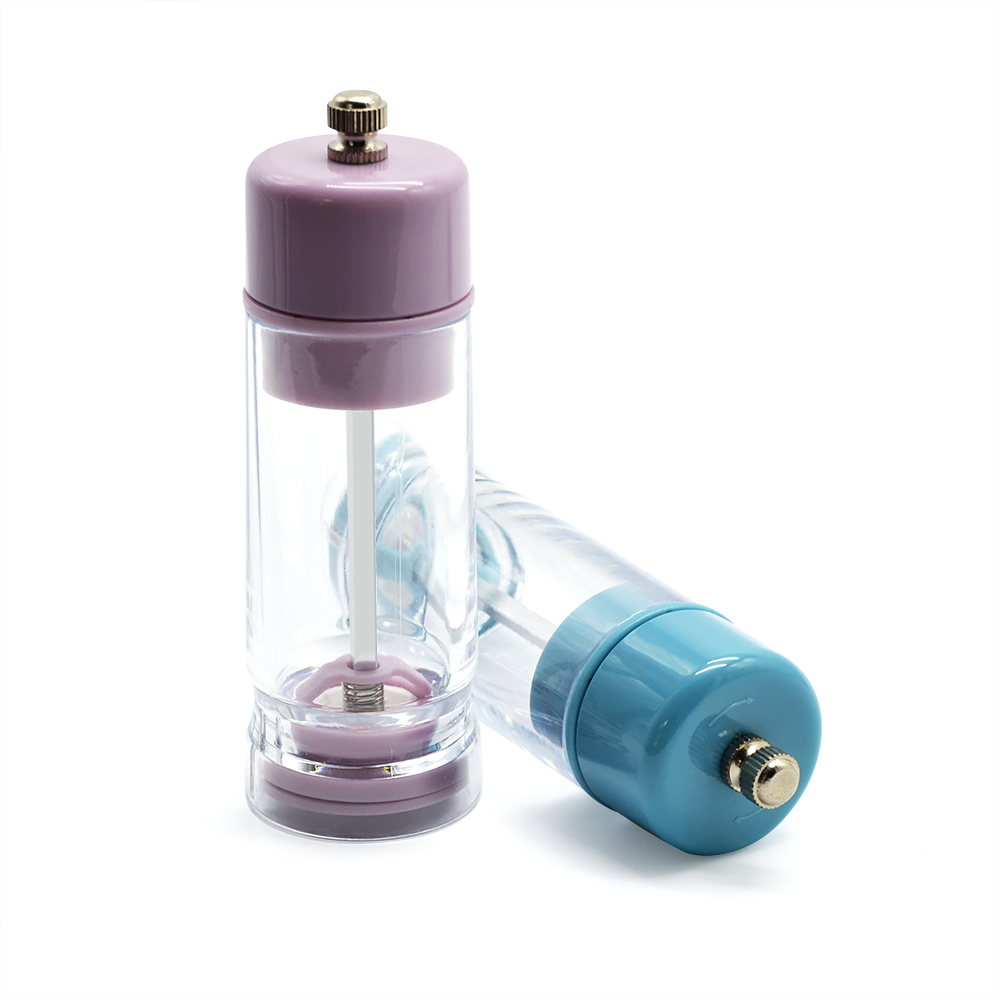
Pepper Grinder Manufacturing: How to Source Quality Spice Containers
Pepper grinders and spice containers look simple from the outside, but for importers, wholesalers, kitchenware brands, and hospitality buyers, they are sourcing projects that require careful evaluation. A good pepper grinder should store spices neatly, dispense seasoning consistently, and withstand repeated daily handling. For a B2B buyer, the goal is not only to find an attractive product, but to understand how the supplier controls materials, molding, assembly, customization, and inspection.
This guide rewrites the key ideas behind pepper shaker and grinder manufacturing into practical sourcing advice. It focuses on what buyers should verify when evaluating a factory or OEM supplier, especially when products involve ceramic grinding parts, transparent acrylic containers, adjustable mechanisms, sealing designs, or custom details such as engraving.
Key Takeaways
- Pepper grinder quality depends on the container, grinding mechanism, sealing design, and assembly consistency.
- Ceramic grinding components and transparent acrylic containers are common options, but buyers should confirm exact material details with the supplier.
- Customization can include size, style, function, engraving, and material choices, but every change should be validated with samples.
- Before bulk orders, ask about quality control steps, packaging tests, replacement parts, and inspection criteria.
Understanding the Pepper Grinder Manufacturing Process
Pepper grinder manufacturing usually combines container production, grinding mechanism preparation, assembly, and final inspection. The container may be shaped through molding or other forming processes, depending on the material and design. If transparent acrylic is used, clarity, surface finish, and resistance to scratches during packing and shipping should be reviewed. If ceramic components are used in the grinder, the buyer should confirm their role, dimensions, and compatibility with the intended spice.
Assembly is just as important as the individual parts. A grinder that looks good but has a poorly fitted top, loose adjustment nut, or inconsistent turning resistance can create complaints after sale. For OEM or wholesale orders, request pre-production samples and compare them with approved reference samples before mass production begins.
Spice Container Materials and What to Confirm
The original product description highlights ceramic and transparent acrylic as materials used in spice container production. These materials can support different product goals. Transparent acrylic allows users to see the remaining spice level, which helps avoid running out during cooking. Ceramic grinding parts are often valued because they can provide consistent grinding and are described in the source as durable and not easy to corrode.
However, buyers should avoid assuming that all products use the same grade, thickness, or structure. Ask the supplier to identify each material used in the body, lid, grinder, adjustment part, and sealing area. If the product will be sold in a regulated market, request documentation appropriate to your market and product category rather than relying on general statements.
Grinding Mechanism and Adjustable Coarseness
A major functional feature in modern pepper grinders is the adjustable grinding mechanism. The source article notes that custom pepper grinders may use an adjustable grinding nut to support different results, from fine powder to coarse particles. For B2B buyers, this feature should be tested with the actual spice the product is designed to grind. Black peppercorns, mixed spices, sea salt, and dried herbs may behave differently.
When reviewing a sample, check how easily the adjustment changes, whether it stays in place during use, and whether the grind is reasonably consistent at each setting. If your brand promises a particular user experience, define the acceptable range in writing. For example, specify how many adjustment positions are expected, how the user should operate them, and whether the mechanism is intended for pepper only or for other spices as well.
Custom Pepper Grinders for OEM and Wholesale Orders
Customization is one reason buyers work directly with pepper grinder manufacturers. Options may include size, style, color, functional design, engraving, and special material requests. Customization can help a product fit a retail line, restaurant tabletop setting, gift program, or private-label kitchenware range.
Still, each custom change can affect cost, tooling, lead time, packing, and defect risk. Before requesting a quotation, prepare a clear specification sheet. Include the target dimensions, container capacity if known, preferred material, grinding mechanism requirement, logo or engraving placement, packaging format, and target market. If you do not have final specifications, ask the supplier which options are already available and which require new development.
Supplier Evaluation Checklist
The following table can help buyers compare pepper grinder suppliers in a structured way before committing to an OEM or wholesale order.
| Evaluation Area | What to Check | Questions to Ask the Supplier |
|---|---|---|
| Materials | Body, lid, grinder, adjustment parts, and sealing components | What materials are used in each part, and can they be changed? |
| Grinding performance | Fine-to-coarse adjustment, consistency, and turning feel | Can samples be tested with our target spice before approval? |
| Container design | Transparency, filling opening, grip, and stability | How is the container molded and inspected for appearance defects? |
| Freshness and sealing | Fit of lid, closure design, and protection from leakage | What sealing structure is used, and how is it checked during QC? |
| Customization | Engraving, colors, sizes, and packaging | Which options are existing, and which require new tooling or sampling? |
| Quality control | Incoming materials, assembly checks, final inspection | What inspection criteria are used before shipment? |
Design Details That Affect Daily Use
Modern pepper grinder design is not only about appearance. The source article mentions ergonomic design, easy refilling, transparent containers, and adjustable grinding. These details affect how end users judge the product after purchase. A grinder should be comfortable to hold, easy to open for refilling, and stable enough for kitchen counters or dining tables.
For consumer-facing retail programs, consider how the product will be used: by home cooks, restaurant staff, or gift buyers. For hospitality and foodservice projects, durability and cleaning convenience may matter more than decorative elements. For retail shelves, the product should communicate its function clearly without overcomplicated packaging claims.
Quality Control Before Bulk Production
Do not rely on a single attractive sample. Before bulk production, ask for a written sample approval process. The supplier should know which sample is the approved standard and which dimensions, colors, materials, and functions must match it. Buyers should also clarify what happens if production units differ from the approved sample.
A practical QC plan may include appearance checks, assembly checks, adjustment checks, filling and closing checks, and packaging checks. If drop testing, transport testing, or market-specific compliance review is required, confirm this with the supplier and arrange appropriate testing through qualified parties. Avoid vague requirements such as “good quality”; replace them with measurable inspection points wherever possible.
Practical FAQ
What should I ask a pepper grinder manufacturer first?
Start with materials, available models, customization options, sample timing, production lead time, packaging choices, and quality inspection steps. If you need OEM branding, ask whether engraving, printing, or custom packaging is available.
Are ceramic grinders better for all spice products?
The source describes ceramic grinders as durable and not easy to corrode, but suitability depends on the spice, structure, and user requirements. Test samples with the actual spice before confirming an order.
Why are transparent acrylic containers popular?
Transparent containers allow users to see how much spice remains. This is useful in home kitchens and foodservice settings because it reduces the chance of running out unexpectedly during cooking.
Can custom pepper grinders include engraving?
Yes, engraving is a common custom option mentioned in the source. Buyers should confirm logo size, placement, method, sample approval, and whether engraving affects lead time or cost.
How can I reduce risk when ordering wholesale pepper grinders?
Use approved samples, written specifications, clear inspection criteria, and packaging requirements. Ask the supplier how defects are handled and whether replacement parts or after-sales support are available.
Final Sourcing Advice
Pepper grinder manufacturing combines product design, material selection, mechanism performance, and consistent assembly. For B2B buyers, the strongest sourcing decisions come from asking detailed questions rather than accepting general claims. Confirm the material structure, test the adjustable grinding function, inspect the sealing and refilling design, and define customization requirements before mass production. A clear specification and sample approval process will help you select a pepper grinder that is practical for end users and manageable for wholesale, OEM, or private-label supply.
